
One wrong microchip number or a carrier that is one inch too tall can end a trip before security even starts. If you want to bring pet on vacation in 2026, the hard part is rarely the journey itself; it is the timing, paperwork, and choices you make before you leave home. This guide gives you a practical plan: decide if your pet should come, pick the safest route, book the right stay, pack the right gear, and budget for the real extras.
Should you bring your pet on vacation at all?
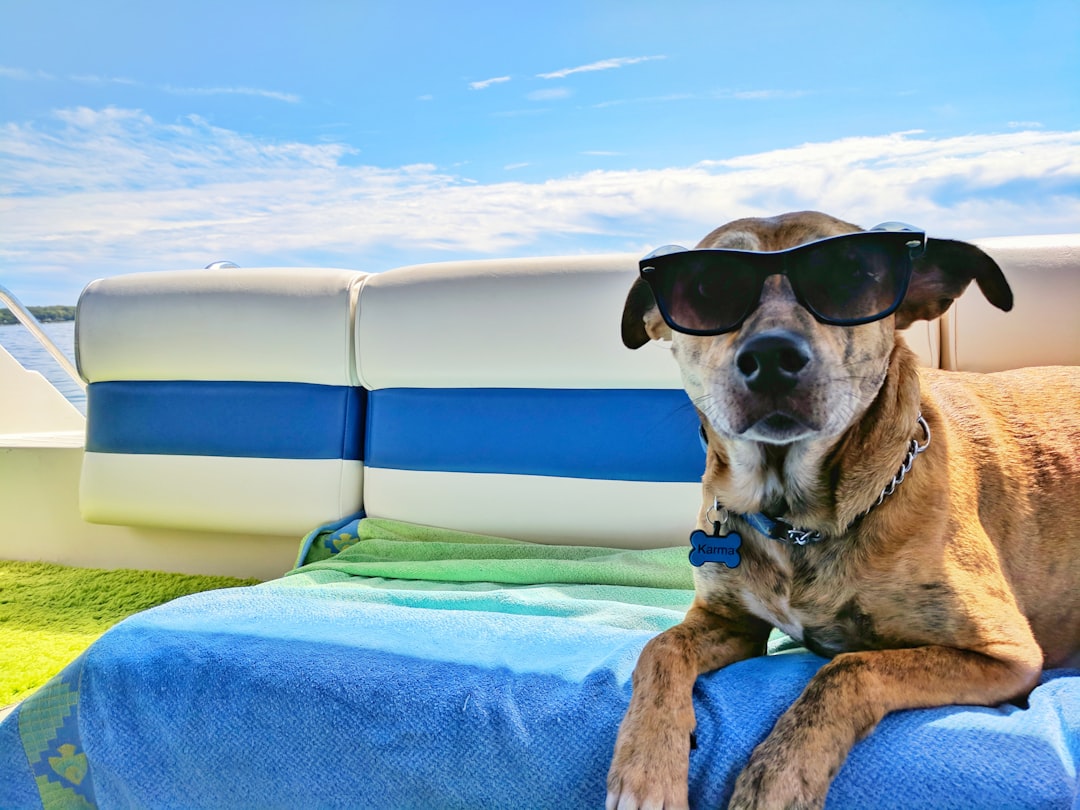
Photo by Josh Rakower on Unsplash
The sweetest pet trips look effortless from the outside: paws on a pine trail, a ferry deck in salty air, a quiet rental where your dog curls up under the table after dinner. In real life, though, some animals love novelty and some endure it. The first decision is not where to go. It is whether your pet will actually cope well once the suitcase closes and the front door clicks behind you.
If you are unsure whether to bring pet on vacation, test the idea before you commit to airports or border checks. Do one overnight stay within 2 to 4 hours of home. Notice appetite, toilet habits, barking, hiding, pacing, and sleep. A pet that skips one meal may still travel well; a pet that cannot settle for 12 hours is telling you something useful.
Use this fast filter before booking anything:
- Bring your pet if they already tolerate a crate or carrier, recover quickly in new places, and stay manageable around strangers.
- Reconsider if they have uncontrolled anxiety, recent illness, motion sickness you have never managed, or a history of slipping harnesses.
- Be extra cautious with very young pets, senior pets, flat-faced breeds, and animals with heart or breathing issues.
- Treat cargo as a last-resort option, not a casual default.
- If this is your first trial, choose a simple two-night break rather than a big holiday; ideas from UK Staycation Destinations 2026: A No-Regret Holiday Plan or UK Bases for Day Trips in 2026: 8 Holidays That Flow are far kinder than a rushed multi-stop route.
A calm pet in a familiar home with a sitter is sometimes having the better holiday. That is not failure. It is good judgement.
Pet travel documents and health timeline
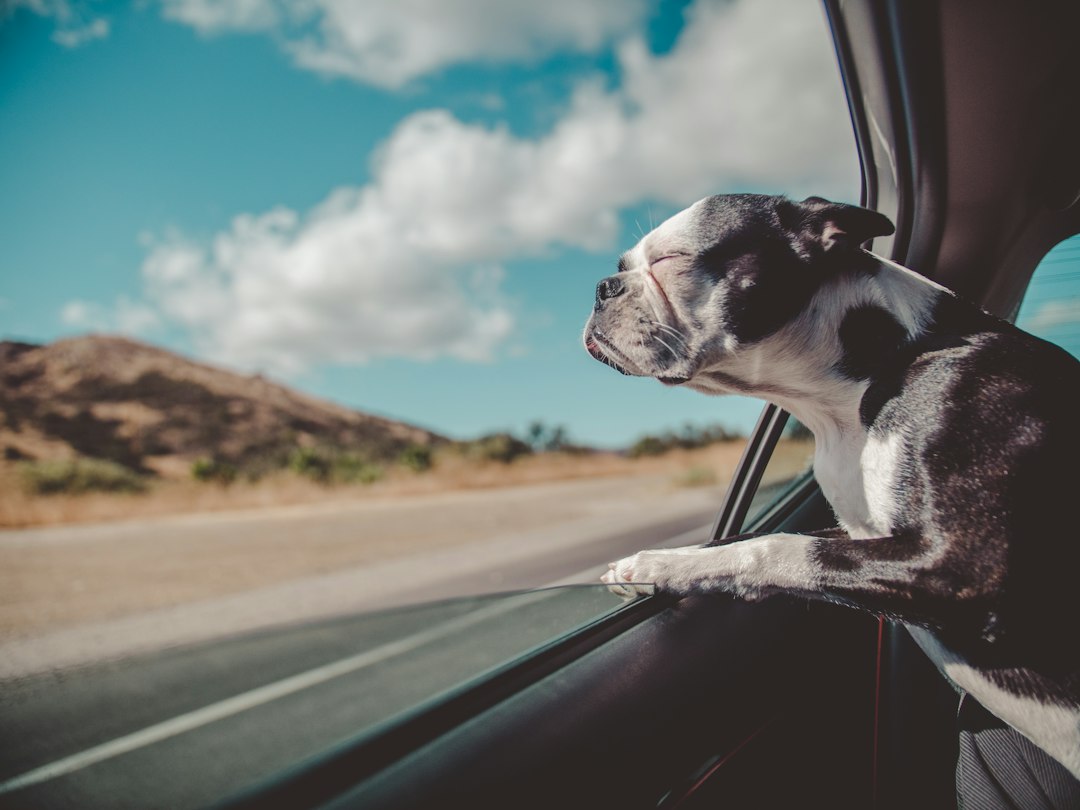
Photo by Avi Richards on Unsplash
The least glamorous part of pet travel is also the part that wrecks the most trips. Border officers and airline staff are not interested in effort; they want exact matches between name, microchip, vaccine date, and entry window. For international pet travel, one vaccine given in the wrong order can reset your whole timeline.
Start with your vet, but ask a sharper question than "is my pet fit to travel?" Ask whether the clinic regularly handles pet travel documents for export or entry. Routine wellness care and travel paperwork are not the same skill set. If you plan to bring pet on vacation across a border, build a calendar, not just a folder.
Core paperwork to prepare:
- ISO-compatible microchip, scanned and verified before booking
- Rabies certificate with the microchip number printed exactly
- Full vaccination record
- Health certificate issued inside the destination's allowed window
- Import permit where required
- Rabies titer test for destinations that require antibody proof
- Recent pet photos in case a tag or crate label is lost
- Printed copies, phone PDFs, and a cloud backup
Useful official rule pages:
- United States: USDA APHIS pet travel
- European Union: Your Europe pet movement rules
- Great Britain: GOV.UK pet travel
A realistic planning timeline looks like this:
| Time before trip | What to do | Why it matters |
|---|---|---|
| 4 to 8 months | Check destination rules, confirm microchip type, review breed restrictions | Some countries require a strict order of steps |
| 2 to 6 months | Update rabies vaccine, arrange titer test if needed, research permits | Waiting periods can be long |
| 3 to 8 weeks | Reserve pet space with airline or rail operator, start full carrier training | Many departures cap pets per trip |
| 10 days or less | Vet health certificate if required | Many certificates expire fast |
| 48 hours | Recheck names, chip number, dates, and route rules | Tiny mismatches cause big delays |
One more rule: service animals and pets often follow entirely different systems. Never assume one set of rules covers the other.
Flying with pets, trains, ferries, or a road trip with dog
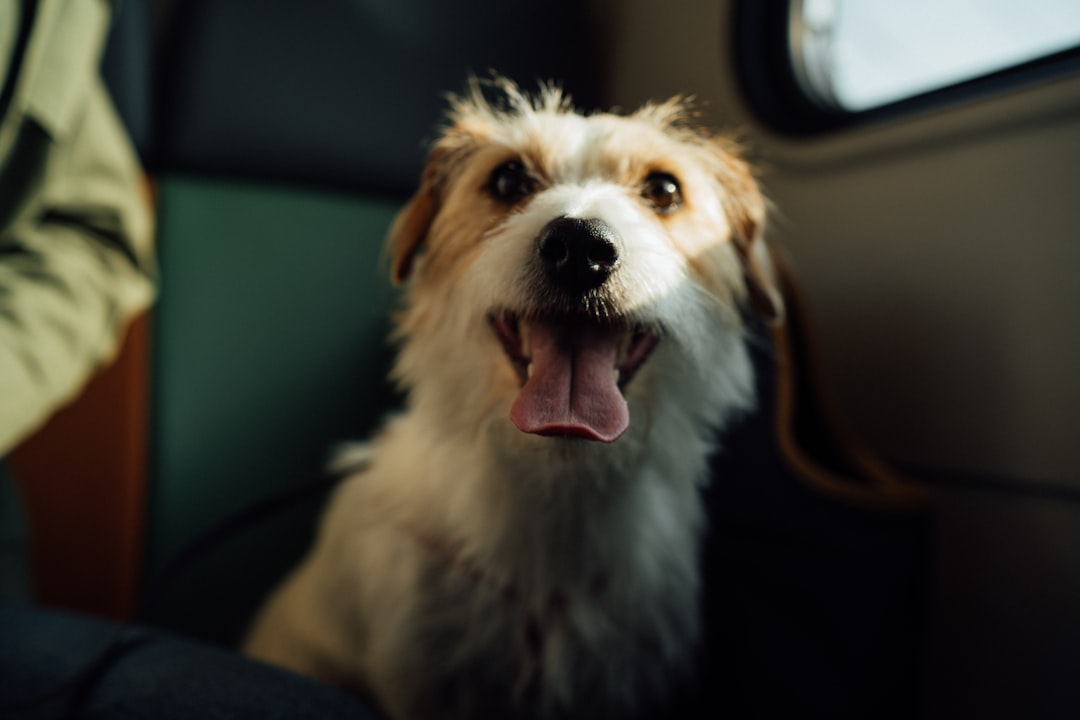
Photo by Egor Gordeev on Unsplash
Transport is where the mood of the whole trip gets set. A good route feels almost boring: steady engine noise, no rushing, predictable temperatures, and enough time to deal with a toilet break or accident without panic. A bad route feels fluorescent and frantic, with queues, heat, and rules that leave no room for a nervous animal.
For most beginners, a road trip with dog companions is the gentlest place to start. You control rest stops, cabin temperature, food timing, and overnight pacing. Cats can also do well by car, but only if the crate training happened long before departure. Air travel is often fine for small pets in cabin and much harder for large dogs forced into hold travel.
Use this comparison when choosing your route:
| Transport type | Best for | Typical extra cost | Watch out for |
|---|---|---|---|
| Car | Most dogs, many adaptable cats | Fuel plus pet fee at stays, often USD 20 to 75 per night | Heat, overfeeding, loose pets in the cabin |
| In-cabin flight | Small calm pets that fit under the seat | Usually USD 75 to 200 one way | Limited pet spots, strict carrier dimensions |
| Cargo or hold | Large pets when no better option exists | Often USD 200 to 600+ depending on route | Temperature embargoes, stress, breed restrictions |
| Train | Urban trips and short routes with small pets | Often free to about USD 40 | Weight limits and route time caps |
| Ferry | Coastal mixed road trips | Usually low, but vehicle fares vary | Boarding waits, wind, exposure, kennel rules |
A few route-specific official pages are worth saving:
Rules of thumb that work in real life:
- For car trips, stop every 2 to 3 hours for water, a toilet break, and a short reset.
- Use a crash-tested harness or a secured crate; never let a pet ride loose or in the front seat.
- For flights, book the pet space the same day you book your own seat.
- Measure the loaded carrier with bedding inside, not the empty carrier.
- Avoid sedation unless your veterinarian gives a clear medical reason.
- If a direct flight means cargo in heat, a mixed route with train, ferry, or an overnight stop may be the safer plan.
The fastest route is not always the kindest one.
Pet friendly hotels: what to check before you book
A listing can say "pets allowed" and still be a terrible fit. I have seen lovely old town properties with polished stairs, no lift, no nearby grass, and a strict rule that pets cannot be left alone for even 10 minutes. That may work for a very calm dog on a countryside weekend. It is misery if you planned museum time or long dinners.
When choosing pet friendly hotels, imagine the first hour after arrival. You are carrying bags, your pet is overstimulated, and you may be hunting for a relief spot in a strange neighborhood at dusk. Quiet ground-floor access, a park within a five-minute walk, and a clear cleaning policy matter more than cute bowl photos.
Ask these questions before paying:
- What is the pet fee per night, and is there an additional deep-clean charge?
- Is there a weight or breed restriction?
- Can pets be left alone in the room, and if so, for how long?
- Are there ground-floor rooms or rooms near an outdoor exit?
- Is there a grassy area, dog run, or safe walking route nearby?
- Are pets allowed in outdoor dining areas or only in rooms?
- What happens if another guest complains about barking?
For longer routes, I like keeping fee notes, vaccination dates, and nearby park pins in one place at TravelDeck so nothing disappears into message threads and screenshots.
Once you arrive, keep the first evening quiet. Skip the ambitious dinner booking. Feed the usual meal, do a short decompression walk, and let the room start to smell familiar.
The pet go-bag: pack for calm, not just emergencies
The best-packed pet bag feels a little boring because it prevents drama before it starts. You want the leash you trust, the bowl that does not tip, the blanket that already smells like home, and enough food that you are not forced into a sudden diet change at a highway service station or island ferry port.
This is also where experienced travelers quietly save money. Buying a spare harness in a resort town or replacing prescription food abroad is always more expensive than packing properly. If you plan to bring pet on vacation more than once this year, build a ready-to-grab kit and leave it half packed.
A practical pet go-bag checklist:
| Item | How much | Why it earns a place |
|---|---|---|
| Usual food | Entire trip plus 2 extra days | Sudden diet changes cause stomach issues |
| Water and collapsible bowls | 1 bottle plus 2 bowls | Easy hydration at stations and check-ins |
| Harness, leash, backup slip lead | 1 each | Gear fails at the worst time |
| Waste bags or litter supplies | Full trip plus extras | Local shops may not stock your preferred type |
| Medications | Full course plus 3 extra days | Delays happen |
| Absorbent pads and small towel | 2 to 4 pads, 1 towel | Essential for flights and rainy arrivals |
| Familiar blanket or bed cover | 1 | Smell is calming in strange rooms |
| Copies of records | Printed and digital | Faster check-ins, easier emergencies |
| Recent photo | 1 printed, 1 on phone | Useful if your pet slips away |
| Cooling mat or warm layer | 1 as season demands | Temperature control is a safety issue |
Do not forget the human-side tools that help pets too: paper towels, sanitizer, zipper bags for dirty items, and a small torch for late-night walks.
Real costs to bring pet on vacation in 2026
Pet travel looks affordable right until the small charges start stacking up: the carrier, the extra cleaning fee, the health certificate, the larger taxi, the emergency crate pad at the airport. If you want to bring pet on vacation without resentfully counting every add-on, price the trip with a pet-specific line from day one.
These ranges are realistic for 2026 planning:
| Trip type | Typical pet extras | Estimated total |
|---|---|---|
| 2-night road trip | Hotel pet fee, fuel for extra stops, snacks, waste supplies | USD 60 to 180 |
| 1-week domestic trip with in-cabin flight | Airline fee, carrier, hotel pet fees, vet certificate if needed | USD 250 to 700 |
| 1-week road trip with dog across several stays | Multiple hotel fees, cleaning charges, gear replacement, parking near parks | USD 180 to 500 |
| International pet trip | Vet paperwork, titer test, crate or carrier, airline costs, permit fees | USD 500 to 1,500+ |
Simple budget rules:
- Add 10 to 15 percent to your base trip budget if the trip is domestic and simple.
- Add a fixed emergency buffer of at least USD 150 for a weekend or USD 300 for a longer trip.
- Assume hotel pet fees will cost more than you expect, not less.
- If the total feels painful, shorten the route before you downgrade the safety setup.
That last point matters. The wrong harness, a poor crate, or a bargain room beside a noisy lift can make a cheap pet trip feel very expensive.
FAQ
Is it safe to sedate a pet for flying?
Usually, routine sedation is not recommended for air travel unless your veterinarian has a specific medical reason. Sedation can affect breathing, balance, and body temperature regulation, which matters even more at altitude and during delays on the ground.
How early should I start international pet travel planning?
Start 4 to 8 months ahead for any trip involving strict border rules. Some destinations require microchipping before rabies vaccination, and some need titer tests plus waiting periods that make last-minute planning impossible.
Are trains easier than planes for pets?
Often yes, especially for short to medium routes with small pets in carriers. Stations are usually less stressful than airports, and you avoid the check-in uncertainty that comes with flying with pets, but every rail operator has its own time, weight, and fare rules.
How do I find truly pet friendly hotels, not just pet-tolerant ones?
Look beyond the word "pet-friendly." Ask about floor level, nearby green space, whether pets can be left alone, and the exact fee structure. A hotel near a park and an exterior exit is usually a better fit than a prettier hotel in a dense city core.
What is the best first trip if my pet has never traveled?
Try one or two nights within a few hours of home, ideally somewhere with easy walks and minimal stairs. A short domestic route teaches you more about appetite, sleep, barking, and car tolerance than any online review ever will.
Travel with pets can be deeply joyful when the trip respects the animal in front of you, not the fantasy in your head. The best pet holidays are rarely the most ambitious ones; they are the ones where the route is kind, the room is easy, the paperwork is clean, and your pet can finally sleep as if nothing unusual happened at all.