Europe's most photographed cities pull in staggering crowds, but some of the continent's most memorable streets go quiet by dinner. That is the real magic of hidden towns in Europe: not just fewer people, but more atmosphere. Stay overnight in the right place and the postcard version falls away. Bakery shutters rattle open at dawn, church bells bounce off stone lanes, fishermen hose down the quay, and the square you shared with day-trippers at 2 p.m. suddenly feels like it belongs to residents again.
This guide is not about skipping Europe's classics out of principle. It is about choosing hidden towns in Europe that reward deeper, slower travel and give you the texture many big-name destinations have started to lose. Instead of treating these places as quick detours, I am focusing on towns where two or three nights make all the difference: cliffside lanes in France, Etruscan stone in Tuscany, a Venetian-style harbor in Slovenia, Ottoman rooftops in Albania, and a citadel in Transylvania that glows after sunset.
If you usually plan around capitals, consider this your permission to change the ratio. Build a wider trip around one major hub, then slip into one of these quiet, character-rich places. They are easier to reach than most travelers assume, often cheaper than the headline cities nearby, and almost always better after the last tour bus leaves.
Why hidden towns in Europe reward slow travelers
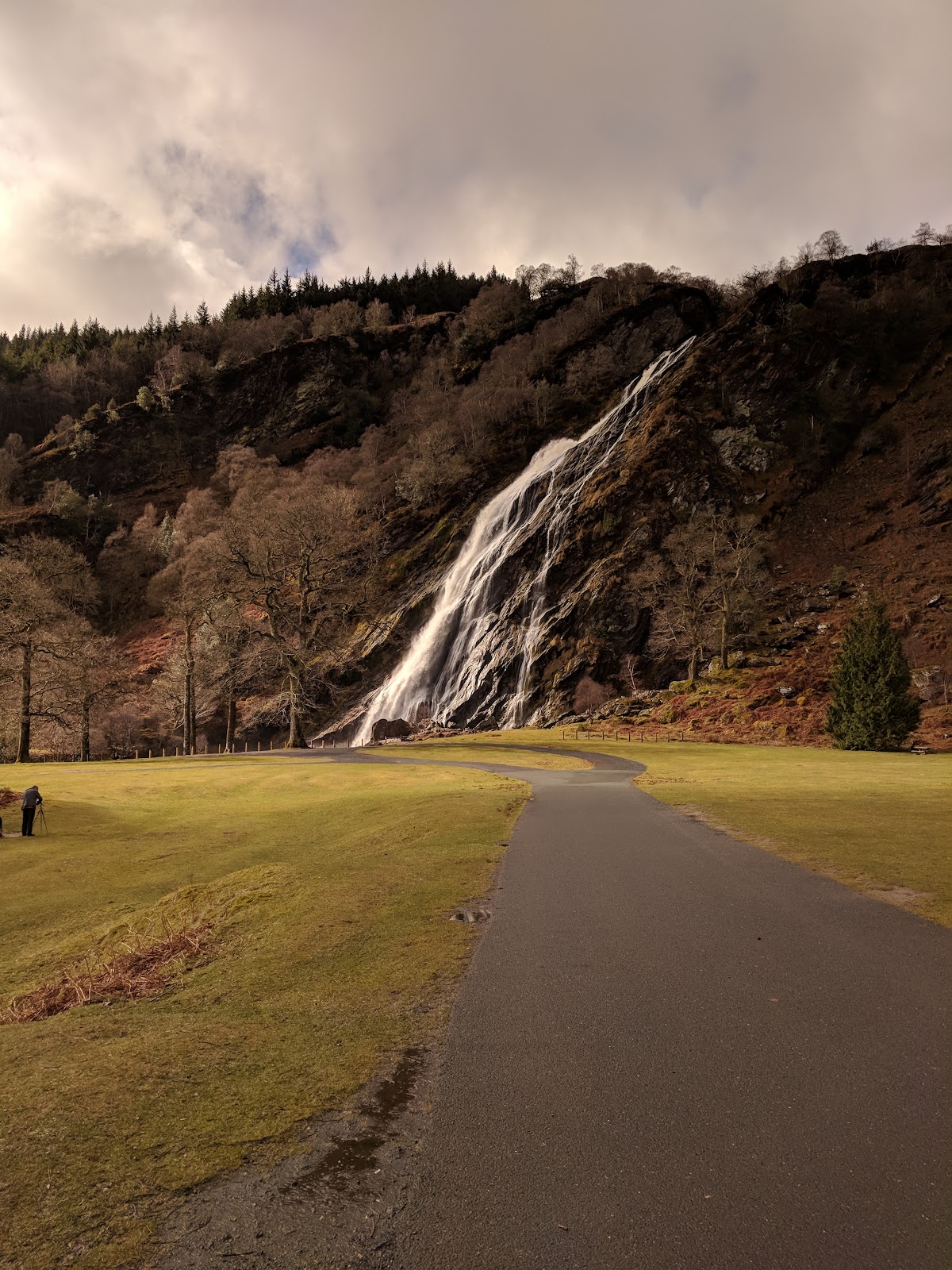
Torsten R
The best hidden towns in Europe are rarely hard to reach. What they lack is aggressive marketing. They sit one train, one ferry, or one bus beyond the obvious stop, and that extra step filters out a huge chunk of traffic. The result is not wilderness. It is balance. You still get beautiful architecture, local food, walkable historic centers, and genuinely memorable hotels, but without spending half your day in lines or paying inflated prices for average experiences.
There is also a different rhythm in smaller places. Mornings start earlier and softer. Cafes fill with regulars instead of rolling suitcases. You notice details you would miss in a bigger city: the smell of warm focaccia drifting up a hill lane in Èze, the chalky sheen of alabaster in Volterra shop windows, the salt and resin smell in Piran when the wind comes off the Adriatic. In Gjirokastër, smoke from grills and wood fires settles into the stone streets by evening. In Sighișoara, the citadel walls take on that blue-gold light that makes even a short walk feel cinematic.
That is why hidden towns in Europe work best when you stop trying to conquer them. Choose one or two per trip, stay long enough to see them before breakfast and after dark, and use the famous city nearby as your arrival point rather than your whole itinerary. Among underrated European destinations, these are the ones that still feel inhabited rather than staged.
Five hidden towns in Europe worth building a trip around
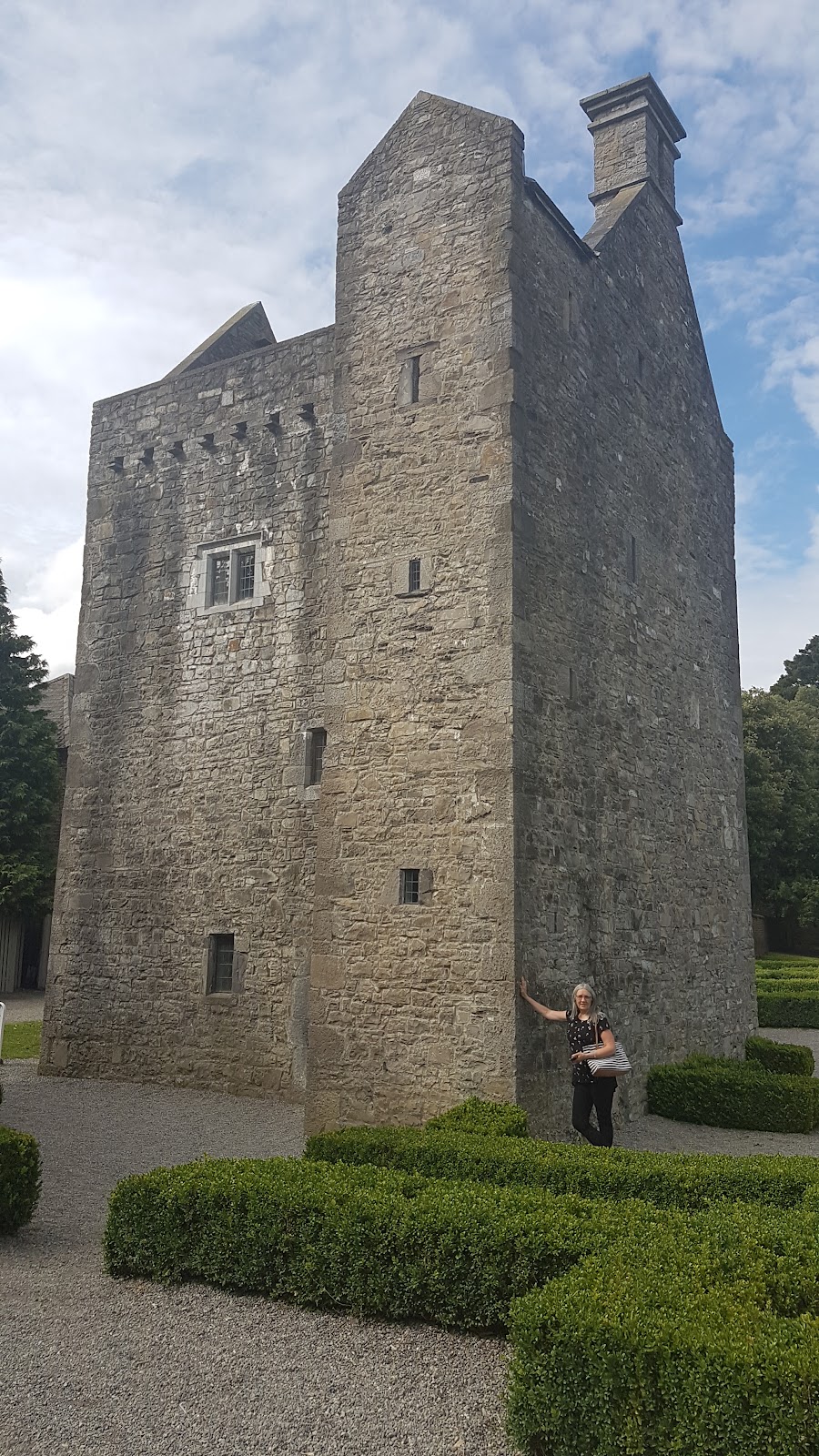
Bran-tastic
Èze, France
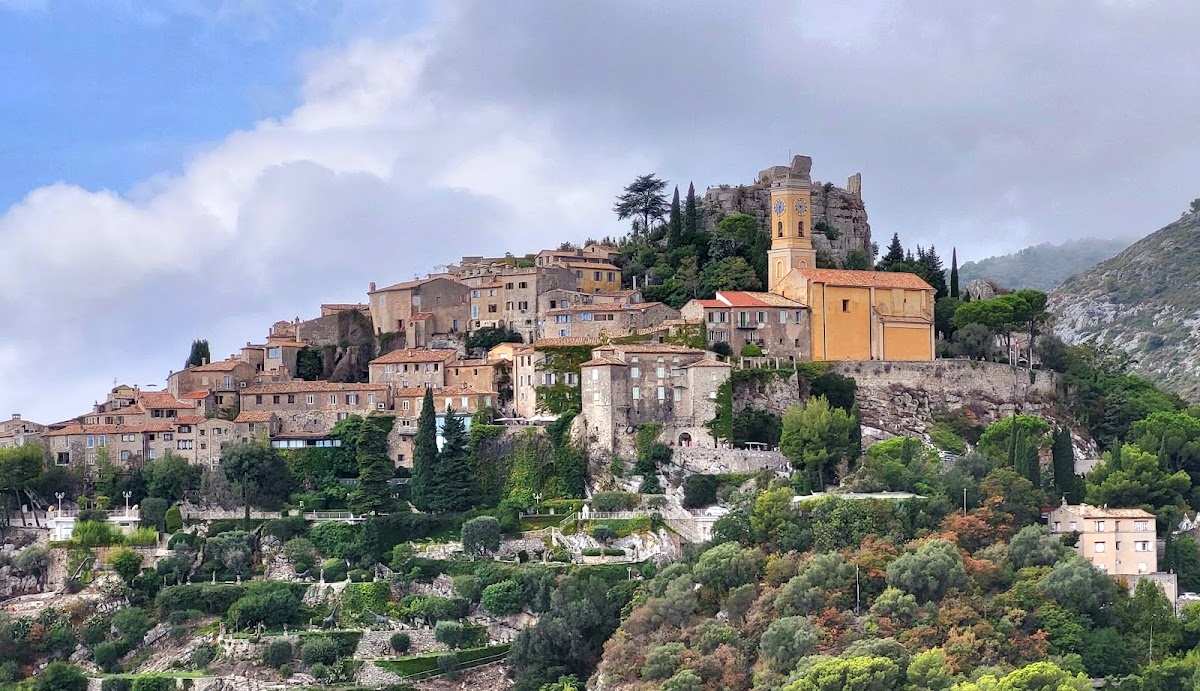
Èze rises above the Côte d'Azur like a stone ship anchored to a cliff. From the coast below, it looks almost unreal, a stack of ochre walls and medieval lanes suspended between sea and sky. Most visitors come up from Nice, take a few photos, browse perfume shops, and leave. That is exactly why staying changes the experience. Early and late, the village regains its hush. Bougainvillea spills over old walls, swifts cut across the light, and the Mediterranean turns silver in the distance.
What makes Èze special is the contrast. It has the visual drama of the French Riviera, but the core experience is vertical and intimate. There are tiny passageways where two people have to turn sideways to pass, hidden staircases, church bells, cactus gardens, and terraces that feel cut straight out of the rock. For travelers searching off the beaten path Europe experiences without giving up comfort, Èze is one of the easiest wins on the map.
The town is also a smart answer to the classic Riviera problem: how to enjoy the coast without sleeping in the thick of Nice, Cannes, or Monaco traffic. Come here for the views, yes, but stay for the rare pleasure of seeing one of the most cinematic quiet European towns before the day-trippers arrive.
Volterra, Italy
Volterra does not seduce like Florence or Siena on first glance. It does something better: it grows on you. The stone is darker, the streets are steeper, and the atmosphere has a weight to it that feels older than postcards. Etruscan gates, Roman ruins, medieval palazzi, prison walls, and artisan workshops layer into one another until the town feels less like a single era and more like a timeline you can walk through.
This is one of those hidden towns in Europe where wandering works as a real activity, not filler between attractions. Turn a corner and you are in Piazza dei Priori with its austere towers; turn another and you are peering into a workshop where alabaster dust coats the shelves. There is an earthy, savory side to Volterra too: wild boar ragù, pecorino, truffle when in season, and red wine that makes long lunches feel almost mandatory.
Among small towns in Europe, Volterra is especially good for travelers who want Tuscany without turning their trip into a queue. It still draws visitors, but the mood is slower and more reflective than the region's marquee names. Stay inside or just outside the walls and the town reveals itself by sound as much as sight: heels on stone, church bells, low conversation from wine bars, and swallows circling the rooftops at dusk.
Piran, Slovenia
Piran is what happens when the Adriatic decides to be elegant rather than flashy. The old town narrows into a tapering peninsula, its campanile and terracotta roofs leaning toward the water. Venetian Gothic facades frame Tartini Square, laundry shifts in the sea breeze, and the harbor light changes almost by the hour. It feels polished, but not polished away. You still see fishing ropes, swimmers climbing ladders back onto stone platforms, and locals taking their evening passeggiata around the tip of town.
The beauty of Piran is that it delivers a full coastal atmosphere in miniature. You can hear the sea from almost anywhere in the old center. There are no giant distances to manage, so the trip never fragments into transit and logistics. Coffee becomes a waterfront ritual. Sunset becomes a communal event. Dinner is rarely far from the sound of cutlery and masts tapping in the harbor. Among Europe alternative destinations for summer, Piran feels both easy and unexpectedly refined.
It also makes a strong case for Slovenia as one of the best-value underrated European destinations. Prices are not rock-bottom, especially in peak summer, but they are often gentler than Italy or the Croatian coast for a similar visual payoff. If you want off the beaten path Europe energy with a strong food scene and excellent swim breaks, Piran is hard to top.
Gjirokastër, Albania
Gjirokastër is all ridgelines and stone. The Ottoman-era roofs look like scales climbing the hillside toward the fortress, and the roads are so steep they seem to test your commitment at every turn. But once you settle into the pace, the city becomes intoxicating. There is a quiet grandeur to its slate roofs, wooden balconies, heavy doors, and mountain air. The old bazaar glows in late afternoon, and from the castle you can look over an entire valley that feels both severe and beautiful.
This is one of the hidden towns in Europe that still feels genuinely under-absorbed by tourism. Albania is no secret anymore, but Gjirokastër remains more atmospheric than polished. You will hear roosters, bargaining, and the scrape of chairs on stone. Men sip coffee for long stretches in the bazaar. Family-run guesthouses serve breakfasts heavy with byrek, jam, olives, and mountain tea. Dinners stretch under vine-covered terraces with grilled meat and local wine.
For travelers interested in history, Gjirokastër gives you layers without museum fatigue: Ottoman domestic architecture, Communist bunkers and tunnels, castle ramparts, and a deep sense of how geography shapes daily life. Among quiet European towns, few feel as visually commanding. It is one of the small towns in Europe that rewards curiosity, good shoes, and a willingness to trade polished convenience for stronger atmosphere.
Sighișoara, Romania
Sighișoara looks almost too tidy to be real from a distance: a compact medieval citadel of pastel houses, defensive towers, and red roofs rising over the Târnava Mare River. Yet once inside, it does not feel theme-park pretty. The slopes are uneven, the lanes bend unexpectedly, and daily life still pushes through the old walls. Schoolchildren climb the covered staircase, waiters reset tables in the square, and church bells pull the whole upper town into sync.
What makes Sighișoara stand out among hidden towns in Europe is how well it handles both short and long attention spans. You can appreciate it immediately as a fairytale skyline, but you can also spend two days moving slowly between towers, courtyards, graveled alleys, and hillside views. After dark, when the day visitors are gone, the citadel becomes something else entirely. The facades soften under amber light, footsteps echo, and the whole place feels closer to a film set than a checklist stop.
Romania has many underrated European destinations, but Sighișoara is especially friendly to first-time visitors who want medieval atmosphere without the pressure or price of Europe's blockbuster old towns. It is one of those hidden towns in Europe where staying overnight is not an upgrade. It is the point.
How to get there
One reason travelers overlook hidden towns in Europe is that they assume complicated logistics. In reality, each of these places is best reached through a major gateway you may already be using. Think of them as smart second stops after a big-city arrival. You land where flights are cheap, recover for a night if needed, then move into a smaller base with more character.
For most routes, public transport works well enough that you do not need a car unless you want countryside detours. That matters in small towns in Europe where parking can be limited, historic centers are pedestrianized, and the most enjoyable hours are spent on foot anyway.
| Town | Nearest airports | Best route from a major hub | Typical time | Typical one-way cost | Ideal stay |
|---|---|---|---|---|---|
| Èze, France | Nice NCE, Monaco heliport for private transfers | Nice to Èze Village by bus, or TER to Èze-sur-Mer plus taxi, bus, or hike | 25 to 45 min | €2 to €6 by public transport | 1 to 2 nights |
| Volterra, Italy | Pisa PSA, Florence FLR | Pisa or Florence to Pontedera or Cecina by train, then bus to Volterra | 2 to 3 hrs | €12 to €20 | 2 to 3 nights |
| Piran, Slovenia | Trieste TRS, Ljubljana LJU, Venice VCE | Ljubljana to Piran by direct bus, or Trieste to Koper then onward bus | 2 hrs 30 min to 3 hrs | €14 to €22 | 2 to 4 nights |
| Gjirokastër, Albania | Tirana TIA, Corfu CFU via ferry to Sarandë | Tirana to Gjirokastër by coach or furgon, or ferry from Corfu to Sarandë then bus | 4 to 5 hrs from Tirana | €15 to €18 | 2 to 3 nights |
| Sighișoara, Romania | Târgu Mureș TGM, Sibiu SBZ, Cluj CLJ | Brașov or Bucharest to Sighișoara by train | 3 hrs from Brașov, 5.5 to 6.5 hrs from Bucharest | €8 to €25 | 2 nights |
Arrival notes by destination
- Èze: From Nice Côte d'Azur Airport, the simplest route is tram or taxi into Nice, then a regional bus to Èze Village. Budget around 60 to 90 minutes door to door from the airport. If you take the TER to Èze-sur-Mer, the coast-to-village climb is dramatic but steep; the Nietzsche Path takes roughly 45 to 60 minutes uphill.
- Volterra: Do not expect a one-seat rail journey. Volterra is a classic train-plus-bus town. From Pisa Centrale or Firenze Santa Maria Novella, take a regional train to Pontedera or Cecina, then connect by bus. If you are road-tripping Tuscany, driving is easier, with Florence about 1 hour 45 minutes away and San Gimignano about 45 minutes.
- Piran: If fares work, Trieste Airport is often the smoothest gateway. Ljubljana is the easiest if you want a direct bus. Note that Piran's old town has restricted vehicle access, so if you drive, you will usually park in a garage outside the core and take the free shuttle into town.
- Gjirokastër: Coaches from Tirana are straightforward and inexpensive, but schedules can change and are sometimes more reliable when confirmed a day ahead. If you are already on Corfu, the ferry to Sarandë plus onward bus makes Gjirokastër an excellent mainland extension.
- Sighișoara: Romania's rail network rewards patience rather than speed, but the scenery is part of the appeal. From Brașov, trains are frequent enough for flexible planning. From Bucharest, consider breaking the journey in Brașov or Sibiu if you prefer a gentler pace.
If you want to make connections cleaner, especially across bus-train-ferry combinations, build the route before booking hotels. That is where hidden towns in Europe become much easier to manage than they first appear.
Things to do
The trick with hidden towns in Europe is to resist over-programming them. Their value is often cumulative: a lookout at dawn, a slow market browse, one museum with real context, an unplanned aperitivo, a swim, a church bell, a stairway you take twice because the light changed. Still, each of these places has enough substance to fill at least two excellent days.
Below are the experiences I would prioritize first, especially for travelers who want off the beaten path Europe ideas with specific, nameable stops rather than vague advice.
Èze, France
The village is compact, so the pleasure is in layering views, gardens, and small discoveries rather than racing through landmarks. Go early or stay late and the town finally sounds like a village again.
- Walk the Jardin Exotique d'Èze at the summit for panoramic views over Cap Ferrat and the Riviera. The cactus and succulent collection is secondary to the outlook, especially in clear morning light.
- Hike at least part of the Nietzsche Path between Èze-sur-Mer and the village. Wear grippy shoes; it is steep, rocky, and beautiful.
- Stop into the Fragonard perfumery for a quick look at regional fragrance history and the practical pleasure of air-conditioned calm on a hot afternoon.
- Visit the Église Notre-Dame de l'Assomption, the ochre church whose neoclassical facade anchors the upper village.
- Have a slow coffee or aperitif on a terrace facing the sea rather than treating the views as a photo stop.
- If you are staying overnight, spend half a day down at Èze-sur-Mer beach for a Riviera swim without needing to change hotels.
Volterra, Italy
Volterra rewards travelers who like history with texture rather than spectacle. The town's sites feel integrated into daily life, and many of the best moments happen between official attractions.
- Start in Piazza dei Priori, the stony civic heart of town, and climb the Palazzo dei Priori for rooftop views.
- Visit the Roman Theatre archaeological area just outside the walls, ideally in late afternoon when the stone color deepens.
- Spend real time in the Guarnacci Etruscan Museum, one of Italy's strongest collections for understanding the region before Rome dominated it.
- Walk through Porta all'Arco, the ancient Etruscan gate that gives Volterra its older-than-old feeling.
- Browse alabaster workshops along the lanes off the center; the better ones still feel like working studios rather than souvenir traps.
- Walk the perimeter near the Medici Fortress and the old walls for wider Tuscan views.
- Time your visit for a market morning if possible, when produce, pecorino, and local chatter bring the center to life.
Piran, Slovenia
Piran works beautifully when you balance architecture, food, and the sea. You can sightsee in the morning, swim in the afternoon, and be back at a harborside table before sunset.
- Linger in Tartini Square, then climb to St. George's Parish Church and its bell tower for the classic red-roof panorama.
- Walk the Walls of Piran for the best elevated view over the peninsula and the Adriatic.
- Follow the waterfront promenade toward Punta and the lighthouse area, where locals sunbathe and jump straight into the sea.
- Swim from stone platforms near the old town or walk to Fiesa for a slightly quieter edge-of-town break.
- Visit the Sergej Mašera Maritime Museum if you want context for the town's maritime past.
- Take a short trip to the Sečovlje Salina Nature Park to see the historic salt pans that shaped this stretch of coast.
- Book one sunset drink with a west-facing view. In Piran, light is an attraction.
Gjirokastër, Albania
Gjirokastër is steep enough that every outing becomes part sightseeing, part leg workout. Embrace that. The town's viewpoints are inseparable from its history.
- Explore Gjirokastër Castle, including its broad ramparts, military exhibits, and the striking U.S. Air Force plane displayed on site.
- Walk the Old Bazaar in the late afternoon when the stone lane glows and cafes start filling.
- Tour Zekate House or Skenduli House to understand the scale and ingenuity of traditional Ottoman homes.
- Visit the Cold War Tunnel if open during your dates; it adds an entirely different layer to the town's story.
- Climb or walk to the Obelisk viewpoint around sunset for one of the best over-the-roofline perspectives.
- Eat qifqi, the local herb-and-rice balls, in the bazaar rather than defaulting to generic grilled meat.
- If you have a car, take a half-day trip to the Blue Eye spring or combine Gjirokastër with Butrint and Sarandë.
Sighișoara, Romania
Sighișoara is compact, but the citadel is full of small features that make the visit richer when you slow down and look upward, not just outward.
- Climb the Clock Tower for a clear read of the citadel's layout and the surrounding valley.
- Walk the Covered Staircase, then continue to the Church on the Hill and cemetery for a more contemplative side of the town.
- Wander Piata Cetății, the main square, early in the day before tables and tour groups fill in.
- Seek out several of the old guild towers from the exterior, including the Tailors' Tower and Ropemakers' Tower.
- Visit the house associated with Vlad Dracul for the inevitable piece of local legend, but treat it as a curiosity rather than the town's whole identity.
- Stay out after sunset. The citadel lanes are quieter, more atmospheric, and far more memorable once the coaches have gone.
- If you want a gentle nature break, walk down to the river and across the lower town for a different perspective on the hilltop core.
Where to stay
Hotels shape these trips more than they do in major cities. In hidden towns in Europe, the best stay is not always the fanciest one. It is the hotel or guesthouse that places you inside the old core, near the harbor, or on the hillside with enough time to enjoy the atmosphere before breakfast and after dinner. Views matter. Stairs matter. Parking matters too.
Book earlier than you think for late spring and early autumn, especially in small towns in Europe where room inventory is limited. A 25-room property can sell out on a single wedding weekend or festival, and the difference between staying in the heart of town and 20 minutes away is often the difference between a magical trip and a merely efficient one.
| Destination | Budget | Mid-range | Luxury or splurge |
|---|---|---|---|
| Èze | Eza Vista in Èze-sur-Mer or lower Èze, roughly €140 to €220, practical for parking and coastal access | Hôtel Les Terrasses d'Èze, about €180 to €320, best for wide sea views and pool time | Château Eza or La Chèvre d'Or, about €380 to €900+, for the full cliffside fantasy |
| Volterra | Chiostro delle Monache, about €85 to €130, quiet and good value | Hotel San Lino, about €120 to €190, central and comfortable inside the walls | Borgo Pignano near Volterra, about €450 to €900, a countryside splurge with serious Tuscan atmosphere |
| Piran | Hostel Piran or simple guesthouses, about €55 to €95 for private basic rooms | Art Hotel Tartini, about €120 to €190, right by the square | Hotel Piran, about €170 to €300, for classic waterfront balconies and direct old-town access |
| Gjirokastër | Stone City Hostel or family guesthouses, about €25 to €45 | Hotel Gjirokastra or Hotel Argjiro, about €55 to €95, both solid old-town bases | Kerculla Resort, about €110 to €220, better for views, parking, and a retreat feel |
| Sighișoara | Burg Hostel, about €35 to €60, simple but perfectly placed | Hotel Sighișoara, about €70 to €120, in the citadel with character | Mercure Sighișoara Binderbubi, about €110 to €180, more polished with easy access and amenities |
Best neighborhood strategy
- Èze: Stay in the village for romance and atmosphere, or in Èze-sur-Mer for easier transit and beach time.
- Volterra: Inside the walls is best if you are arriving without a car; just confirm whether your hotel has restricted driving access or nearby parking instructions.
- Piran: Prioritize the old town or immediate waterfront. If you want easier parking and a beach-hotel feel, consider nearby Portorož.
- Gjirokastër: The bazaar area gives you the best walkable base, but if you have a car or want a pool, a hillside hotel slightly above town can work beautifully.
- Sighișoara: Sleeping inside the citadel is worth it for atmosphere alone, especially if you enjoy early morning walks before breakfast.
Where to eat
Food is one of the strongest reasons to choose underrated European destinations over headline cities. In smaller towns, restaurants often feel less optimized for throughput and more connected to region, season, and regular customers. Menus can be shorter and better. Service can be slower and more human. You are far more likely to remember the smell of grilled fish or rosemary than the number of places you ticked off.
These towns also give you useful variety across one trip: Riviera snacks in France, heavy Tuscan comfort food, Adriatic seafood, Albanian mountain cooking, and Transylvanian classics. If you like to build itineraries around meals, hidden towns in Europe are often where the trip starts feeling personal.
Èze, France
Expect Riviera flavors with an emphasis on olive oil, vegetables, anchovy, citrus, and seafood. Even if you eat somewhere elegant, keep an eye out for simple regional staples.
- Château Eza Restaurant: go for a splurge lunch or dinner with an absurdly good view. Reserve well ahead.
- La Chèvre d'Or: destination dining for a special occasion, more about the full experience than a quick meal.
- Le Nid d'Aigle: a practical, scenic stop for lunch, salads, pasta, or a glass of rosé without luxury-hotel pricing.
- Look for socca, pissaladière, tapenade, and Riviera vegetables if you continue on to Nice or Monaco for day trips.
Volterra, Italy
Volterra is hearty, earthy, and deeply Tuscan. You want robust pasta, cured meats, local cheeses, and wine that matches the stone around you.
- Enoteca Del Duca: a polished but warm choice for Tuscan classics and a strong wine list.
- Osteria La Pace: a good address for pici, ragù, and seasonal dishes in a cozy setting.
- La Vecchia Lira: reliable for local comfort food and a relaxed dinner after a day of walking.
- Order pappardelle al cinghiale, pecorino, crostini, and anything featuring truffle when in season.
- Stop by a pastry shop for almond sweets and espresso mid-morning rather than waiting until lunch.
Piran, Slovenia
In Piran, the move is clear: lean into seafood, olive oil, and Istrian flavors, then leave room for sunset drinks. A meal here should feel saline and slightly decadent.
- Fritolin Pri Cantini: beloved for grilled seafood and casual outdoor energy near the harbor.
- Pavel 2: a good pick for fish, shellfish, and a classic waterfront mood.
- Pirat: slightly outside the tightest core, often worth it for seafood-focused dinners.
- Look for brancin or sea bass, mussels, squid, local olive oil, and Slovenian wines from the coast.
- If you want dessert and a view, order it late and sit near the water instead of rushing back indoors.
Gjirokastër, Albania
Gjirokastër's food is generous and often best in family-run places where recipes feel domestic rather than standardized. Expect herbs, yogurt, grilled meat, peppers, and breads that disappear faster than planned.
- Odaja: atmospheric and traditional, often one of the most memorable dining rooms in town.
- Taverna Kuka: dependable for local dishes and terrace views.
- Kujtimi: a good, casual stop near the bazaar for regional cooking.
- Try qifqi, byrek, grilled lamb, stuffed vegetables, and mountain tea.
- Breakfast in a guesthouse is part of the culinary experience here. Do not skip it.
Sighișoara, Romania
Sighișoara leans rich and comforting, especially when the weather turns cool. The best meals feel slightly old-world in the right way.
- Casa Georgius Krauss: one of the most reliable picks for a more polished dinner inside the citadel.
- Joseph T. Restaurant & Wine Bar: good for a longer evening meal with wine and regional dishes.
- Casa Wagner: handy for a meal or drink right on the square when you want atmosphere with minimal walking.
- Order sarmale, soups, roasted meats, and papanasi for dessert if available.
- Local wine and plum brandy both appear often; pace yourself if you still plan to climb hills afterward.
Practical tips for hidden towns in Europe
The main planning mistake with hidden towns in Europe is treating them like famous-city add-ons. They work better as anchors. Give each town at least two nights if you can, arrive by early afternoon, and leave room for the least measurable hours: the first walk after check-in, the last drink before bed, the quiet hour before breakfast. That is when quiet European towns reveal the difference between scenery and atmosphere.
Packing light matters more here than it does in flatter, larger cities. These are stone-step places, hill places, old-floorboard places. Rolling a giant suitcase through them is possible, but it is not graceful. If you need a refresher, start with Carry-On Packing Checklist 2026: Pack by Friction, Not Days. And when I am testing mixed ferry-bus-train routes between these kinds of stops, I usually sketch them first in TravelDeck before I book anything.
Best months at a glance
| Months | What to expect | Best picks |
|---|---|---|
| March to April | Cool to mild, greener landscapes, fewer crowds, some variable rain | Volterra, Sighișoara, Gjirokastër |
| May to June | One of the best windows overall: warm days, manageable demand, long light | Èze, Volterra, Piran, Gjirokastër |
| July to August | Hottest and busiest, especially on the coast | Piran if you want swim days, Èze only if you book early and expect heat |
| September to early October | The sweet spot for many underrated European destinations: warm seas, softer light, easier hotel rates | Piran, Èze, Volterra, Gjirokastër |
| Late October to November | Cooler, moodier, fewer crowds, some seasonal closures | Volterra, Sighișoara |
| December | Festive possibilities, shorter days, atmospheric evenings in colder regions | Sighișoara, Volterra |
Budget expectations per day
- Èze: €180 to €450 per person for a comfortable trip, depending heavily on hotel choice.
- Volterra: €110 to €260 per person, with excellent value once you step away from luxury countryside estates.
- Piran: €120 to €280 per person in shoulder season; summer can push this higher.
- Gjirokastër: €55 to €150 per person, one of the strongest values among Europe alternative destinations.
- Sighișoara: €60 to €160 per person, especially reasonable outside peak summer weekends.
What to pack and know
- Bring comfortable shoes with grip. Cobblestones, polished stone steps, and steep lanes define nearly all of these towns.
- Pack a light layer for evenings, even on coastal stops. Sea breeze and hilltop wind can surprise you.
- For summer, bring a hat, sunscreen, and refillable water bottle. Shade is not guaranteed in exposed hill towns.
- If you are traveling by rail or bus through several stops, the smartest approach is still one-bag mobility. Sustainable Travel Tips 2026 Without Giving Up the Fun pairs especially well with this kind of trip.
- Currency: France, Italy, Slovenia, and Romania use cards widely, though Romania's local currency is the leu. Albania uses the lek, and cash is still more useful there than many visitors expect.
- Connectivity: eSIM coverage is generally good across the EU. Albania is separate from EU roaming for many plans, so check your carrier before arrival.
- Food confidence: In places where seafood or family-run kitchens are part of the draw, it is worth brushing up on How to Eat Safely Abroad in 2026 Without Missing Local Food.
- Driving: If you rent a car, confirm parking before booking. Historic cores often have restricted access, shuttle systems, or uphill luggage hauls.
Useful planning links
- SNCF Connect: https://www.sncf-connect.com/en-en
- Trenitalia: https://www.trenitalia.com/en.html
- Slovenske železnice: https://potniski.sz.si/en/
- Portorož & Piran Tourist Board: https://www.portoroz.si/en
- Tirana International Airport: https://www.tirana-airport.com/
- Visit Tuscany, Volterra: https://www.visittuscany.com/en/destinations/volterra/
- Côte d'Azur France: https://www.cotedazurfrance.fr/
- Romania Travel: https://romania.travel/
FAQ
Are hidden towns in Europe cheaper than the big cities nearby?
Often, yes, but not automatically. Among hidden towns in Europe, Gjirokastër and Sighișoara are excellent for value, Volterra is reasonable, Piran sits in the middle, and Èze can be expensive because of its Riviera setting and limited room supply. The trick is to compare hotel location, not just headline room rates.
Which of these hidden towns in Europe are easiest without a car?
Piran and Sighișoara are the easiest once you arrive, because their centers are compact and walkable. Èze also works well car-free if you are comfortable with hills and transit. Volterra and Gjirokastër are manageable without a car, but you will appreciate taxis or transfers if you have heavy luggage or want countryside side trips.
How many nights should I stay in these hidden towns in Europe?
Two nights is the sweet spot for most travelers. One night works in Èze if you are fitting it into a Riviera itinerary, but Volterra, Piran, Gjirokastër, and Sighișoara all improve noticeably with at least two nights. Hidden towns in Europe are about atmosphere, and atmosphere takes time.
What are the best hidden towns in Europe for food lovers?
Volterra is strongest for rustic inland cooking, Piran for seafood, and Gjirokastër for regional home-style dishes. If your idea of a great trip is structuring days around lunch and dinner, these three stand out among underrated European destinations.
When should I avoid visiting?
High summer afternoons can be punishing in Èze and Gjirokastër, and August can make Piran feel far less under-the-radar than it looks on paper. Winter is atmospheric in Sighișoara and Volterra, but expect shorter opening hours and occasional closures. Shoulder season remains the smartest time for most hidden towns in Europe.
There is a difference between a place you admire and a place you remember inhabiting. The famous capitals give you scale and spectacle. These quieter stops give you rhythm. You remember the bakery smell on the hill, the harbor after dinner, the blue light on stone, the sound of your footsteps after everyone else has gone back to the main route.
That is why the best hidden towns in Europe are not really substitutes for bigger destinations. They are the places that make the rest of the trip feel sharper, slower, and more human. Choose one well, stay a little longer than your first instinct says, and let the town meet you at its own speed.