A small suitcase can carry far more than most travelers think. The difference is rarely folding technique alone. A smart carry-on packing checklist begins by removing friction: bulky shoes, duplicate layers, heavy fabrics, and all the anxious extras that whisper maybe. Once you stop packing by day count and start packing by repeat use, laundry access, and climate swings, one cabin bag suddenly feels less like a compromise and more like freedom.
That freedom is physical before it is philosophical. You feel it on station stairs when your arm is not being pulled from its socket. You feel it at arrivals when you glide past the baggage carousel and straight into the warm smell of coffee, diesel, sea air, or rain on stone. You feel it when a hotel elevator is tiny, a train rack is full, or a late-night transfer requires a fast walk instead of a slow drag. This is why a strong carry-on packing checklist matters: it is not about minimalism as an aesthetic, but about movement.
I have used the same principles for a damp three-day city break, a two-week summer trip with laundry stops, a work trip that needed polished outfits, and a shoulder-season itinerary with temperature swings from cold mornings to bright, hot afternoons. If you want a bag that closes easily, fits the rules, and still leaves room for the things that make travel feel human, this guide will show you exactly how to do it.
Why your carry-on packing checklist should start with friction points
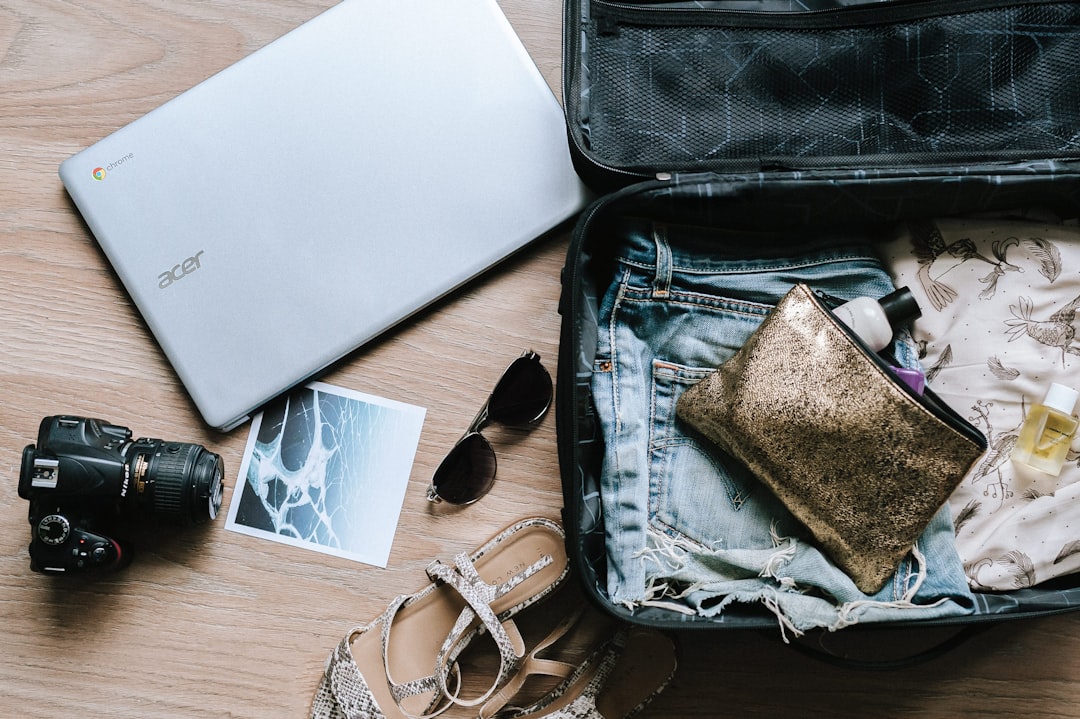
Photo by Anete Lūsiņa on Unsplash
Most people build a packing list as if travel were a neat calendar of outfits. Day one outfit, day two outfit, dinner outfit, backup outfit, airport outfit, and then a little pile of fear labeled just in case. That is how a cabin bag turns into a brick. Real trips do not work like that. They are built around repeated actions: walking, washing, layering, charging, and adapting to weather. A better carry-on packing checklist starts with the moments that create stress.
Think about the sensory reality of travel. Shoes come back dusty from old lanes and sticky from train platforms. A sweater feels perfect in a cold airport but unbearable when the sun comes out over a waterfront promenade. Toiletries leak. A black pair of trousers can handle dinner, flights, museums, and unexpected rain if the fabric is right. A second pair of jeans, on the other hand, sits at the bottom of the bag like a stubborn stone. The best packers are not more disciplined than everyone else; they are better at identifying what truly creates comfort.
When I plan one bag travel, I ask five questions before I choose a single shirt. They sound simple, but they solve most overpacking before it starts.
- What is the heaviest item I can wear in transit instead of packing?
- Where can I do travel laundry, and how quickly will things dry?
- Which shoes will actually touch the ground every day?
- What can my personal item carry so my main bag stays uncluttered?
- Which item is packed for fantasy rather than reality?
If you answer those honestly, your carry-on packing checklist gets lean fast. For deeper wardrobe planning, Carry-On Packing Tips 2026: The Trip-by-Trip Capsule System is a useful companion read, especially if you tend to overpack for style rather than function.
Choose the right bag for carry-on only travel
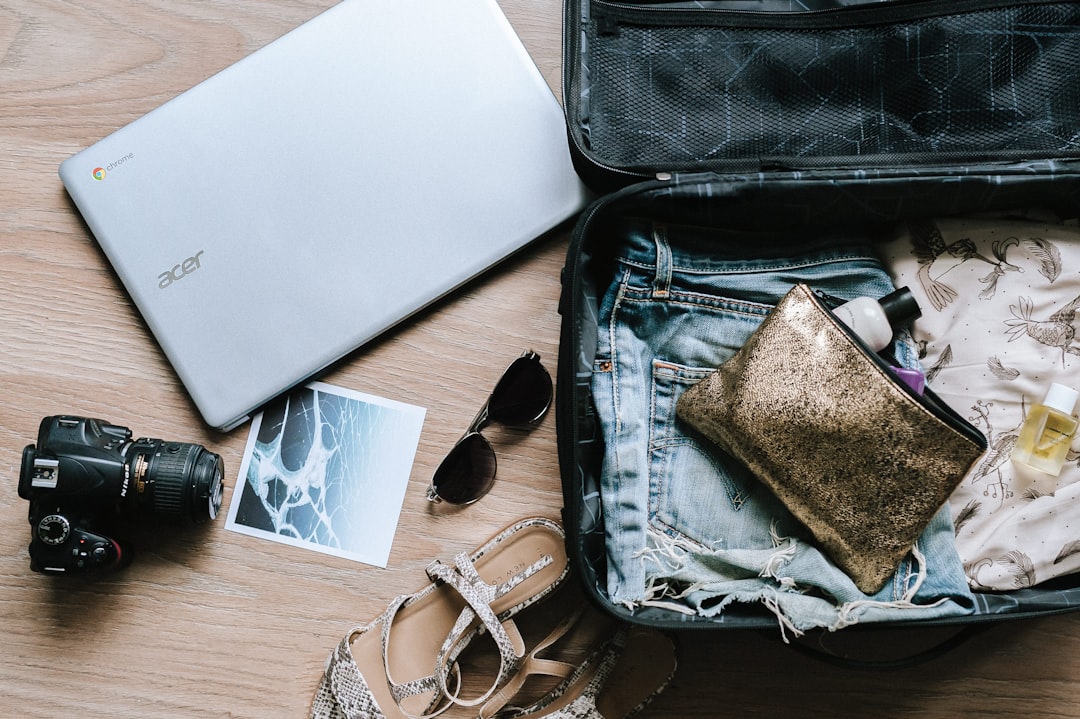
Photo by Anete Lūsiņa on Unsplash
A good cabin bag should feel like a quiet tool, not a personality test. In travel stores, bags are sold with adventure language and technical promises, but what matters in real life is shape, access, and weight. A beautiful 45-liter bag that is heavy before you even zip it is often worse than a lighter, simpler 35-liter bag that opens fully and holds its structure. Carry-on only travel rewards restraint even before you start packing.
The physical shape of the bag matters as much as its listed capacity. A rectangular shell uses space better than a rounded bag with dramatic curves. Clamshell openings make hotel-bed packing easy and help you see everything at once instead of excavating from the top like an archaeologist. External pockets are useful, but too many create lumps and wasted edges. If you are constantly flying budget routes, a bag that slides under the seat or sits comfortably within tighter European limits can save more money than any fancy compression system.
Your personal item also deserves more attention than it usually gets. In one bag travel, the personal item is not an afterthought; it is your in-transit control panel. It should hold the items you need at security, on the plane, and during delays, leaving the main bag dense, stable, and untouched until you arrive.
| Trip style | Best main bag | Ideal size | Why it works | Best personal item |
|---|---|---|---|---|
| Weekend city break | Soft-sided backpack | 28-35L | Easier on stairs, trains, old streets | Slim tote or 16L daypack |
| 5-7 day mixed trip | Carry-on backpack or light roller | 35-40L | Best balance of space and mobility | Laptop backpack |
| Business travel | Structured roller | 35-40L | Keeps shirts and trousers neater | Briefcase-style backpack |
| Beach and summer travel | Lightweight backpack | 30-38L | Clothes are lighter, bag stays flexible | Foldable tote |
| Cold-weather trip | Hybrid roller/backpack | 38-45L | Heavy fabrics need structure | Compact backpack |
A few bag features earn their weight every time:
- Empty bag weight under 3 kg for rollers and ideally under 1.8 kg for backpacks
- Clamshell opening
- Lockable zippers
- A laptop sleeve only if you truly carry a laptop
- Compression straps that flatten, not just decorate
- A water bottle pocket that does not steal interior volume
For current security and luggage restrictions, keep these official pages bookmarked: TSA liquids rule, UK hand luggage restrictions, and IATA dangerous goods guidance.
Build a universal carry-on packing checklist before you customize it
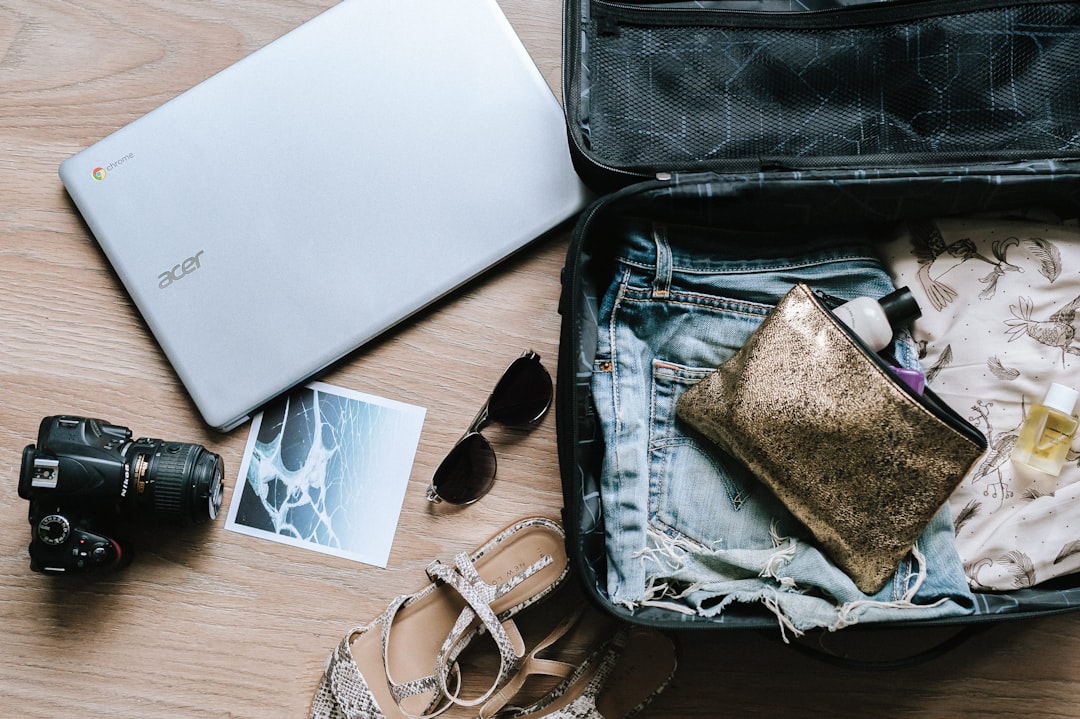
Photo by Anete Lūsiņa on Unsplash
The most reliable carry-on packing checklist is boring in the best possible way. It does not chase every possible scenario. It builds a repeatable core, then adjusts around climate, purpose, and laundry access. Imagine a hotel room at golden hour: one chair by the window, shoes by the door, charger plugged in, tomorrow already easy because every piece in the bag can work with every other piece. That is the goal.
This is where fabrics quietly decide everything. Quick-dry synthetics, light wool blends, technical shirts, and thin knit layers outperform thick cotton almost every time. They dry faster after travel laundry, hold fewer odors, and collapse smaller inside packing cubes. Even if you never buy travel-specific clothing, choosing thinner, faster-drying versions of what you already wear makes a visible difference by the time the zipper closes.
A universal carry-on packing checklist should cover one week easily and stretch beyond that through washing and rewearing. If you want an even stricter framework, Carry-On Only Packing Guide for 2026: The One-Bag Method goes deeper on minimalist bag logic.
Here is the core I return to for most trips of 4 to 10 days:
- 4 tops that all work with the same bottoms
- 2 bottoms, with 1 worn in transit if bulky
- 1 light outer layer
- 1 weather layer such as a packable rain shell or thin insulated vest
- 1 sleep set or multipurpose tee and shorts
- 4 to 5 underwear pairs
- 3 pairs of socks
- 2 bras if needed, one worn and one packed
- 1 pair of walking shoes, worn in transit
- 1 secondary footwear option, usually sandals, loafers, or flats
- 1 toiletries pouch built around solids and sub-100 ml liquids
- 1 tech pouch with only the chargers you will actually use
- 1 small laundry kit for travel laundry: sink stopper, detergent sheet, or a tiny soap strip pack
Use this simple clothing matrix to scale the list without losing control:
| Trip length | Tops | Bottoms | Shoes | Underwear | Laundry plan |
|---|---|---|---|---|---|
| 2-3 days | 3 | 2 | 1-2 | 3 | None needed |
| 4-6 days | 4 | 2 | 2 max | 4 | Optional sink wash |
| 7-10 days | 4-5 | 2-3 | 2 max | 5 | One mid-trip wash |
| 11-14 days | 5 | 3 | 2 max | 5-6 | Laundry service or laundromat |
City break strategy: how to use a carry-on packing checklist in walkable cities
City trips create a special kind of packing temptation because urban travel makes you want to look ready for everything. Coffee at a corner bar, a museum in the afternoon, a nice dinner on a tiled square, maybe rain at dusk, maybe a rooftop drink, maybe cobblestones, maybe a surprise dress code. The answer is not more outfits. The answer is clothes that look sharper than they feel. A city-break carry-on packing checklist should favor structure without heaviness.
Picture arriving in Lisbon, Barcelona, or Copenhagen with only one bag. You drop it at the hotel, step into the street, and immediately start climbing hills, crossing plazas, or darting into bakeries. This is not the moment for stiff denim, fragile shoes, or anything that wrinkles into surrender. A city-friendly wardrobe lives in dark neutrals, breathable layers, and one outfit that can tilt slightly smarter at night with the change of a shoe, shirt, or lipstick. This is where packing cubes shine: one cube for daywear, one for evening-ready items, and no rummaging when you are already late.
A city-break carry-on packing checklist should include:
- 3 versatile tops in colors that all pair with the same bottoms
- 1 smarter shirt, blouse, or knit that upgrades dinner without adding bulk
- 1 dark trouser or skirt that works day to night
- 1 second bottom, ideally lighter and casual
- 1 compact layer for church interiors, windy viewpoints, or over-air-conditioned museums
- 1 pair of all-day walking shoes with real grip
- 1 slim evening option only if you know you will use it
- 1 crossbody or compact day bag inside your personal item
If you are heading on a long flight before that city break, Long-Haul Flight Comfort 2026: The Hour-by-Hour Plan helps you think through what to wear in transit so you do not waste space on airplane-only clothing.
Beach trip strategy: keep the carry-on packing checklist light and sand-proof
Beach travel tricks people into packing more because everything looks small on the bed. Swimsuits, cover-ups, sandals, towels, reef-safe sunscreen, a book, another book, snorkel gear, a big hat, a second big hat. Then the bag refuses to close. A beach-focused carry-on packing checklist works best when you let the destination do some of the heavy lifting. Towels, extra sunscreen, and cheap flip-flops are often easier to buy on arrival than to carry across oceans.
Summer destinations smell like salt, sunscreen, grilled fish, and hot pavement. Your clothing should match that looseness. Fabrics can be thinner. Colors can be brighter. Laundry becomes simpler because swimwear and light shirts dry quickly on a balcony rail or in a shower room. Carry-on only travel is often easiest in beach climates because the garments themselves are light; the risk comes from accessories and duplicates.
For a warm-weather escape, my carry-on packing checklist looks like this:
- 3 lightweight tops or tanks
- 2 bottoms, usually 1 short and 1 trouser or skirt
- 2 swimsuits so one dries while the other is in use
- 1 airy layer for buses, ferries, and evening breeze
- 1 compact rain shell in tropical climates
- 1 sandals or slides pair
- 1 walking shoe worn in transit if the trip includes towns or trails
- 1 packable hat that folds flat
- 1 dry bag or zip pouch for wet swimwear
Beach packing becomes easier if you follow three rules:
- Never pack a full-size towel unless your accommodation explicitly lacks one
- Keep toiletries light and buy bulky sunscreen on arrival when possible
- Let your personal item carry snacks, water bottle, and in-transit layers, not beach gear you might never use
Business trip strategy: polish without overweight luggage
Business travel is where good intentions go to die. A blazer goes in for meetings. Then a backup blazer. Then shoes that only work with one outfit. Then a laptop, a charger brick the size of a loaf of bread, paper documents, and a shirt that needs babying. A business-ready carry-on packing checklist succeeds when every formal piece does double duty and every delicate piece earns its place.
There is a very particular feel to a work trip: the early lobby light, the hiss of an iron in a hotel room, the quiet panic of realizing your dress shirt is creased before a breakfast meeting. This is why fabric and color matter more here than anywhere else. Dark trousers hide repeat wear. A knit blazer travels better than a structured jacket in many industries. A merino or performance-button shirt behaves better than thick cotton. Your goal is not runway perfection; it is looking calm, intentional, and unrumpled after taxis, trains, and bad coffee.
A business-focused carry-on packing checklist should include:
- 2 meeting-ready tops or shirts
- 1 smart jacket or blazer, worn in transit when possible
- 1 dark trouser or skirt for repeat use
- 1 second bottom for evenings or casual segments
- 1 wrinkle-resistant dress or shirt option for dinner
- 1 dress shoe or polished loafer, ideally worn in transit if bulky
- 1 compact steamer sheet spray or wrinkle-release spray under liquid limits
- 1 document sleeve inside your personal item
For business travelers, these packing choices matter more than people think:
- Choose a roller if you carry a laptop and formalwear often
- Use one of your packing cubes only for work clothing to avoid shoe contact
- Request hotel pressing or same-day laundry before you leave home if your schedule is tight
- Limit accessories to one belt, one watch, and jewelry that works with every look
Cold-weather strategy: the carry-on packing checklist for bulky seasons
Cold-weather trips are where travelers often give up on carry-on only travel, but winter is still manageable if you pack insulation, not volume. Snowy destinations feel dramatic when you step outside: air sharp on the face, coat collar up, gloves half-lost, boots clacking on wet pavement. The instinct is to stuff the bag with thick knits and spare coats. The smarter move is layering thin, warm pieces and wearing the bulkiest items in transit.
A winter bag should feel dense, not swollen. One thermal base layer weighs far less than one chunky sweater and performs better. Merino tees, thin fleeces, insulated vests, and a waterproof shell stack intelligently. The classic mistake is packing multiple heavy outer layers because each solves only one scenario. In one bag travel, your system should solve dry cold, wet cold, and overheated interiors without requiring three jackets.
For a cold-weather carry-on packing checklist, use this framework:
- 2 thermal or warm base tops
- 2 regular tops for indoors and layering
- 2 bottoms, with one substantial pair worn in transit
- 1 thin fleece or wool mid-layer
- 1 insulated jacket or shell system, worn on travel day
- 1 sleep layer that can double as emergency base layer
- 1 gloves, 1 beanie, 1 scarf, all packed into shoes or side gaps
- 1 waterproof boot or weather-resistant sneaker worn in transit
- 1 lighter indoor shoe only if essential
Winter packing gets easier if you remember these space-saving moves:
- Fill boots with socks, chargers, or gloves
- Use compression thoughtfully; over-compressed sweaters become hard bricks
- Skip jeans if they are heavy and slow to dry after travel laundry
- Plan one indoor outfit that can be reworn repeatedly without anyone noticing
Packing cubes, a personal item, and the invisible systems that make space
The most effective carry-on packing checklist is supported by small systems that stop chaos before it starts. Packing cubes are not magic, but they are close. They create edges inside a soft bag, prevent outfit creep, and let you unpack in seconds. I like to imagine the hotel arrival ritual: unzip, lift out two cubes, set the toiletry pouch by the sink, charger by the bed, done. No explosion. No layers of fabric slumping onto the floor.
The personal item is equally important. It is the reason you do not need to open your main bag at the gate, in the aisle, or in the security line while people sigh behind you. Good carry-on only travel separates transit needs from destination needs. Passport, wallet, medication, earbuds, power bank, one snack, a pen, and a thin layer all belong close at hand. Your main bag should be packed as if you will not touch it until you arrive.
Travel laundry is the final invisible system. People overpack because they imagine dirty clothes as a dead end. In reality, one sink wash changes the math of an entire trip. Quick-dry underwear and thin tops can be washed at night and ready by breakfast. Many city laundromats charge around €4 to €8 for a wash and €2 to €5 for drying. Hotel laundry is pricier, often €10 to €25 per item in upscale properties, but one mid-trip load at a self-service spot can save an entire extra bag.
Use this packing order for the cleanest bag architecture:
- Shoes at the base or wheel end of the bag
- Packing cubes stacked by frequency of use
- Toiletries centered so weight stays stable
- Tech pouch near the top for security checks
- Empty foldable tote tucked flat against the lid
- Laundry pouch in the easiest-to-reach corner
And keep your personal item stocked with only the essentials:
- Passport and travel documents
- Phone, charger cable, and power bank
- Medications and a tiny comfort kit
- Refillable water bottle after security
- One snack with actual staying power
- A scarf or light layer
- Small valuables you never want gate-checked
How to get there
A carry-on bag changes the journey before it changes the destination. You move differently through airports, train stations, ferry terminals, and bus depots when you are not managing a checked case. That matters on routes with stairs, tight transfers, and strict baggage fees. If you are flying from New York JFK, London Heathrow LHR, Paris Charles de Gaulle CDG, or Tokyo Haneda HND, the practical advantage is immediate: no bag drop line, less waiting on arrival, and easier connections when terminals are far apart.
Budget airlines make the math especially clear. On many European routes, a checked bag can add €25 to €60 each way, and gate penalties are often much worse than booking luggage in advance. Long-distance buses and ferries are less dramatic, but the principle is the same: smaller bags give you more control. On Amtrak, generous luggage rules mean a carry-on is easy, but on crowded regional trains in Europe or Japan, a compact cabin bag is much easier to lift onto racks and off platforms without a wrestling match.
A travel-ready carry-on packing checklist should match your transport style, not just your destination. Here is the quick transport guide I use:
| Transport type | Typical rule or reality | Why carry-on wins | Useful official link |
|---|---|---|---|
| Full-service flights | Often 1 cabin bag plus personal item | Faster check-in and arrival | https://www.tsa.gov |
| Budget airlines | Strict size and sometimes 7-10 kg weight caps | Avoid extra fees and gate stress | https://www.gov.uk/hand-luggage-restrictions |
| Amtrak and many US trains | More generous baggage than airlines | Easy boarding if you can self-carry | https://www.amtrak.com/onboard/baggage-policy |
| Eurostar and many European trains | You carry what you bring | One bag is easier on stairs and racks | https://www.eurostar.com |
| Coaches such as FlixBus | Small carry-on plus stored luggage | One cabin bag avoids handling delays | https://www.flixbus.com/service/baggage |
| Ferries | Rules vary, often flexible | Light bags help on ramps and transfers | Check operator website before departure |
A few transport-specific tips make a huge difference:
- Weigh your bag before leaving home if you are flying a strict low-cost carrier
- Keep liquids and electronics where you can access them fast
- Wear your heaviest shoes and outer layer in transit
- Never let your personal item become a second suitcase
- Leave 10 to 15 percent empty space for food, layers, or small purchases
Things to do
Before any trip, there are a handful of actions that matter more than buying new gear. They are not glamorous, but they create the smooth feeling you notice later when the bag slides into the overhead bin without resistance. The room is quiet, the zipper closes on the first try, and you are not kneeling on the floor trying to negotiate with denim. That peace is earned before departure.
I think of these as the hidden rituals of carry-on only travel. They make the difference between a bag that feels clever in theory and a bag that actually works at 6:10 a.m. in a taxi queue, in a humid hostel hallway, or on a train platform where you only have ninety seconds to board. Each action below takes minutes, but together they transform your packing reliability.
Do these seven things before you leave:
- Test-pack your full carry-on packing checklist at least two days before departure
- Wear your transit outfit for an hour at home to check comfort and pocket function
- Confirm baggage size and weight rules with your exact airline or train operator
- Download boarding passes, hotel details, and offline maps to your phone
- Put all liquids into one transparent pouch and make sure every container is under the limit
- Run one practice round of travel laundry with your chosen fabrics so you know what dries overnight
- Photograph your packed bag and valuables for insurance and peace of mind
And do these five things on arrival:
- Unpack only the packing cubes you need
- Set up a laundry corner or pouch immediately
- Refill your water bottle and restock one snack
- Check weather again and adjust the next day outfit before sleep
- Keep your passport, wallet, and charging cable in the same place every night
Where to stay
Accommodation quietly shapes whether your carry-on plan succeeds. A charming room with no elevator, nowhere to hang wet clothes, and no nearby laundromat can turn a tidy bag into a daily annoyance. On the other hand, a practical stay with a good rail connection, an elevator, and easy laundry access makes one bag travel feel effortless. When I book with a cabin bag in mind, I care less about square footage and more about logistics.
There is also a mood difference. The right stay supports the rhythm of a light traveler: you come back at dusk, shoes dusty, maybe a shirt to rinse, maybe a power bank to charge, maybe a jacket to dry after drizzle. You want hooks, surfaces, and a little breathing room around the bed. Luxury helps, of course, but thoughtful mid-range properties often serve carry-on only travel better than stylish spaces designed more for photographs than function.
Here are good accommodation types and examples by budget:
| Budget tier | Good options for carry-on travelers | Typical price range | Why they work |
|---|---|---|---|
| Budget | Generator Hostels, Meininger, Ibis Budget | €35-€120 | Laundry access, simple layouts, transit-friendly locations |
| Mid-range | CitizenM, Moxy, Premier Inn Hub | €120-€260 | Compact but efficient rooms, good outlets, easy city access |
| Luxury | Kimpton, Andaz, Shangri-La | €250-€550+ | Same-day laundry, pressing, strong concierge support |
What to prioritize when booking:
- Elevator access if you use a roller
- Self-service laundry on site or a laundromat within 10 minutes
- Strong reviews mentioning storage, hooks, and practical room layout
- Walkable location near transit so you are not hauling a bag across town
- Early check-in or bag-drop service for short trips
- A kettle or minibar fridge if you travel with special snacks or medications
Where to eat
Food matters to packing more than people realize. Travelers stuff bags with protein bars, emergency nuts, instant coffee sachets, and whole snack economies because they fear landing hungry. But one of the pleasures of carrying less is stepping into a city and letting it feed you immediately. The first meal becomes part of the arrival ritual: something hot, local, and easy, replacing half the just-in-case food you never needed to bring.
The best first stops are usually markets and transit-friendly food halls where you can eat well without ceremony, buy fruit or yogurt for tomorrow, and avoid overcommitting to groceries you cannot store. I love that moment after check-in when the bag is finally light on the shoulder and the city starts speaking through smell: broth, bread, citrus, grilled meat, espresso, soy, butter. That is better than carrying three days of snacks from home.
If you arrive with a light bag, these kinds of places work beautifully:
- Borough Market, London: soup, pastries, cheese toasties, and fruit for easy first-day meals
- Mercado de San Miguel, Madrid: tortillas, croquetas, jamon, and small bites that do not require planning
- La Boqueria, Barcelona: juices, fruit cups, seafood tapas, and simple picnic supplies
- Tsukiji Outer Market, Tokyo: rice bowls, grilled seafood, miso soup, and quick breakfast energy
- Chelsea Market, New York: tacos, noodles, bakery stops, and easy takeaway options
- Mercato Centrale, Florence or Rome: pizza al taglio, pasta, roast meats, and practical traveler portions
A few smart food rules help your bag stay light:
- Pack only one travel-day snack you know you will eat
- Buy water after security or refill a bottle at the airport
- Use local grocery stores for breakfast basics instead of carrying bulky food
- Avoid packing sauces, spreads, or anything that complicates liquid limits
Practical tips
A practical carry-on packing checklist changes with season, destination style, and how comfortable you are with repeating outfits. The easiest months for carry-on only travel are often April to June and September to October, when weather is milder and you can layer instead of hauling big coats or multiple footwear options. Summer is easy for clothing volume but can be tricky for liquids, sunscreen, and souvenirs. Winter is manageable if you wear the heavy stuff and rely on layers.
Weather is the biggest liar in trip planning because forecasts tempt you into extremes. One chilly evening does not justify a second jacket. One hot afternoon does not require three extra tops. Look at average highs and lows, not just the dramatic icons on your weather app. I often use TravelDeck to compare forecast swings, transport days, and activity plans before finalizing what earns space in the bag.
Money, safety, and connectivity also affect your packing decisions. Many laundromats in Europe and parts of Asia are card-friendly now, but some still prefer coins, so a little local cash helps if you are counting on travel laundry. Keep valuables in your personal item, never in an outer front pocket of the main bag. For connectivity, an eSIM can eliminate the need for a plastic SIM kit and extra paperwork. And if you are crossing borders often, keep one printed backup of key reservations even if you rely mainly on your phone.
These are the practical habits I return to on almost every trip:
- Pack for five days, not for the full trip, if travel laundry is realistic
- Stick to two pairs of shoes maximum
- Choose solids over liquids whenever possible
- Keep one warm layer accessible during transit even in summer
- Carry a pen for immigration forms and unexpected paperwork
- Bring a small foldable tote for groceries, beach items, or laundry runs
- Leave room for local purchases instead of starting with an overstuffed bag
FAQ
A lot of readers want the same reassurance before they commit: can one bag really handle a real trip, with weather changes, nice dinners, and a few unpredictable moments? The short answer is yes, but only if your carry-on packing checklist is based on repeat use rather than outfit volume. Once that clicks, the whole process gets lighter.
These are the questions I hear most often from travelers making the switch to carry-on only travel.
Can a carry-on packing checklist really cover two weeks?
Yes, if you build around travel laundry and repeatable outfits. For most travelers, two weeks in one cabin bag means packing about five days of clothing, washing once or twice, and refusing duplicate shoes or heavy fabrics.
What is the best bag size for one bag travel?
For most adults, 35 to 40 liters is the sweet spot. Smaller works for warm-weather or short trips. Larger can help in winter, but many travelers pack the extra space just because it exists.
How many shoes should I pack for carry-on only travel?
Two pairs is the realistic maximum for most trips: one walking pair worn in transit and one secondary pair for the destination. More than that usually steals space from more useful items.
Are packing cubes worth it?
Yes. Packing cubes make bags easier to load, unpack, and repack. They help separate clean and worn clothes, stop small items from drifting, and make hotel living noticeably calmer.
What should go in my personal item instead of the main bag?
Keep essentials there: passport, wallet, medication, tech you need in transit, a layer, water bottle, and valuables. Think of the personal item as your mobile cockpit and the main bag as your destination storage.
A reliable carry-on packing checklist is less about discipline than about trust. Trust that you can wash a shirt. Trust that one pair of good shoes can do more than three mediocre ones. Trust that most destinations sell toothpaste, sunscreen, and umbrellas. Most of all, trust the feeling you are really chasing: stepping out of arrivals unburdened, hearing the city before you have even opened your map, and knowing everything you need is already on your shoulder.