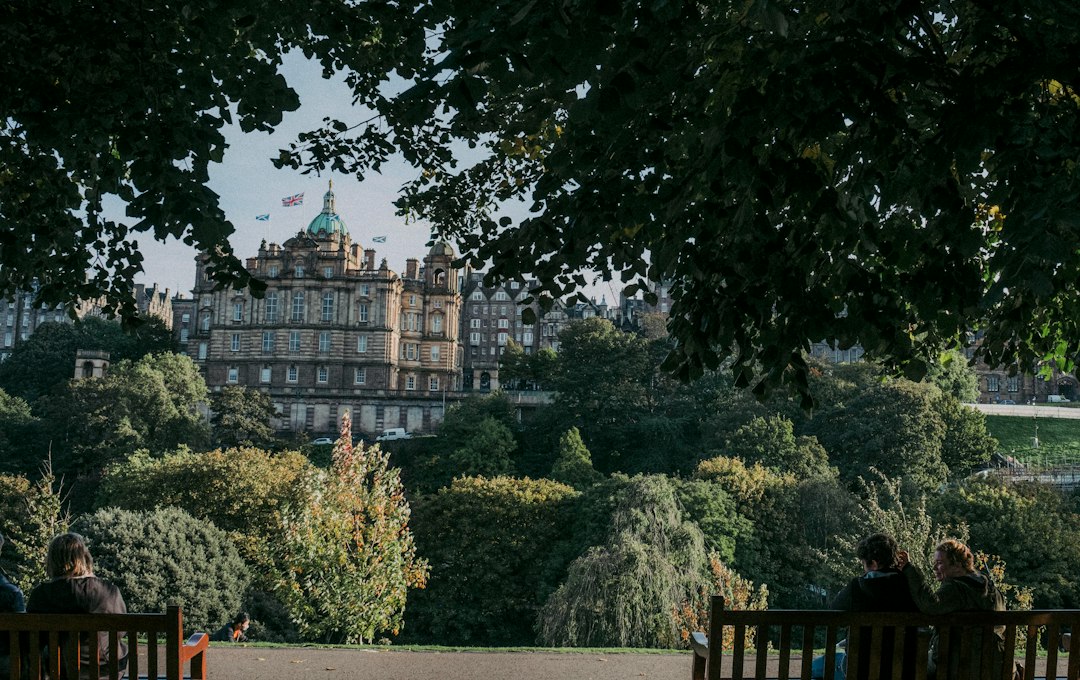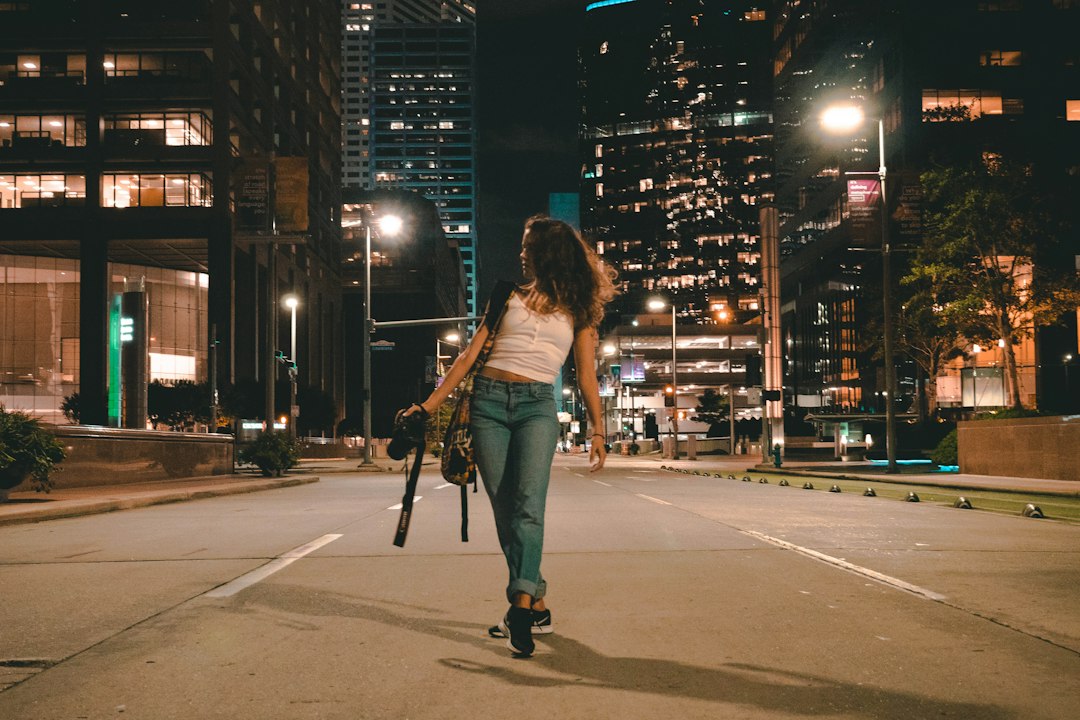
Montreal is one of the few North American cities where a weekend can feel split between two continents: espresso and stone lanes in the morning, smoked meat and street art by afternoon. If you are planning a Montreal weekend trip 2026, the trick is not trying to do everything. It is choosing the right base, using transit instead of a car, and giving each neighborhood enough room to feel like Montreal rather than a checklist.
This guide is built for exactly that: two nights, two days, real prices, real walking times, and the decisions that actually shape the trip.
Where to stay in Montreal for a weekend
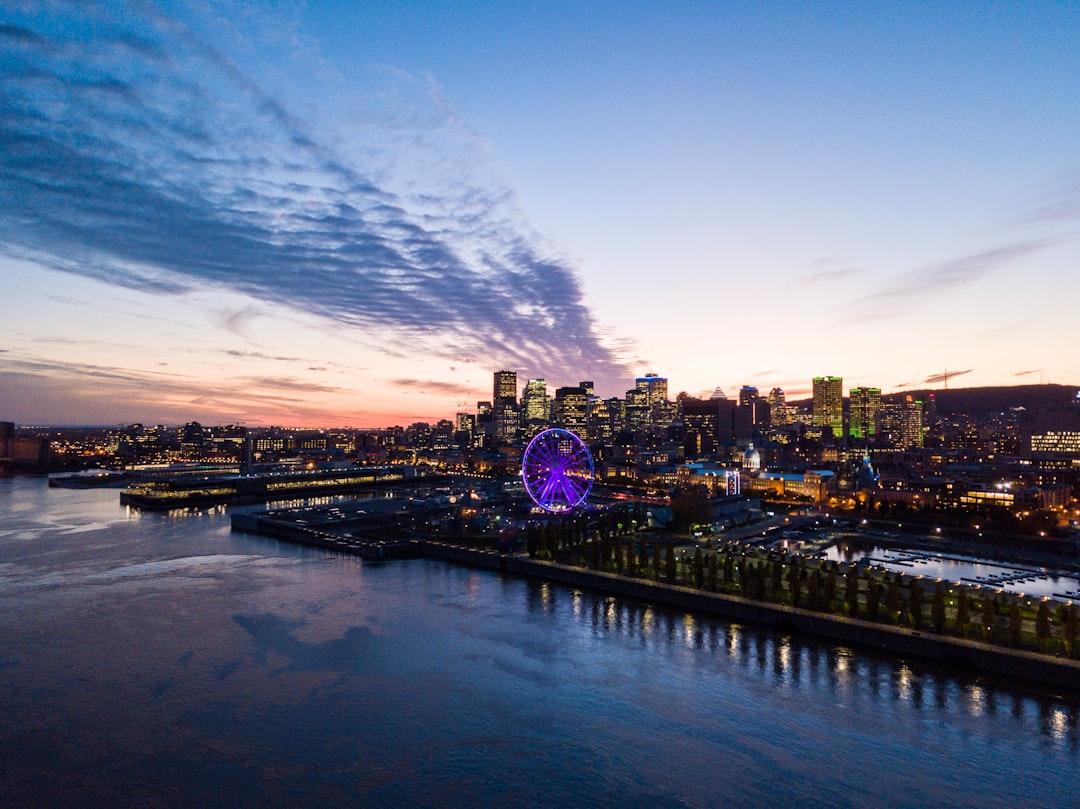
Photo by Samuel Charron on Unsplash
Where you sleep changes the whole rhythm of the city. Montreal looks compact on a map, but weekend energy shifts fast between Old Montreal, Downtown, the Plateau, and Mile End. Pick the wrong base and you will burn time crossing the city for breakfast, views, and nightlife.
For most first-timers, three areas make the most sense. Old Montreal gives you the postcard version: cobblestones, church bells, riverfront walks, and easy early-morning sightseeing before day-trippers arrive. Downtown is the practical choice, with faster metro connections, more mid-range hotels, and easy access to the underground pedestrian network in bad weather. The Plateau is best if you want cafes, terraces, murals, and a more local feel, though luggage and stairs are more common here.
Before you book, check direct on hotel sites and compare the total after taxes. In summer and festival weekends, central rooms can jump sharply.
- Stay in Old Montreal if you want a romantic base, easy basilica access, and nights that end with a river walk.
- Stay Downtown or in Quartier des Spectacles if you want the easiest transit connections and a wider hotel range.
- Stay in the Plateau if your priority is neighborhood atmosphere, independent cafes, and food-first wandering.
- Avoid relying on a car for a weekend stay. Parking often runs about CAD 25 to 40 per night, and roadworks can turn short drives into long ones.
A realistic 2026 price range for a well-located room is roughly CAD 180 to 350 per night for a standard hotel. Hostels usually start around CAD 55 for a dorm bed. If you are packing light for two nights, the logic in Cabin Bag Packing Plan 2026: The 5-Zone Method That Fits fits this kind of city break especially well.
Best time to visit Montreal in 2026
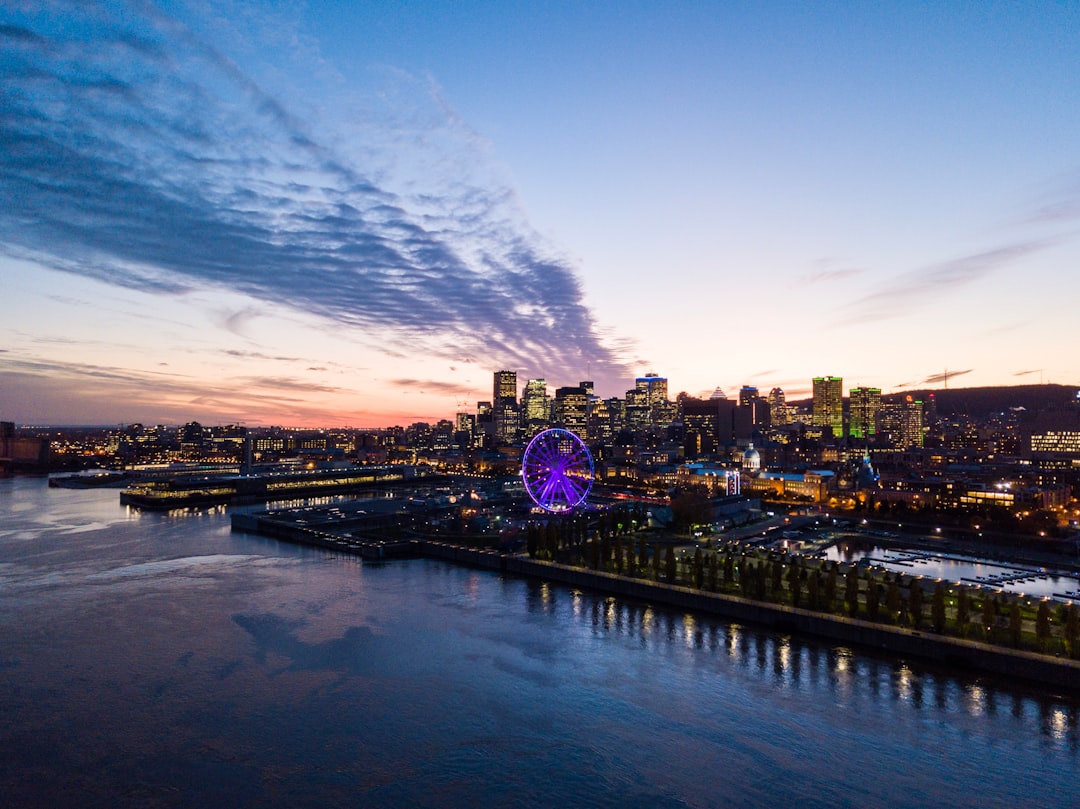
Photo by Samuel Charron on Unsplash
The best time to visit Montreal depends less on temperature than on what kind of weekend you want. For a classic Montreal weekend trip 2026, late May through early October is the easy answer: terraces are open, BIXI bikes are everywhere, the Old Port is lively, and Mount Royal feels like part city park, part outdoor living room.
June and July bring festival energy, long daylight, and the biggest crowds. Expect daytime temperatures around 22 to 29 C, but evenings near the river can feel cooler than you expect. Late September into October is arguably the sweet spot for many travelers: lighter crowds, crisp air, turning leaves, and fewer sweaty uphill walks to the Kondiaronk Belvedere.
Winter can be beautiful, but it changes the math. A two-day trip becomes more indoor, more metro-dependent, and more clothing-heavy. If you go between December and February, plan for serious cold, snow underfoot, and extra transit time.
- Best all-round months: June, September, and early October.
- Best for festivals and street life: late June through August.
- Best for lower stress and cooler walking weather: late September.
- Hardest season for casual packing: January and February.
- Biggest planning warning: road construction runs through much of the warmer season, so driving is rarely worth it.
For event dates and neighborhood happenings, use the official city calendar at MTL.org. If you need entry rules before booking, check the official Canada visitor information at canada.ca.
Montreal public transport and airport transfers
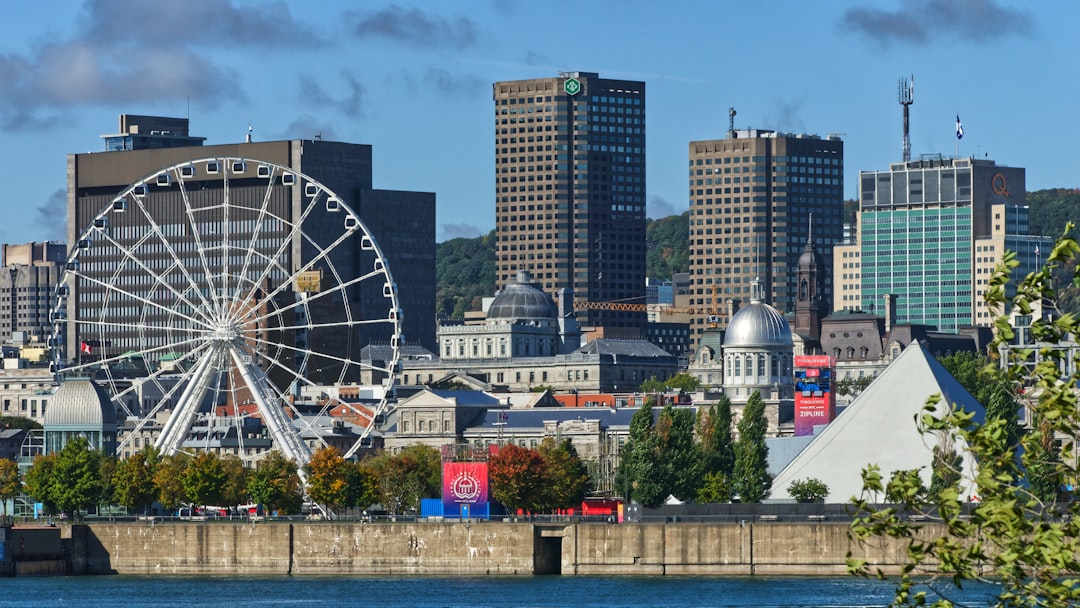
Photo by Pascal Bernardon on Unsplash
A smart Montreal weekend trip 2026 starts with one simple rule: do not rent a car unless you are leaving the city. Central Montreal is walkable, the metro is easy to learn, and parking plus construction usually cost more time than transit ever will.
From Montreal-Trudeau Airport, the easiest options are a fixed-fare taxi to downtown or the airport bus into the city. A taxi to the central zone usually lands around CAD 50 to 55 and takes roughly 25 to 40 minutes depending on traffic. The airport bus is slower but cheaper, and it makes sense if you are traveling solo with light luggage.
Inside the city, the STM metro is the backbone. A 24-hour pass is usually the best value for a packed sightseeing day, at around CAD 11. Buses matter too, especially for Mount Royal and some neighborhood hops. If the weather is good, BIXI is excellent for short rides between the Old Port, Downtown, and the Plateau; day access is typically around CAD 6, with extra usage fees depending on ride length.
- Best airport option for two or more people: fixed-fare taxi.
- Best airport option for solo budget travelers: airport bus plus metro.
- Best transit buy for a Saturday of sightseeing: 24-hour STM pass.
- Best mistake to avoid: assuming Old Montreal, the Plateau, and Jean-Talon Market all fit comfortably on foot in one day.
If you like locking all those timings into one clean plan before takeoff, it helps to map your meal stops, opening hours, and transit windows in TravelDeck once your hotel area is set.
Day 1: Old Montreal, the basilica and the riverfront
A good Montreal weekend trip 2026 should begin with the city at its most atmospheric. Old Montreal is busiest from late morning onward, so start early. When the streets are still quiet, the stone facades, iron balconies, and soft church-bell echo feel more European than North American.
Morning
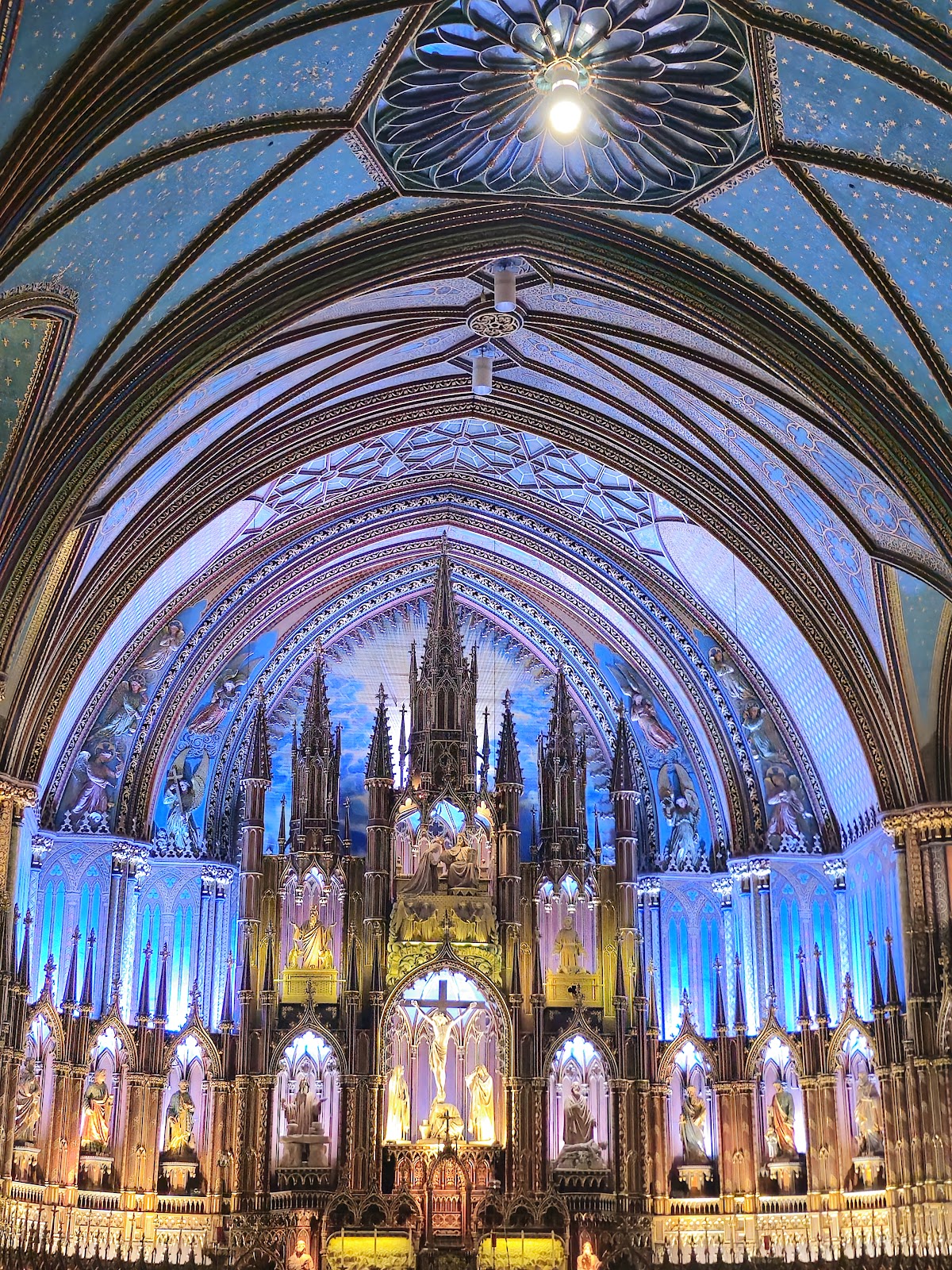
Start at Place d'Armes and visit Notre-Dame Basilica close to opening time. Adult entry is usually around CAD 18, and it is worth paying for the interior rather than only admiring the facade. After that, walk Rue Saint-Paul, duck into side lanes, and grab breakfast nearby. A coffee and pastry usually runs CAD 8 to 12; a fuller breakfast sandwich can push closer to CAD 15.
Afternoon
Walk down toward the Old Port for broad river views and an easier pace. This is the right time for waterfront paths, the clock tower area, or a museum stop if the weather turns. If you want one paid attraction, choose one rather than stacking three. Pointe-a-Calliere or the Montreal Science Centre work better for a weekend than museum marathons because both sit close to the route you are already walking.
For lunch, keep it regional and quick. Poutine usually costs CAD 12 to 18, while a smoked meat plate or sandwich combo often lands around CAD 15 to 25. Save the long sit-down meal for dinner.
Evening
Use your evening in one of two ways: stay in Old Montreal for a polished dinner and slower wine-bar energy, or head to Quartier des Spectacles for a livelier night. Reserve dinner if you are traveling on a summer weekend; popular rooms fill fast, especially when festivals are on.
If your feet still have something left, finish with a short night walk back through the Old Port. Montreal after dark is softer than many big cities: amber lights on old stone, a little wind off the water, and just enough noise to remind you the city is still awake.
Day 2: Mount Royal, the Plateau and Mile End
Day 2 is where the city loosens up. The suit-and-stone version of Montreal gives way to staircases, murals, bagel heat, bike lanes, and the leafy residential streets that make people want to stay longer than a weekend.
Morning
Go early to Mount Royal. You can walk up from the Peel side if you want the full climb, or save time by using the bus toward the park and then walking the final stretch to Kondiaronk Belvedere. Give yourself 60 to 90 minutes total for the viewpoint, a loop near the chalet, and photos. On Sundays in warmer months, the mountain often starts humming with drummers and picnics later in the day, so early morning is calmer.
Afternoon
From Mount Royal, drift into the Plateau. This is not a checklist neighborhood; it is a wandering neighborhood. Let Avenue du Mont-Royal, Rue Saint-Denis, and the side streets do some of the work for you. Look for exterior staircases, small bookstores, and terrace lunch spots where lunch still feels like a neighborhood habit instead of a tourist performance.
Then continue into Mile End. This is the right zone for Montreal bagels, low-key coffee breaks, and casual shopping. A bagel or two costs just a few dollars, which makes it one of the best-value local bites in the city. If food is a big part of your plan, you can continue north to Jean-Talon Market for late-afternoon snacking and produce browsing. For current hours and exhibits at the nearby nature museums, check Espace pour la vie.
Evening
Use your final evening according to energy level. If you still want to move, stay for live music, a jazz set, or a relaxed bar in Mile End or the Plateau. If you want comfort food before an early departure, this is the night for poutine or smoked meat without worrying about doing anything elegant afterward.
A Montreal weekend trip 2026 works best when Day 2 stays flexible. If rain hits, swap Mount Royal for the Montreal Museum of Fine Arts, then return to the Plateau for dinner. If the sun holds, stay outside as long as possible.
Montreal travel budget for 2 days
For most travelers, a Montreal weekend trip 2026 feels cheaper than Toronto or Vancouver, but it is not a bargain-basement city. The biggest cost swing is accommodation. Food can be managed well if you mix one nicer dinner with casual breakfasts and market lunches.
Use this table as a per-person estimate for two nights and two full days, excluding flights or long-distance rail.
| Category | Budget style | Comfortable style | Higher-end style |
|---|---|---|---|
| Accommodation | CAD 110-160 | CAD 220-380 | CAD 450-800 |
| Food and coffee | CAD 70-110 | CAD 120-180 | CAD 220-350 |
| Local transport | CAD 11-30 | CAD 20-40 | CAD 40-80 |
| Attractions | CAD 0-40 | CAD 30-80 | CAD 80-180 |
| Total | CAD 191-340 | CAD 390-680 | CAD 790-1,410 |
A few budget rules make a real difference.
- Choose one major paid sight per day instead of buying tickets everywhere.
- Use transit and walking rather than taxis between neighborhoods.
- Eat one market meal or bagel lunch to offset one nicer dinner.
- Book a cancellable room early if you are visiting during jazz, comedy, or Grand Prix periods.
If your weekend revolves around markets, picnic food, and trying everything in sight, Travel Food Safety Checklist 2026: Eat Local, Stay Well is a useful companion read.
Food, etiquette and the small mistakes travelers make
Montreal rewards a little effort. You do not need strong French, but opening with a simple bonjour is a polite way to enter a shop, cafe, or bakery. Most people in central areas switch easily to English, yet the greeting matters.
The city also rewards restraint in planning. Travelers often make the same three mistakes here: they overbook meals, underestimate walking time on hilly streets and stairs, and assume every famous food stop is quick. It is not unusual to wait for smoked meat, bagels, or brunch on a busy weekend.
Keep these practical rules in your pocket.
- Tip around 15 to 20 percent in sit-down restaurants unless service is already included.
- Bring a light layer even in summer; riverfront evenings cool down fast.
- Wear shoes you actually want to spend eight to ten miles in. Cobblestones are charming until hour six.
- Reserve Notre-Dame Basilica time slots and any must-have dinner before arrival on peak weekends.
- Carry a card, but keep a little cash for small food stops and market buys.
- In winter, add gloves, a hat, and footwear with grip. Montreal slush is harder on mood than cold air.
FAQ
Is 2 days enough for Montreal?
Yes, if you keep your route tight. Two days is enough for Old Montreal, Mount Royal, the Plateau, and one or two paid attractions. It is not enough for a full museum-heavy schedule plus day trips, so choose neighborhoods over volume.
What is the best area to stay in Montreal for a weekend?
Old Montreal is best for atmosphere and romance. Downtown is best for convenience, metro access, and hotel choice. The Plateau is best for local feel, food, and cafes, but it is less efficient if you want to be first into Old Montreal every morning.
How much does a Montreal weekend trip 2026 cost?
A realistic Montreal weekend trip 2026 usually costs about CAD 200 to 340 per person on a budget, or roughly CAD 390 to 680 for a comfortable mid-range weekend, excluding transport to the city. Festival weekends and last-minute hotels push those numbers up quickly.
Do I need French in Montreal?
No, not for a short trip. English is widely understood in tourist and central areas, but starting with a polite French greeting is appreciated and smooths small interactions.
Is Montreal walkable, or should I rely on transit?
Both. Old Montreal, Downtown, the Plateau, and Mile End are great on foot once you are in them, but use the metro or bus between districts to save time. That balance is what makes a weekend feel relaxed instead of rushed.
Montreal is at its best when you do slightly less than you think you should. Leave space for a second coffee, a slow view from Mount Royal, a wrong turn that leads to a mural, and one meal that goes longer than planned. That is usually when the city stops feeling like a short break and starts feeling like somewhere you already know.