A pet trip usually goes wrong before you even leave home. Not because your dog barked at security or your cat hated the carrier, but because the microchip date was wrong, the airline bag was 2 cm too tall, or the hotel allowed pets but not pets left alone. This pet travel checklist 2026 is built to stop those quiet planning mistakes before they become expensive travel-day disasters.
Traveling with pets can feel wonderfully normal one moment and wildly logistical the next: a leash looped over a suitcase handle, a water bowl balanced on an airport floor, a sleepy dog curled under a café table in a city that still smells like rain. The trick is to plan the trip around your pet's limits, not your fantasy itinerary.
Build your pet travel documents timeline first

Photo by Alvan Nee on Unsplash
The most useful part of any pet plan is the calendar. International pet travel often depends on the order of steps, not just whether you did them. Microchip first, rabies vaccine after, certificate later: mix up the sequence and you can end up paying for a repeat vet visit, a new certificate, or a moved flight.
For many EU-bound trips, the minimum rhythm is simple but strict: microchip, rabies vaccination, then a 21-day wait before travel. Puppies and kittens often cannot travel until at least 15 weeks old because the first rabies shot is usually given at 12 weeks, then followed by that 21-day wait. Some non-EU to EU routes add a rabies antibody test and a three-month waiting period, which is why last-minute international pet travel is often impossible.
| When to do it | What to check | Typical 2026 cost |
|---|---|---|
| 90-120 days before | Microchip, rabies status, destination rules | $25-$60 microchip, $20-$50 vaccine |
| 60-90 days before | Airline pet space or ferry kennel availability | Often free to reserve, but limited slots |
| 30 days before | Vet review, carrier measurement, hotel pet policy in writing | $0-$30 for booking changes |
| 7-10 days before | Health certificate if required for your route | $75-$250 |
| 1-5 days before | Destination-specific treatments, such as dog tapeworm treatment for Ireland | $20-$50 |
Use this pet travel checklist 2026 rule: if a country mentions certificates, blood tests, endorsed paperwork, or approved entry points, start at least three months out. If the trip is domestic, you can move faster, but you still want ID tags, vaccination records, and a recent photo of your pet saved offline.
Official pages worth bookmarking before you book anything:
- EU pet travel rules: https://europa.eu/youreurope/citizens/travel/carry/animal-plant/index_en.htm
- USDA APHIS pet travel: https://www.aphis.usda.gov/pet-travel
- CDC dog entry rules for the US: https://www.cdc.gov/importation/bringing-an-animal-into-the-united-states/dogs.html
- UK pet travel guidance: https://www.gov.uk/bring-pet-to-great-britain
The paperwork order that keeps people out of trouble
- Confirm the exact destination and transit-country rules before the vet visit.
- Check whether your pet needs a microchip before rabies paperwork can count.
- Ask your vet what the certificate validity window is for your route.
- Print one paper copy and keep one offline digital copy on your phone.
- Save your pet's microchip number, vaccine dates, and three clear photos.
Choose the safest transport mode and train the carrier
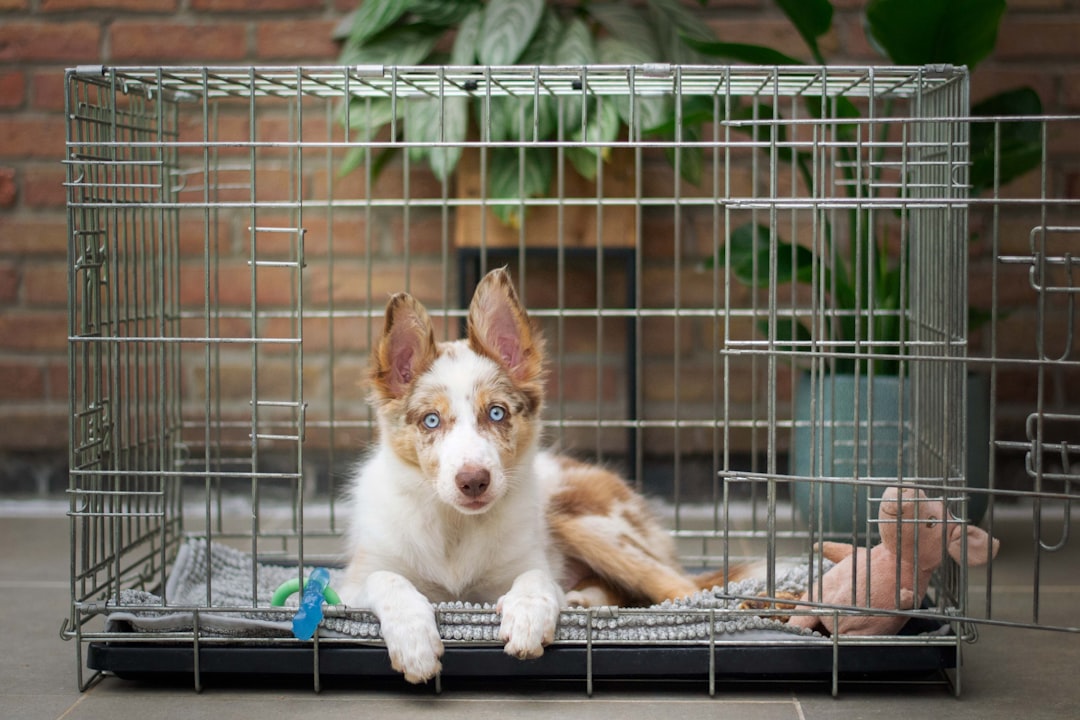
Photo by Ayla Verschueren on Unsplash
The carrier is not luggage. It is your pet's room, seat belt, hiding place, and stress buffer all at once. In airports and stations, where wheels click over tile and announcements bounce off the ceiling, pets do better when the carrier already smells like home.
This is where a pet travel checklist 2026 becomes practical rather than theoretical. Airlines may measure cabin carriers at check-in or even at the gate, and pet quotas per flight can sell out before seats do. For flying with a dog or cat, assume nothing: not the under-seat dimensions, not the breed rules, and not the temperature limits for pets traveling in hold.
A good routine is to leave the carrier open at home for a week before departure. Put treats inside, then meals, then short naps. For cats, a covered soft-sided carrier with a familiar blanket often works best. For medium or large dogs on road trips, a crash-tested harness or secured crate is usually safer than a loose back seat setup.
Transport decision guide
- Best for cabin flights: small dogs and cats that can stand, turn, and lie down inside an airline-approved carrier.
- Best for road trips: dogs that settle after 20-30 minutes and cats already trained to rest in a secured carrier.
- Best for anxious pets: direct routes, fewer hotel changes, and the shortest realistic travel day.
- Worst assumption: thinking a pet who is calm at home will be calm in a bright, noisy terminal.
Before any flight, measure your pet, then measure the carrier, then re-check the airline's latest limits. If you are also learning how to handle the human side of an overnight route, First Long Haul Flight in 2026: 21 Comfort Rules That Help pairs well with the pet planning side.
What to pack inside or on the carrier
- Absorbent pad or liner
- Familiar blanket or T-shirt with home scent
- Collapsible water bowl
- Leash attached before the carrier door opens
- Label with your name, phone, destination, and emergency contact
- Small zip bag with kibble or treats
Pack for the whole day, not just the journey
Photo by Hector O'Connor on Unsplash
The classic mistake in traveling with pets is packing for motion but not for arrival. You survive the flight, then discover there is no litter, no food your pet recognizes, and no quiet corner once you reach the rental. Real pet comfort starts in the first 30 minutes after check-in.
Imagine the hotel room door closing, the hallway finally quiet, the hum of the air conditioner replacing station noise. That is when your pet needs routine more than novelty. Water first. Bed second. Bathroom setup third. Everything else can wait.
This pet travel checklist 2026 packing list covers the basics most owners actually use:
Pet packing list you can copy into your notes
Essentials
- Collar with ID tag
- Harness and backup leash
- Food for the full trip plus 2 extra days
- Treats for transitions and check-ins
- Medications in original packaging
- Vaccine records and health certificate if needed
For dogs
- Poop bags
- Portable bowl
- Towel for muddy paws
- Long line for safe exercise in open spaces
- Any required muzzle if local law or breed rules call for it
For cats
- Travel litter tray or fold-flat box
- Lightweight litter in a sealed bag
- Pee pads
- Small hiding blanket
- Familiar toy with scent from home
Clean-up kit
- Paper towels
- Enzyme spray in a leak-proof bottle under 100 ml if flying cabin-only
- Disposable gloves
- Zip bags for waste or soiled pads
A simple food rule helps on travel days: feed a lighter meal 3-4 hours before departure if your pet is prone to motion sickness, then offer water in small amounts along the way. Do not experiment with new treats at the airport.
Book pet-friendly hotels the careful way
A glowing listing can still be wrong for your trip. Pet-friendly hotels may allow dogs but not cats, accept one pet but not two, charge per night instead of per stay, or ban leaving pets unattended in the room. That difference matters when you are planning dinner, museums, or long beach afternoons.
The best bookings feel almost boring: clear written rules, obvious outdoor access, easy flooring, and no surprise fees at the desk. I also like storing screenshots of pet policies, vet appointments, and emergency clinic pins in one trip board on TravelDeck so the details are not scattered across email threads.
Typical 2026 pet accommodation costs to budget for:
| Item | Common range |
|---|---|
| Hotel pet fee per night | $20-$75 |
| Hotel pet fee per stay | $75-$250 |
| Extra cleaning deposit in rentals | $100-$300 |
| Pet sitter or dog walker in cities | $20-$40 per visit |
Questions to ask before you pay
- How many pets are allowed, and what is the weight limit?
- Is the fee per night or per stay?
- Can the pet be left alone in the room, even briefly?
- Is there grass, a relief area, or a safe litter location nearby?
- Are there breed restrictions or crate requirements?
- Which floor is easiest for late-night bathroom breaks?
Useful booking pages:
- Booking.com pet-friendly filter: https://www.booking.com/
- BringFido stays and city guides: https://www.bringfido.com/
And before paying for any transfer, late-arrival ride, or private rental, use the same verification mindset as Travel Scam Checklist for 2026: From Booking to Taxi. A fake listing is bad enough; a fake listing with a tired pet is worse.
Use a travel-day routine that protects your pet's nerves
On travel day, your pet does not need excitement. Your pet needs predictability. The airport coffee smell, suitcase wheels, brake lights on the highway, and the hiss of bus doors are already a lot. The calmer you make the sequence, the better the day usually goes.
For flying with a dog or cat, arrive earlier than you think you need, but do not create a three-hour stress window unless the airport truly requires it. For a road trip with a cat, keep the carrier buckled in, maintain a stable temperature, and resist the urge to let the cat roam at rest stops. Escape risk is highest when people feel relieved and let their guard down.
Travel-day rules that prevent the common disasters
| Do | Avoid |
|---|---|
| Exercise dogs before departure | A huge meal right before moving |
| Open the carrier only in a secure room or closed car | Opening it on a platform, curb, or parking lot |
| Offer small drinks of water at intervals | Overloading water then dealing with nausea |
| Keep leash attached before doors open | Clipping in after the door is open |
| Build a quiet first hour after arrival | Dragging your pet straight into a busy restaurant |
If you arrive late and still need a walk, keep your route short, bright, and simple. If you are managing the trip alone, the habits in Solo Travel Safety Plan for 2026: Before and After Dark are useful for those unfamiliar nighttime moments with a dog in a new neighborhood.
A first-hour arrival routine that works
- Water down.
- Bathroom or litter setup.
- Short decompression walk for dogs, not an adventure walk.
- Feed only when the pet looks settled.
- Leave the room again only after your pet has visibly relaxed.
Budget for pet travel and create an emergency backup plan
The smartest pet owners do not just budget for the ticket. They budget for the boring extras: the second set of documents, the pet fee, the airport taxi that takes animals, the late-night pharmacy run, the emergency vet deposit. That is what makes traveling with pets feel manageable rather than fragile.
For a domestic weekend, many people spend an extra $100-$300. For international pet travel, it can easily be $300-$1,000 for a small pet in cabin and much more if hold transport, endorsements, or blood tests are involved.
Typical 2026 pet travel budget
- Microchip: $25-$60
- Rabies vaccine or booster: $20-$50
- Health certificate: $75-$250
- Airline cabin pet fee: $95-$150 each way
- Airline checked or hold pet fee: $150-$400 each way
- Airline-approved carrier: $40-$180
- Hotel pet fee: $20-$75 per night or $75-$250 per stay
- Emergency vet deposit: plan at least $100-$200 available immediately
Your emergency backup list
- One regular vet contact
- One 24/7 clinic near your destination
- Microchip company phone number
- Three photos of your pet saved offline
- One local taxi option that accepts animals
- One backup stay in case your first property refuses the pet at arrival
A good pet travel checklist 2026 is not about perfection. It is about reducing the number of small failures that can stack into one miserable day.
FAQ
What documents do I need for traveling with pets in 2026?
For domestic trips, you usually need ID tags, vaccination records, and any medication paperwork. For international pet travel, many routes require a microchip, current rabies vaccination, and either a pet passport or a veterinary health certificate. Always check the destination government website and any transit-country rules before you book.
How early should I start planning a flight with my pet?
For most domestic flights, start 3-4 weeks ahead so you can reserve the pet spot and train the carrier. For international trips, start at least 2-4 months ahead. If your route may require a rabies antibody test and waiting period, start even earlier.
Is flying with a dog safer in cabin or in hold?
Cabin is usually less stressful for small dogs that fit the airline's size rules and can stay calm in the carrier. Hold travel may be necessary for larger dogs, but it needs much stricter planning around airline policy, weather limits, crate standards, and nonstop routes. Ask your vet before booking if your dog is elderly, brachycephalic, or highly anxious.
Can I leave my pet alone in a hotel room?
Sometimes, but never assume it. Many pet-friendly hotels forbid unattended pets or allow them only if crated. Get the rule in writing before arrival, especially if you plan dinners out, museum visits, or long beach walks.
What is the best setup for a road trip with a cat?
A road trip with a cat usually works best with a secured carrier, a familiar blanket, and a steady temperature. Keep stops minimal, never open the carrier outdoors, and set up litter as soon as you reach the room. Most cats prefer fewer transitions and a predictable first hour after arrival.
A smooth pet trip rarely looks glamorous on paper. It looks like printed documents, measured straps, familiar smells, and a backup clinic saved in your phone. But that careful, slightly unromantic prep is exactly what creates the better moments: the easy check-in, the calm ferry deck, the quiet evening walk in a place that already feels a little like home.