Pet Travel Rules 2026: Flights, Hotels, Trains, and Cars
A single wrong date on a health certificate can unravel a whole trip faster than a delayed flight. That is why pet travel rules 2026 matter so much: when you travel with an animal, the small details are the trip. The carrier size, the microchip number, the check-in deadline, the hotel policy about leaving pets alone for breakfast, the temperature on a motorway rest stop at 2 pm in July — these are not side notes. They are the difference between a smooth departure and a stressful, expensive mess.
The good news is that pet travel rules 2026 are manageable when you plan in the right order. Instead of starting with cute gear or hotel photos, start with your pet's temperament, the route, the documents, and the weakest point in the journey. Sometimes that weak point is airport security. Sometimes it is a five-hour drive through summer heat. Sometimes it is simply the first night in a strange room where every sound in the corridor feels suspicious. When I map trips in TravelDeck, the most useful pins are rarely famous landmarks first; they are vet clinics, rest areas, pharmacies, quiet parks, and hotels with an easy street-level entrance.
This guide takes a practical angle: not just whether you can bring a dog or cat, but when you should, how each transport mode changes the risk, and what good planning looks like after you arrive. You will find realistic costs, route examples, hotel strategies, meal tactics, and the quiet rules that experienced pet travelers learn the hard way. If you are looking for a smarter way through pet travel rules 2026, this is the version that starts where real trips go wrong.
Start with the real question: should your pet come at all?
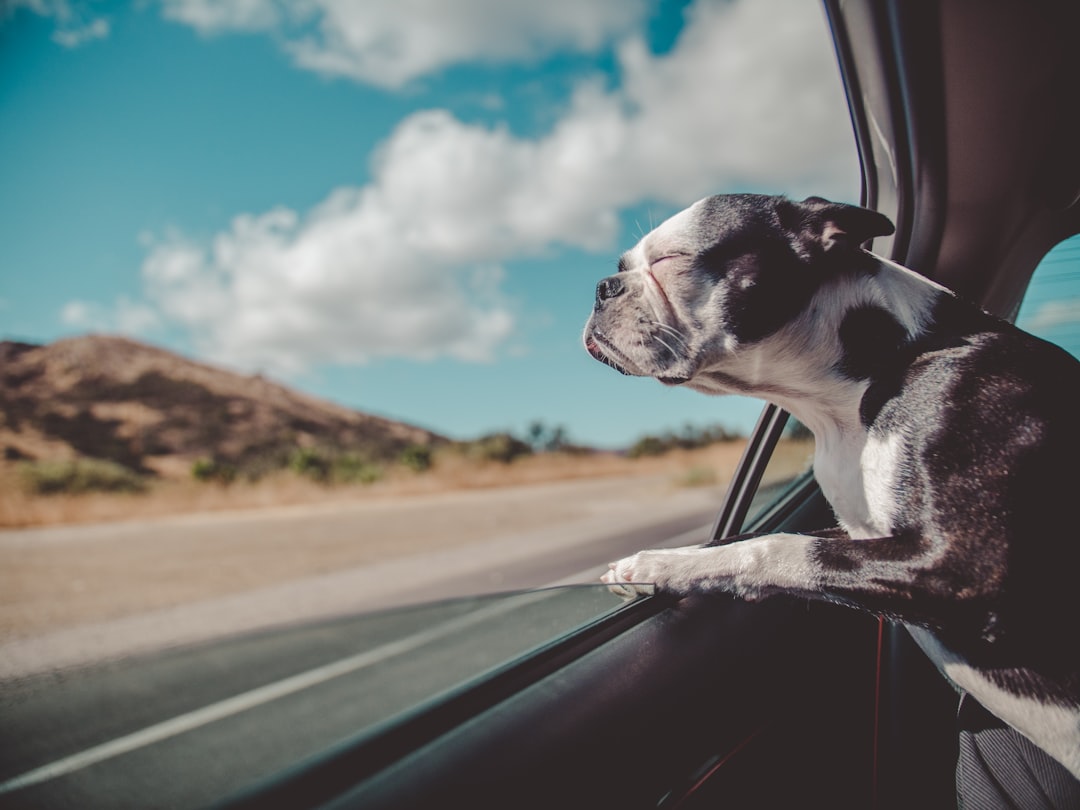
Photo by Avi Richards on Unsplash
The hardest part of pet travel rules 2026 is not paperwork. It is honesty. Many pets can travel beautifully; many should not. A confident young dog who settles quickly in cafés, naps during drives, and bounces back after new experiences is very different from an elderly cat with kidney disease, a reactive rescue dog who panics in elevators, or a flat-faced breed that already struggles in heat. The glossy part of pet travel is easy to imagine: a leash clipped to a café chair, a nose out the car window at sunrise, a hotel bed at the end of the day. The lived part is louder and more physical: engine vibration, luggage wheels, sliding doors, unfamiliar smells, and sudden routine changes.
Before you book anything, do a rehearsal in ordinary life. Borrow the carrier for an hour at home. Take a short local train. Sit outside a busy bakery with your dog for twenty minutes. Drive forty minutes, stop, then drive again. Watch what happens to appetite, breathing, whining, pacing, drooling, litter habits, and recovery time. Pet travel rules 2026 reward realism. A shorter trip without your pet is often kinder than a bigger, more photogenic journey together.
A pet is usually a good candidate for travel when:
- They recover quickly after new experiences and do not stay stressed for hours.
- They can settle in a carrier, crate, or harness without fighting the restraint.
- They eat and drink on schedule even in unfamiliar places.
- Their vet agrees they are fit for the route and climate.
- Their breed, age, and medical history do not raise avoidable transport risks.
It is often better to leave a pet at home or with a sitter when:
- They are very elderly, recently ill, or managing unstable chronic conditions.
- They are brachycephalic and you are considering cargo travel or hot-weather travel.
- They panic in cars, carriers, crowds, or loud indoor spaces.
- They are not yet reliably house-trained or litter-stable outside home.
- The itinerary includes multiple border crossings, long urban transit days, or non-pet-friendly attractions.
Pet travel documents and the vet timeline
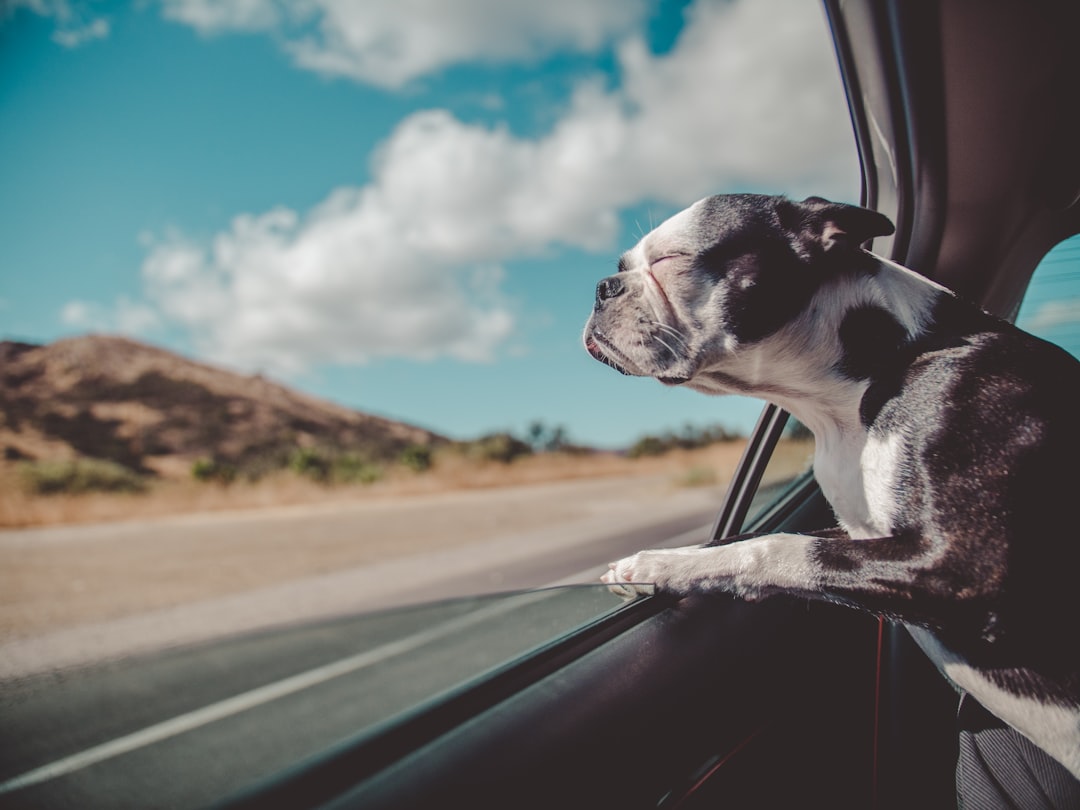
Photo by Avi Richards on Unsplash
No section of pet travel rules 2026 causes more last-minute panic than pet travel documents. Travelers often assume that if vaccines are up to date at home, they are ready to travel. They are not. What matters is not only whether the vaccine exists, but whether it was given in the right sequence, recorded under the correct microchip number, and issued within the accepted time window for the destination and transport provider. For domestic trips, requirements may be light. For international pet travel, one missing step can set the clock back by weeks or months.
The smart rhythm is to work backwards from departure. International pet travel often needs the longest runway because the order matters: microchip first in many cases, rabies vaccine next, blood testing if required, import permits where applicable, then a health certificate inside a narrow pre-departure window. Even for a domestic flight, pet travel documents should live in two forms: printed in a waterproof folder and saved digitally on your phone and cloud drive. Border officers, check-in agents, and even hotel staff love paper when batteries die.
The planning timeline below keeps pet travel documents from becoming a travel-day emergency:
| Timing | What to do | Why it matters |
|---|---|---|
| 6+ months before international travel | Check destination entry rules, age limits, microchip standards, and quarantine risks | International pet travel can require long lead times |
| 3-4 months before | Confirm microchip details, rabies timing, parasite protocols, and any titer tests | Sequence errors can invalidate the process |
| 1-2 months before | Book your pet's flight space or confirm rail/ferry policy, start crate conditioning, review hotel rules | Pet spots and pet-friendly rooms can sell out |
| 10-14 days before | Visit the vet for route-specific advice, medication review, and document check | Fixing errors is still possible |
| 24-72 hours before if required | Collect final health certificate within the accepted travel window | Airlines and borders often reject stale paperwork |
For most trips, your pet travel documents folder should include:
- Microchip registration details with your current mobile number
- Rabies certificate and full vaccination record
- Health certificate or fit-to-travel certificate if required
- Medication list and prescription copies
- Recent photo of your pet in case of separation
- Import permit, blood test results, or endorsement paperwork for international pet travel
- Printed addresses and phone numbers for your departure vet and a destination vet
A few document habits save disproportionate stress:
- Ask your vet to scan the microchip and read the number aloud while you compare it to every certificate.
- Use one surname format and one phone number format across all forms.
- Keep photos of all pet travel documents in a dedicated album for offline access.
- Put one copy in your hand luggage and one in a suitcase.
- If you are crossing borders, check official guidance directly at https://www.aphis.usda.gov/pet-travel, https://europa.eu/youreurope/citizens/travel/carry/animal-plant/index_en.htm, https://www.gov.uk/taking-your-pet-abroad, or for US dog entry rules https://www.cdc.gov/importation/bringing-an-animal-into-the-united-states/dogs.html.
Flying with pets: cabin, cargo, and airport reality
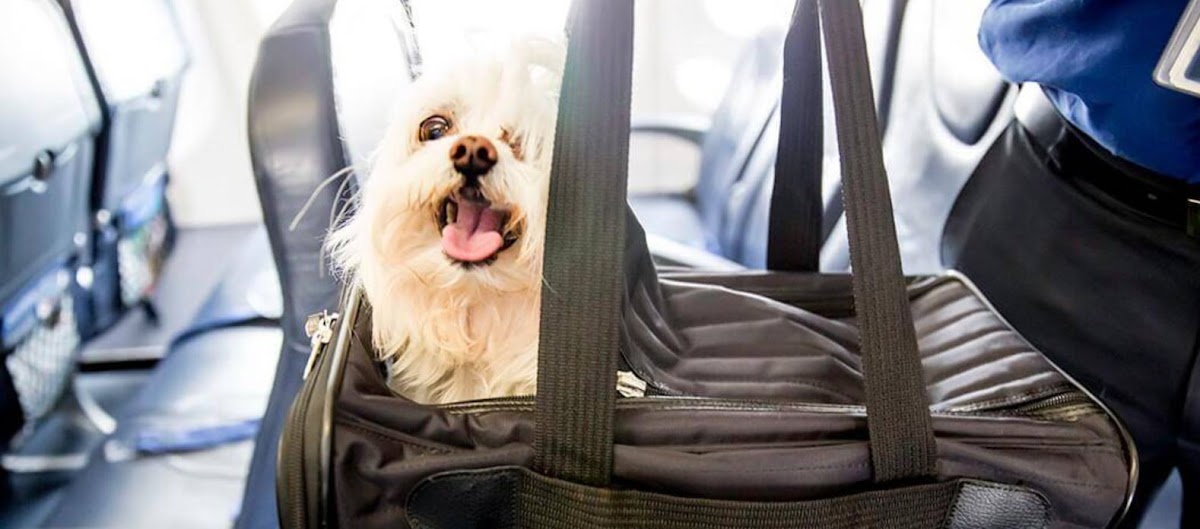
Pet Transport Ireland
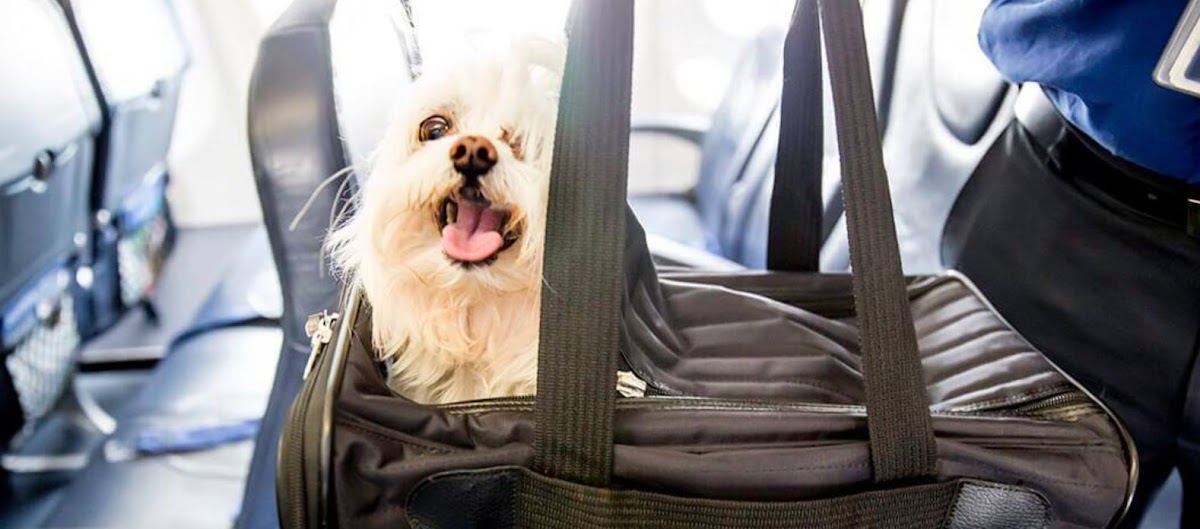
Flying with pets can feel deceptively simple when you read only the first line of an airline policy. Small pets in cabin, larger pets in cargo, fees apply — done. In practice, flying with pets is where pet travel rules 2026 become most exacting. Cabin spots are limited per flight, some routes embargo animals during weather extremes, certain breeds face restrictions, and carrier measurements are non-negotiable when the check-in desk is busy and unsympathetic. If you can book a direct flight at a cooler time of day, do it. One takeoff and one landing are kinder than a connection, even if the fare looks higher.
Airports are a sensory storm. Floors shine and echo. Announcements bounce off glass. Security staff may ask you to remove the animal from the carrier while the bag goes through screening. For dogs, that means a secure harness and a calm grip. For cats, it means a door that is zipped before you reach the belt, not after. Flying with pets is less about heroic calm and more about friction reduction: fewer handoffs, fewer line changes, less time wandering for food or water because you packed everything in reach. If you want your own airport routine tighter, this pairs well with Save Money at Airports in 2026: Beat Queues, Skip Markups, especially for trimming dead time between check-in and boarding.
The basic trade-offs for flying with pets look like this:
| Option | Best for | Typical cost | Main watch-outs |
|---|---|---|---|
| In-cabin | Small dogs and cats that fit under the seat in an approved carrier | Often $75-$200 each way | Weight limits, limited spaces, carrier dimensions |
| Cargo or checked hold | Larger animals on routes that permit it | Varies widely by size and route | Heat and cold embargoes, handling stress, breed restrictions |
| Do not fly | Flat-faced, very anxious, medically fragile, or elderly pets | Cost of sitter or boarding instead | Often the safest choice for that individual animal |
If you are flying with pets, follow this routine:
- Book the pet space the same day you book your own ticket.
- Choose a direct flight whenever possible.
- Avoid midday departures in very hot months and severe winter storm windows.
- Use an airline-approved soft carrier for cabin travel and confirm exact dimensions on your route.
- Line the carrier with absorbent padding and pack extra pads in your personal item.
- Feed lightly before departure rather than serving a full meal.
- Never sedate without direct veterinary guidance; sedation can complicate breathing and balance.
- Add two forms of ID: collar tag plus microchip, and contact details on the carrier.
- Arrive early enough to solve problems without rushing.
A few realities are worth saying clearly. Flat-faced breeds are commonly restricted from cargo because breathing risk rises under stress. Pets should never be left to chance in seasonal extremes. And if your own trip includes a red-eye or long sector, remember the human side too: a tired owner makes worse decisions. For the person holding the leash, Long Haul Flight Comfort Tips for 2026: Feel Better on Arrival is useful reading before you add a pet to the equation.
Road trip with pets: safest routines on the move
For many families, a road trip with pets is the gentlest way to travel because you control the air, the stops, the soundtrack, the pace, and the emergency exits. Dawn departures are especially forgiving. The car is cool, roads are quieter, and your pet can curl into the familiar rhythm of tires over asphalt before the day gets loud. A road trip with pets also lets you keep their own food, their own blanket, and their own smells close. That matters more than most first-time travelers expect. Familiar scent often stabilizes an animal faster than any new toy.
But the flexibility of a road trip with pets can create bad habits. People let dogs ride loose in the front seat, lift cats out at fuel stops, or promise themselves they will stop in ten minutes and then keep driving for another hour. Safe car travel is boring on purpose. The pet is restrained every time, even for a five-minute drive to the bakery. Water is offered at regular intervals, not only when the animal looks thirsty. Rest breaks happen before the dog is frantic. The car is never treated as a waiting room. Even mild weather can turn dangerous in a parked vehicle within minutes.
The structure of a good road trip with pets is simple: secure transport, predictable stops, and low-drama overnights. Aim for stops roughly every 2 to 3 hours for most dogs, with a little flexibility based on age and bladder habits. Cats generally do better with fewer escapes and more stability, so many do best staying in a secure carrier throughout the drive and using litter during longer planned breaks or at the hotel.
For a safer road trip with pets, pack and plan like this:
- Use a crash-tested harness clipped to the seat belt system, or a secured crate in the back seat or cargo area.
- Keep pets out of the front seat where airbags can injure them.
- Bring bottled or familiar water to reduce stomach upset from sudden changes.
- Pack 3 to 5 days of regular food beyond what you think you need.
- Carry wipes, waste bags, paper towels, and an enzymatic cleaner for accidents.
- Clip a leash on before any car door opens.
- Use shaded rest stops, not busy forecourts with fast-moving vehicles.
- Choose ground-floor hotel rooms when possible for easier late-night exits.
- Save the locations of 24-hour vets along the route.
A useful road rhythm for dogs is this: a brisk walk before departure, a light breakfast, two to three hours of driving, a sniff-heavy toilet break, another stretch, then a longer stop around lunch. By evening, skip the urge to squeeze out another hour if your pet is unraveling. Tired humans rationalize. Good travelers stop.
Train and ferry travel with pets
Train travel can be the secret sweet spot in pet travel rules 2026. The motion is steady, you are not dealing with airport security, and there is usually less stop-start stress than in a car. A dog can often settle beneath a seat once the station noise fades and the carriage reaches its rhythm. Cats vary more, but some cope very well in covered carriers on quieter routes. The hardest part is not the train itself; it is the station. Escalators, polished floors, whistles, crowd surges, and platform changes are where leashes, carriers, and confidence all need to work.
Rail rules are also surprisingly local. One operator allows a small pet free inside a carrier; another wants a paid ticket for a larger dog and a muzzle on board; another caps journey duration. Ferry travel is similar: some crossings offer pet-friendly cabins or kennel areas, while others require pets to remain in vehicles or designated sections. For international pet travel, sea and rail do not cancel border rules. The passport, certificate, and microchip requirements still matter when a country boundary is involved.
Use this checklist before rail or ferry travel:
- Confirm the operator's current pet policy on the exact route, not just the general website summary.
- Measure the carrier and check whether pets must remain inside it for the full journey.
- Ask whether larger dogs need a muzzle even if they are calm and leashed.
- Avoid station escalators when possible; lifts are safer for paws and carriers.
- For ferries, confirm whether pets can stay with you, need a kennel, or require a pet cabin.
- For international pet travel by land or sea, verify border documents exactly as you would for a flight.
Two route-specific realities matter in Europe. Eurostar generally does not carry ordinary pets on its cross-Channel passenger trains, while LeShuttle does allow pets in cars on the Folkestone-Calais crossing. That single policy difference changes whole itineraries. Pet travel rules 2026 are often decided less by the map than by one operator's small-print rules.
How to get there
When readers ask the best way to do pet travel rules 2026 in real life, they are usually not asking about theory. They want to know whether to fly, drive, take a train, or switch the whole plan. The best mode is usually the one with the fewest transfers, the fewest handoffs, and the lowest heat risk. That means the answer can change completely depending on the route. A one-hour flight is not automatically easier than a five-hour drive once you add check-in time, security, pet fees, and the stress of a crowded terminal.
Below are a few realistic route examples to show how transport choices shift when an animal is involved. They are not the only options, but they show the logic behind pet travel rules 2026 better than generic advice.
| Route | Best pet-friendly option | Duration | Typical cost | Notes |
|---|---|---|---|---|
| London to Paris | Drive to Folkestone and take LeShuttle to Calais, then continue by car | About 6-8 hours total from central London depending on traffic | Roughly £180-£300 for car and crossing if booked ahead, plus fuel and tolls | Eurostar does not usually allow standard pets; flights from LHR or LGW to CDG or ORY are fast but cabin pet options are limited and airport time adds stress |
| New York to Washington, DC | Drive or Amtrak on eligible pet routes | Drive 4.5-5.5 hours; train about 3.5 hours | Drive cost varies with tolls and fuel; Amtrak pet fee is often around $26 | For pets under the size limit, train can be calmer than the airport route from JFK, LGA, or EWR to DCA or IAD |
| Barcelona to Palma de Mallorca | Ferry if your pet struggles with flights; direct flight if small and cabin-ready | Ferry about 7-8 hours or overnight; flight about 50 minutes from BCN to PMI | Ferry seats from about €50-€120 plus pet fees or cabin upgrade; flight fees vary by airline | The ferry is slower but reduces airport handling and can be easier for anxious dogs |
| San Diego to San Francisco | Drive with one overnight stop or a direct flight for a confident small pet | Drive 8-10 hours; flight about 1.5 hours from SAN to SFO | Fuel and hotel vs air fare plus pet fee | Coastal breaks make the drive attractive if your dog enjoys structured stops |
A few transport rules help almost every route:
- Choose direct over fastest-on-paper if direct reduces transfers.
- Treat buses as the least predictable option; many long-distance operators allow only service animals or very small pets in carriers.
- For routes under six hours, compare train or car before defaulting to flying with pets.
- If a border crossing is involved, re-check pet travel documents even when the journey feels short.
- Price the whole trip, not only the ticket: pet fees, checked baggage, tolls, overnight stays, parking, and cleaning fees all matter.
Useful transport links for route checking:
- Amtrak pet policy: https://www.amtrak.com/pets
- LeShuttle pet travel: https://www.leshuttle.com/uk-en/travelling-with-us/travelling-with-your-pet
- USDA APHIS pet travel: https://www.aphis.usda.gov/pet-travel
Things to do
Arrival day shapes the whole trip. One of the most overlooked parts of pet travel rules 2026 is that the first few hours should feel deliberately boring. Skip the museum queue, the rooftop bar, and the marathon sightseeing loop. Your pet has just processed motion, noise, strange air, and a new sleeping place. What helps most is a low-stakes first outing: a long sniff through grass, a shady promenade, a breezy waterfront, or a wide urban park where you can both slow down and reset. The best pet-friendly activities are rarely the most famous ones; they are the ones with space, shade, exits, and enough sensory richness to tire your pet without flooding them.
That said, some places do this especially well. Good parks and promenades give structure to a travel day. They let you walk before breakfast, decompress before dinner, and tuck a tourist moment into a routine your pet understands. Below are specific places that work well as first-day or everyday outings when traveling with dogs.
- Central Park, Manhattan, New York: Start around the quieter north end or the Reservoir loop early in the morning. Wide paths, trees, benches, and multiple exits make it ideal for post-travel decompression.
- Hyde Park and Kensington Gardens, London W2: The long, leafy paths near the Serpentine are excellent for an arrival walk. Go early for fewer bikes and less picnic congestion.
- Vondelpark, Amsterdam Oud-Zuid: A forgiving first stop after train or car travel, with ponds, open lawns, and cafés around the edges where patio seating is easier than tight indoor dining.
- Englischer Garten, Munich: Enter near Schwabing for broad paths and plenty of room. The shade and river air help on warm days, and the scale of the park absorbs urban noise.
- Stanley Park Seawall, Vancouver: Cool breezes, forest scent, and long views make this a dream reset for travel-tired dogs. Choose quieter segments away from heavy cycling flows.
- Huntington Dog Beach, Orange County, California: Best for dogs who already know how to handle excitement. Sand, surf, and room to run can be magical, but it is more stimulating than a city park.
- Parc de la Ciutadella, Barcelona: A practical green pocket after urban travel, especially for early or late walks when the light is softer and the pathways are less crowded.
A strong rule for activities is simple: one new experience at a time. If you did a flight, do a quiet park next. If you did a long drive, skip the market crush. Pet travel rules 2026 are easier when the first memory your animal makes in a new place is calm.
Where to stay
Hotels can save a trip or quietly ruin it. In pet travel rules 2026, accommodation is not only about whether a property accepts animals. It is about how the property operates when real life happens: a 6 am toilet break, an elevator delay, a neighboring dog behind another door, a long corridor, a slippery lobby, a cleaning fee, or a rule against leaving the pet alone for even twenty minutes. The prettiest property photo tells you almost nothing about these daily frictions.
The best pet-friendly hotels feel easy at the edges. Street-level entry or quick lift access. Green space nearby. Hard floors rather than plush carpets if your pet has travel accidents. Clear rules in writing. A front desk that does not sound surprised when you ask where the closest late-night relief area is. For longer stays, aparthotels are often better than classic hotels because the extra floor space and kitchenette let you keep feeding routines steady.
Below are reliable starting points by budget tier. Policies vary by property and country, so always call the exact location before booking. Pet-friendly hotels are never a category you should assume is standardized.
| Budget tier | Suggestion | Typical nightly price | Why it works |
|---|---|---|---|
| Budget | Motel 6, many US locations | About $70-$120 | Often simple access, easy parking, practical for road trips |
| Budget | ibis budget, many European cities | About €65-€120 | Compact but predictable, useful near ring roads and stations |
| Budget | B&B HOTELS, Europe | About €60-€110 | Straightforward policies, decent for one-night stopovers |
| Mid-range | La Quinta by Wyndham, US | About $110-$180 | Good for road travelers who want fewer surprises |
| Mid-range | Residence Inn by Marriott | About $150-$240 | Suites and kitchenettes help with feeding and longer stays |
| Mid-range | Staycity Aparthotels, Europe | About €130-€220 | More room, practical for city breaks with a dog |
| Luxury | Kimpton Hotels | About $220-$450 | Known for welcoming pet culture at many properties |
| Luxury | 1 Hotels | About $350-$700 | Strong urban locations and more thoughtful in-room comfort |
| Luxury | Four Seasons | About $450-$900 | Often excellent concierge support, but confirm pet limits carefully |
When booking pet-friendly hotels, ask these questions directly:
- Is there a pet fee, deposit, or weight limit?
- Can the pet be left alone in the room at any time?
- Are there restricted floors or room types?
- Is there nearby grass, a courtyard, or a relief area?
- Are bowls, beds, or mats available, or should you bring your own?
- Is there a quiet side of the hotel away from lifts and housekeeping rooms?
A final hotel trick: book the first night somewhere forgiving, even if later nights are more stylish. After a complicated journey, the most luxurious feeling is often a fast check-in, a short walk outside, and a door that closes softly behind you.
Where to eat
Food becomes a scheduling tool when you travel with an animal. The best dining plan under pet travel rules 2026 is not to chase the hottest reservation but to build your meals around patios, market edges, take-away windows, and quiet hours. A sleepy dog at 3 pm on a shaded terrace is easy company. The same dog at 8:30 pm after a missed walk and two delayed courses is not. Cats, of course, usually make this simpler by staying in the room while you rotate meals carefully around them, but even then the hotel's rule on unattended pets matters.
For dogs, outdoor dining works best when you arrive after exercise, choose a table with space beside you rather than under everyone else's chair, and carry your own collapsible water bowl. Never rely on restaurants to supply one. And never treat local human food as a harmless travel souvenir for the animal. Rich sauces, onions, garlic, cooked bones, chocolate, grapes, and high-fat scraps turn charming evenings into veterinary visits.
Good food areas for travelers with dogs include:
- Lazy Dog Restaurant & Bar, multiple US cities: One of the most reliable patio options if you want a predictable stop on a road trip with pets.
- Testaccio, Rome: A strong neighborhood for markets and outdoor tables. Humans can eat trapizzino, supplì, or cacio e pepe nearby while the dog rests after a long walk.
- Cais do Sodré riverside area, Lisbon: Better for kiosks, take-away, and open-air seating than tight indoor restaurants. Go early evening for breeze and space.
- South Congress, Austin: Patio-heavy cafés, taco spots, and coffee bars make it one of the easier urban meal districts with a dog.
- Le Marais, Paris: The terrace culture helps, especially for a simple café stop or falafel lunch, but choose wider pavements and quieter times.
- Oud-West near Vondelpark, Amsterdam: Excellent for coffee, brunch, and slow patio breaks after a park walk.
A practical eating rhythm keeps everyone happier:
- Walk first, then sit down.
- Pick lunch over dinner when possible; daylight and lower crowds help.
- Carry water and a mat or folded scarf so your pet has a clear place to settle.
- Keep the leash short enough to avoid service paths but long enough for comfort.
- If your pet cannot settle in ten minutes, switch to take-away and move on.
Practical tips
The most useful part of pet travel rules 2026 is often not the headline rule, but the season, timing, and tiny habit that prevents a bad hour. A route that is easy in October can be punishing in July. A charming old quarter can become exhausting if every pavement is hot stone and every meal starts at 9 pm. Practical travel with pets means adapting the human dream of a place to the animal reality of it: surface temperature, shade, noise, toilet timing, and recovery space.
Shoulder seasons are often the sweet spot. Air is cooler, sidewalks are less punishing, and trains, hotels, and restaurant terraces are less packed. If you are planning international pet travel, shoulder season also gives you more room to absorb paperwork delays without hitting peak-price travel days. For digital organization, keep scans, operator confirmations, and route notes grouped on your phone; Travel Apps for Every Trip in 2026: The 7-Icon Rule is a smart framework for keeping the travel side lean while your pet travel documents stay accessible.
Here is a practical season guide:
| Season | Conditions for pets | Best use |
|---|---|---|
| March to May | Cool to mild temperatures, lighter crowds | Excellent for cities, road trips, and first-time pet travelers |
| June to August | Heat risk, hot pavements, crowded transport hubs | Early-morning activities only; avoid cargo and long parked-car gaps |
| September to November | Often ideal weather, calmer routes, easier hotel availability | One of the best windows for pet-friendly travel |
| December to February | Cold stress, storm delays, salted pavements in some cities | Fine for hardy pets with the right gear, but plan around weather disruptions |
Keep these practical rules close:
- Best months: Aim for April, May, September, or October when possible.
- Weather: Check not just air temperature but pavement temperature and humidity. Hot stone and asphalt matter.
- Packing: Bring food, medication, wipes, towel, blanket, toy, harness, spare leash, litter supplies if needed, and extra absorbent pads.
- Customs and local rules: Some cities and transport networks expect muzzles for larger dogs on trains or in stations, even if the dog is calm.
- Currency: Carry a little local cash for rural tolls, pet fees, or small cafés, but keep most payments digital so you can manage leash and wallet one-handed.
- Safety: Never leave a pet alone in a parked car or unattended in a hotel room unless the property explicitly allows it and your animal can cope calmly.
- Connectivity: Use an eSIM or local SIM so your vet contacts, hotel, and navigation work without delay. Save maps offline too.
Useful links for ongoing checks:
- USDA APHIS pet travel: https://www.aphis.usda.gov/pet-travel
- EU travel with pets rules: https://europa.eu/youreurope/citizens/travel/carry/animal-plant/index_en.htm
- GOV.UK taking pets abroad: https://www.gov.uk/taking-your-pet-abroad
- CDC dog entry rules for the US: https://www.cdc.gov/importation/bringing-an-animal-into-the-united-states/dogs.html
- BringFido for finding pet-friendly hotels and restaurants: https://www.bringfido.com/
FAQ
Can I bring my dog or cat in the airplane cabin?
Often yes, if the pet plus carrier fit the airline's size and weight rules and the carrier fits under the seat. Flying with pets in cabin usually works best for small dogs and cats, but spaces are limited and must be booked early. Pet travel rules 2026 are strict about dimensions and route-specific limits.
What pet travel documents do I need for a domestic trip?
That depends on the country and carrier, but common pet travel documents include proof of rabies vaccination, microchip details, and sometimes a recent health certificate. Even when a carrier does not require paper at check-in, it is wise to travel with it.
How often should I stop on a road trip with pets?
For most dogs, every 2 to 3 hours is a good target. A road trip with pets goes better when stops are proactive rather than desperate. Cats often do better with fewer escapes and more stable carrier time, with litter offered during longer planned breaks or at the hotel.
Are pet-friendly hotels really reliable?
Some are excellent, some are pet-tolerant rather than genuinely welcoming. Always call the exact property to confirm fees, weight limits, whether pets can be left alone, and where relief areas are located. Pet-friendly hotels vary enormously even within the same brand.
How early should I start planning international pet travel?
For international pet travel, start at least 6 months ahead if there is any chance of blood tests, permits, endorsements, or country-specific sequencing rules. Pet travel rules 2026 reward early planning more than almost any other kind of trip.
Travel with pets is never effortless, but it can be deeply enjoyable when the route respects the animal instead of forcing the animal to fit the route. The trips that work best are not the most ambitious ones. They are the ones paced around shade, calm, routine, and realistic transit choices.
If you remember one thing, let it be this: your pet does not care whether the journey looks impressive on paper. They care whether it feels safe. Build the trip around that feeling, and almost every other part gets easier.