Porto Solo Travel 2026: A Street-Smart Guide to Going Alone
More people are traveling solo than ever, and porto solo travel is one of the rare trips that feels both cinematic and manageable on day one. You land to Atlantic light, blue-and-white tiles, steep lanes, the smell of coffee and river air, and a city that rewards wandering without demanding constant vigilance. If you want the freedom of traveling alone safely without the emotional drain of a high-stress mega-city, Porto is a smart place to start.
What makes Porto special is not that nothing ever goes wrong. It is that the city gives you room to build good habits. Distances are short. Public transport is simple. Neighborhoods have distinct personalities. Cafes are welcoming to people dining solo, and a loose, international rhythm runs through hostels, wine bars, bookstores, surf buses, and riverside walks. That combination makes porto solo travel ideal for anyone who wants independence without chaos.
This guide is built around a practical idea: safety is not one dramatic move but a chain of small, repeatable routines. Choose the right neighborhood. Land with a transfer plan. Know which streets feel lively after dark and which ones empty out. Keep one backup card, one backup route, and one quiet place to reset. That is how Porto for solo travelers becomes less about fear and more about freedom.
If you like seeing your hotel, airport route, and fallback options on one map before you fly, I sometimes sketch that first-day plan in TravelDeck so I can see distances at a glance and avoid making tired decisions after landing.
Why Porto works so well for solo travelers
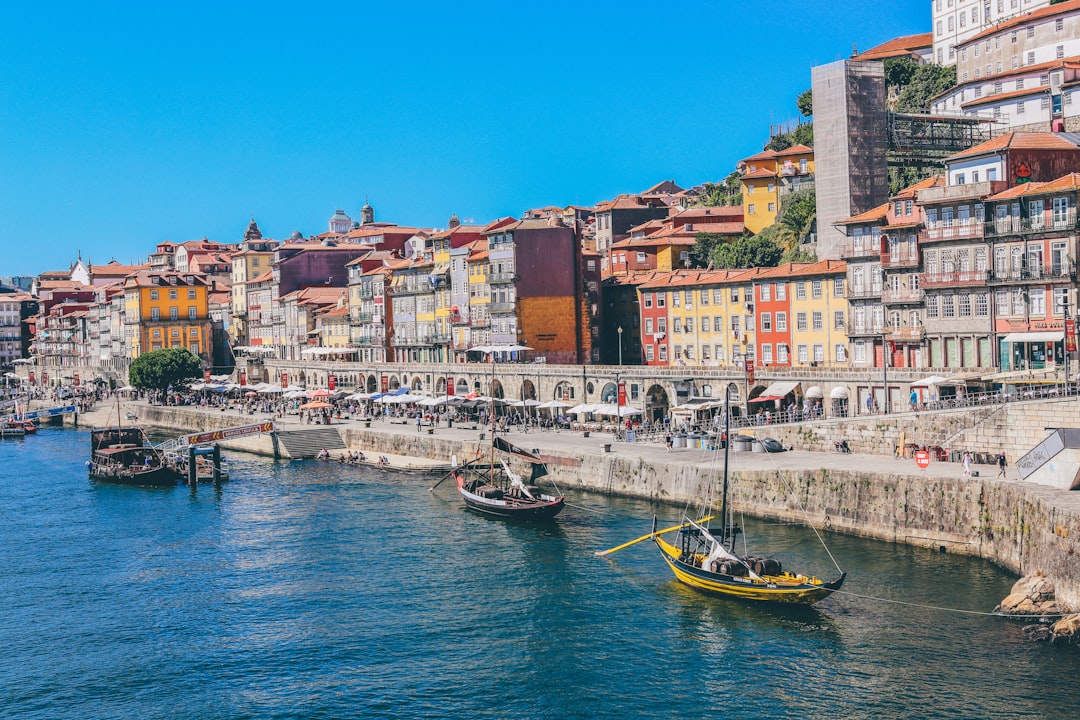
Photo by Nick Karvounis on Unsplash
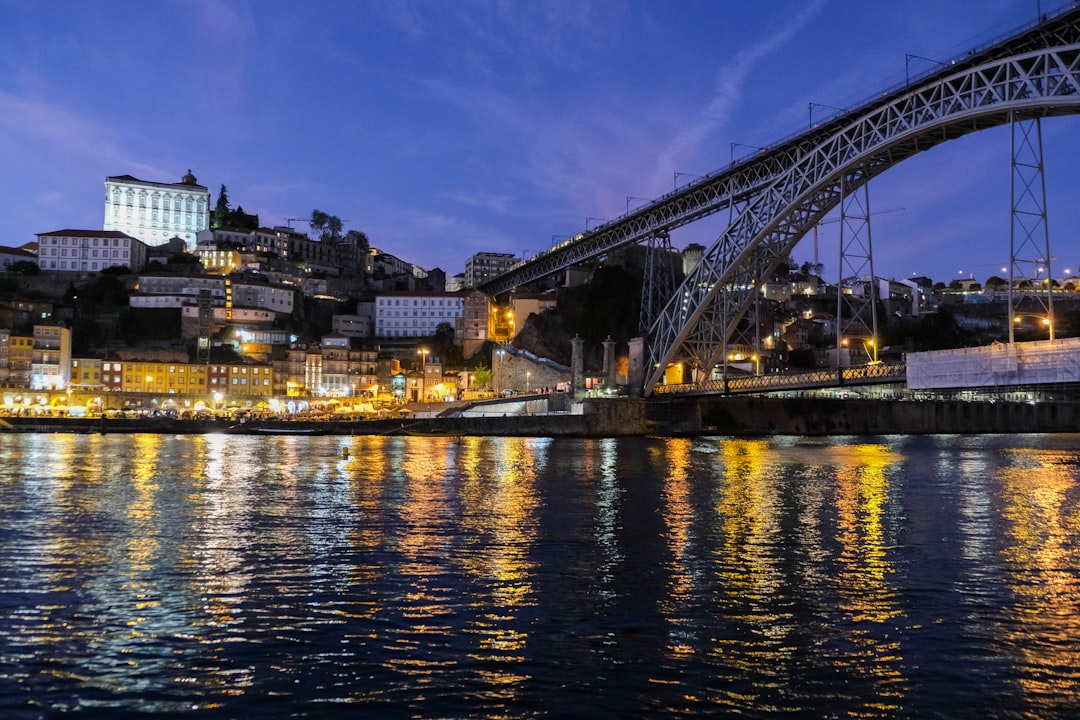
Porto is beautiful in the way that makes you slow down. Laundry hangs from balconies in Miragaia, church bells drift over the hill from Sé, and the Douro flashes silver under the Dom Luís I Bridge. The city has drama, but it is intimate drama. Instead of long cross-town commutes, you get steep ten-minute walks between viewpoints, bakeries, galleries, and tram stops. For people focused on traveling alone safely, that scale matters. It is easier to notice your surroundings, easier to change plans, and easier to return to your room before you are overtired.
There is also a social softness to the place. Porto for solo travelers is not the same as a party island or a hard-charging capital where every meal feels like a negotiation. You can sit at a counter with caldo verde and bread, linger over coffee in Cedofeita, or join a port cellar tour in Gaia and strike up conversation without pressure. Even silence feels acceptable here. That makes the city especially good for introverts, first-timers, and anyone recovering from travel burnout.
Still, solo travel safety in Porto depends on understanding its texture. The risk is usually not violent drama; it is small lapses. A phone set on a table at a crowded terrace. A late-night stumble on slick cobbles after too much port. A badly chosen apartment on a dark side street because the price looked good. Porto rewards the traveler who pays attention.
A few reasons porto solo travel works so well:
- The historic center is walkable, with many major sights clustered between Baixa, Ribeira, and Cedofeita.
- Porto Airport is efficient and well connected by Metro Line E.
- Solo dining is easy in tascas, markets, wine bars, and bakery counters.
- English is widely spoken in central areas, especially in hospitality.
- Organized walking tours, food tours, surf trips, and Douro tastings make meeting people easy.
- Prices are friendlier than many Western European city breaks, especially outside peak summer weekends.
Porto solo travel starts with a safer arrival plan
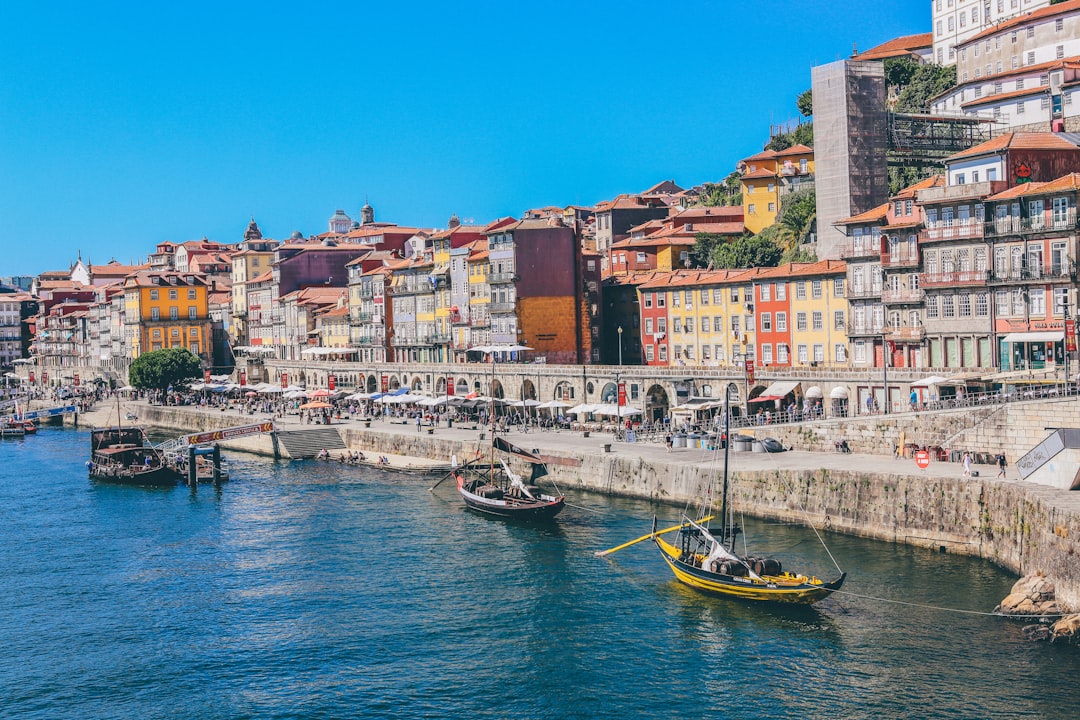
Photo by Nick Karvounis on Unsplash
The most vulnerable point of any solo trip is the first three hours after landing. You are carrying your full bag, your phone battery is lower than you thought, your body clock is off, and every street name looks less familiar than it did on your laptop. In Porto, the fix is simple: do not improvise your arrival. Before departure, save your hotel address offline, screenshot the exact route from airport to stay, and know what you will do if the metro is delayed or your flight lands late.
At Francisco Sá Carneiro Airport, known as OPO, the mood is usually calm. Follow signs to the metro station attached to the terminal, buy an Andante card, and take the purple E line toward Trindade if you are staying central. The trip is easy, but easy does not mean thoughtless. Keep your phone in your hand only when you need it. If you are arriving after 22:30 with heavy luggage or your accommodation is in a steep lane, paying for a rideshare can be the more sensible choice.
For porto solo travel, I like a first-night rule: spend money to reduce friction. That might mean booking one hotel night instead of a cheaper apartment, choosing a more central area, or taking a Bolt from the airport rather than navigating a final uphill connection with a backpack after midnight. Solo travel safety often looks boring from the outside. That is the point.
Use this arrival checklist before wheels-up:
- Save your passport scan, insurance details, and first-night booking in secure cloud storage.
- Share your hotel name and arrival window with one trusted person.
- Download offline maps for Porto and Vila Nova de Gaia.
- Carry one bank card separate from your main wallet.
- Pre-book or at least price-check airport transfer options before departure.
- Learn a few useful Portuguese phrases such as ajuda, polícia, and estou perdido or perdida.
Solo travel safety in Porto by neighborhood
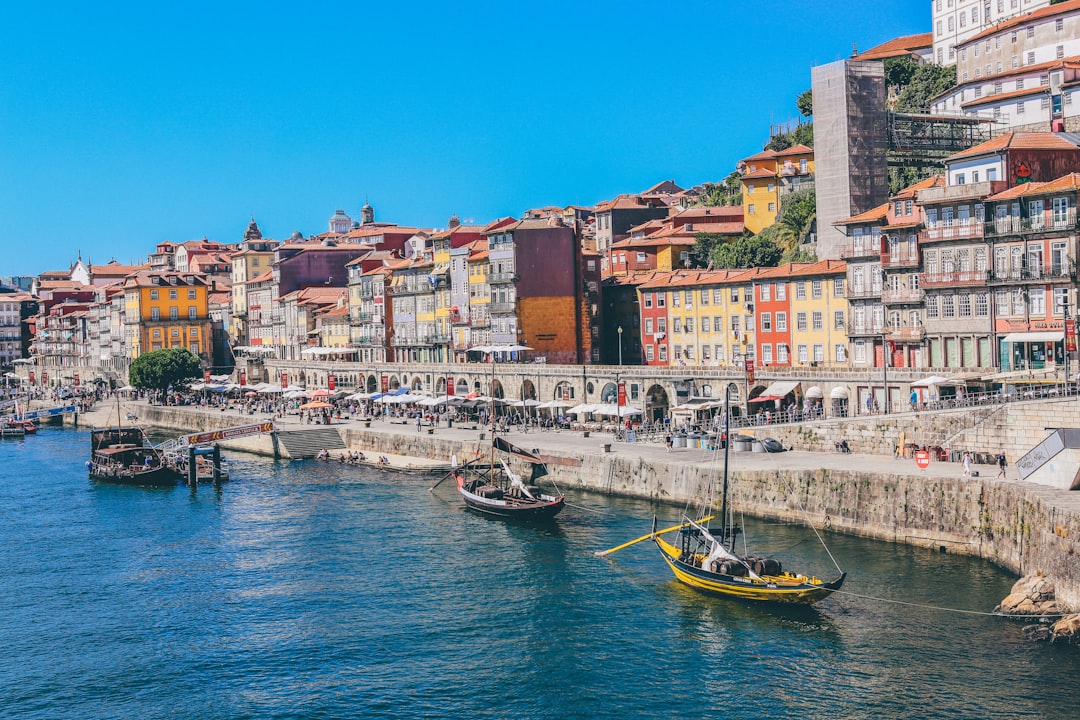
Photo by Nick Karvounis on Unsplash
Neighborhood choice shapes almost every part of traveling alone safely: noise, walkability, dining options, how easy it is to return at night, and whether your morning starts with coffee or confusion. Porto is not huge, but it changes block by block. One street may be lined with boutiques and natural wine bars; the next may be steep, quiet, and dim after midnight.
For most travelers, the sweet spot is central but not too exposed to late-night noise. Baixa and parts of Cedofeita are excellent bases for porto solo travel because they put you near transport, cafes, and foot traffic without trapping you inside the loudest bar zone. Ribeira is gorgeous, especially for a first visit, but it can feel tourist-heavy and more expensive. Foz do Douro is elegant and calm, yet less convenient if you want to walk everywhere. Gaia works well if views and wine cellars matter more than being on Porto's side of the river.
Porto for solo travelers becomes easier when you book by street feel, not just by neighborhood name. Read recent reviews for phrases like quiet at night, well lit, easy walk, tram outside, and felt safe returning alone. That tells you more than star ratings.
| Neighborhood | Best for | Night feel | Typical price | Solo safety note |
|---|---|---|---|---|
| Baixa | First-timers, easy access | Busy, central, mixed noise | Mid-range | Great base near Trindade and Aliados; check for weekend street noise |
| Cedofeita | Cafes, galleries, calmer evenings | Lively but less frantic | Budget to mid-range | One of the best areas for porto solo travel if you want atmosphere without chaos |
| Ribeira | River views, postcard setting | Busy with tourists, quieter late | Mid-range to luxury | Beautiful but choose a place with easy luggage access and strong reviews |
| Sé | Historic lanes, quick old-town access | Mixed, some quieter pockets | Budget to mid-range | Stay on well-reviewed streets; some lanes feel empty late |
| Boavista | Business hotels, wider avenues | Calm, practical | Mid-range to luxury | Good for a quieter trip and easy airport access |
| Foz do Douro | Beach walks, upscale calm | Relaxed and residential | Mid-range to luxury | Lovely for repeat visitors; rely more on bus, tram, or rideshare at night |
| Gaia riverfront | Wine cellars, bridge views | Scenic, mixed tourist flow | Mid-range | Fine for solo travel safety, but expect uphill walks and river crowds |
My short take on where to stay in Porto if safety and ease matter most:
- Best overall: Cedofeita or upper Baixa
- Best for one-night stopovers: near Trindade or Aliados
- Best for quiet evenings: Boavista or Foz
- Best for romance and views, less ideal for logistics: Ribeira or Gaia riverfront
The daily rhythm that makes traveling alone safely easier
Cities feel different at 08:00, 15:00, and 23:30. Porto is no exception. In the morning, the center belongs to commuters, bakery regulars, delivery vans, and soft light on old stone. Midday brings tour groups around São Bento, Clérigos, and Livraria Lello. Night shifts the energy toward Galerias de Paris, bars near Rua Cândido dos Reis, and restaurant clusters in Ribeira and Cedofeita. The trick is not avoiding the city after dark. It is learning its rhythm so you move with it instead of against it.
For porto solo travel, a strong day usually begins with one anchor point and one return plan. Maybe your morning anchor is coffee at Combi or a pastry near Bolhão, and your return plan is knowing whether you will walk back through Aliados, hop on the metro, or order a Bolt. Once that decision is made early, you stop spending mental energy on every little choice.
Solo travel safety improves fast when your daily routine lowers decision fatigue. Keep your accommodation card in your pocket. Charge your phone at breakfast, not when it is already at 8 percent. Carry a compact umbrella in winter and shoes with grip year-round; Porto's polished stones can be slippery after rain. If you plan to drink port wine, decide before dinner how you are getting home.
Simple routines that help Porto for solo travelers:
- Walk with purpose on steeper or quieter streets, especially after dark.
- Keep your phone zipped away in crowded viewpoints and on tram platforms.
- Use a crossbody bag worn in front in Ribeira, on the bridge, and around São Bento.
- Avoid flashing your room key, hotel name, or full itinerary in public.
- If a street feels too empty, reroute to a brighter avenue even if it adds five minutes.
- Stay sober enough to navigate stairs, cobbles, and bridge approaches confidently.
How to meet people without dropping your guard
One of the best surprises of porto solo travel is how naturally conversation happens. You do not need to force hostel games or bar crawls if that is not your style. Porto gives you soft social settings: port tastings in Gaia, tiled churches with guided walks, tiny wine bars with communal counters, surfing day trips to Matosinhos, and hostels where people are planning Douro Valley outings over breakfast.
The safest way to be social is to meet people around an activity rather than around pure nightlife. A cooking class, a guided food walk, a free city tour, or a sunset river cruise creates a built-in structure. You know where you are, why you are there, and when it ends. That is much easier for traveling alone safely than depending on strangers to shape your night.
Porto for solo travelers also works because it is easy to set boundaries here. You can join for one drink, skip the next venue, or head back across town before things get messy. If you feel pressure to stay out longer than you want, that is a signal to leave. Independence is the whole point.
Safer ways to meet people in Porto:
- Book a morning or afternoon walking tour on your first full day.
- Choose hostels with common areas but also private or female-only room options if you want flexibility.
- Join a wine cellar tour in Gaia rather than only late-night bar hopping.
- Take a surf lesson in Matosinhos if you want an easy shared experience.
- Sit at counters in casual places such as Casa Guedes or market stalls where conversation feels natural.
- Tell new acquaintances only broad plans, not your exact room number or full accommodation details.
If you want to keep your phone uncluttered while you travel, Travel Apps for Every Trip in 2026: The 7-Icon Rule is a useful read before departure.
Money, documents, and backup systems for solo travel safety
The most useful solo travel safety tool is not a gadget. It is redundancy. One payment method fails? You have another. Phone stolen? Your important documents are backed up. You miss the last metro? You already know the price range for a rideshare and you have enough battery to book it. These are small systems, but together they make porto solo travel feel calm.
Portugal is card-friendly, but not every tiny cafe, kiosk, or old-school bar loves foreign cards for small amounts. Cash still helps, especially for pastries, market snacks, or under-the-radar neighborhood spots. At the same time, walking around with all your cards and all your cash in one wallet defeats the point. Split what you carry.
For traveling alone safely, I like the two-pocket rule. Daily wallet in one place, reserve card and emergency cash in another. Add one digital backup: a note with embassy numbers, insurance contacts, and accommodation addresses accessible offline. If you lose something, the trip keeps moving.
A simple backup system for porto solo travel:
- Main card for daily spending
- Backup card from a different network, kept separate
- €40 to €80 emergency cash hidden in a secondary pocket or bag compartment
- Passport left locked in your accommodation unless needed
- Printed copy of hotel address and check-in details
- Phone set with screen lock, remote tracking, and emergency contact info
For dining and market snacking, especially around Bolhão or pop-up stalls at festivals, it also helps to know the difference between lively and careless eating. Street Food Safety Abroad in 2026: Eat Like a Local covers the habits that matter most.
Porto for solo travelers who want culture, not just caution
A safe trip still has to feel like a trip. Porto is at its best when you let the city seduce you a little: azulejo-covered chapels catching late sun, cello music echoing inside a station hall, the yeast-and-butter smell from a bakery before the shutters fully rise. Safety matters, but if you overcorrect, you miss the reason you came.
This is why porto solo travel works best with gentle structure. Plan the skeleton, then let the details breathe. Choose one major sight, one meal you care about, one neighborhood you want to drift through, and one viewpoint for sunset. Leave the rest open. Porto will fill it in with church facades, tiled staircases, tram bells, and bars you only notice because you are alone enough to stop.
Traveling alone safely is not about shrinking your world. It is about creating enough stability that curiosity can expand it. In Porto, that can mean walking from Clérigos to Vitória, hearing glasses clink from hidden courtyards, then deciding on a whim to keep going all the way to the river because the evening is warm and the bridge has turned gold.
How to get there
Reaching Porto is refreshingly simple, which is one reason porto solo travel works so well for a first or second solo city break. Francisco Sá Carneiro Airport, or OPO, sits about 11 km north of the center and connects efficiently to Baixa by metro, taxi, and rideshare. Unlike cities where the airport commute becomes an extra project, Porto makes the final stretch manageable even if you arrive tired.
The one thing to remember is topography. Some addresses that look central on a map are up sharp hills or down stair-heavy lanes. If you are staying in Ribeira, Sé, or an older guesthouse on a narrow street, the cheapest transport option is not always the best one. Solo travel safety includes arriving with enough energy to notice your surroundings.
| Route | Duration | Typical cost | Best for | Notes |
|---|---|---|---|---|
| OPO to Trindade by Metro Line E | 27-30 min | about €2.75 including Andante card on first ride | Budget travelers with light luggage | Buy Andante card and validate before boarding |
| OPO to Baixa by Bolt or Uber | 20-30 min | €18-€28 | Late arrivals, heavy bags, first night ease | Price varies with demand and weather |
| OPO to Ribeira by official taxi | 25-35 min | €25-€35 daytime | Door-to-door convenience | Use official airport rank |
| Lisbon Oriente to Porto Campanhã by Alfa Pendular | 2h50-3h00 | €25-€45 booked ahead | Fast intercity arrival | Continue by metro or local train to São Bento |
| Lisbon Oriente to Porto Campanhã by Intercidades | 3h05-3h20 | €20-€35 | Budget rail choice | Slightly slower but reliable |
| Coimbra-B to Porto Campanhã by train | 1h10-1h40 | €8-€20 | Add-on Portugal itinerary | Frequent service |
| Vigo to Porto by bus | 2h30-3h00 | €9-€20 | Spain plus north Portugal route | FlixBus and other operators run this |
Useful official links:
- Porto Airport: https://www.ana.pt/en/opo/home
- Metro do Porto: https://www.metrodoporto.pt/
- Andante tickets: https://andante.pt/en/
- Portuguese rail: https://www.cp.pt/passageiros/en
- Tourism info: https://visitporto.travel/en-GB
Arrival advice by traveler type:
- First solo trip: take a rideshare or taxi if landing late, in rain, or with large luggage.
- Carry-on traveler staying near Trindade or Aliados: metro is excellent.
- Staying in Ribeira, Sé, or steep old-town lanes: compare metro plus walk versus direct car before you decide.
- Coming from Lisbon: train is easier and less stressful than flying once airport time is included.
Things to do
Porto does not need a frantic itinerary. The city reveals itself through layers: the thunder of wheels crossing the bridge, the faded facades behind laundry lines, the smell of grilled sardines near the river, the chill inside a baroque church after an uphill walk. For porto solo travel, the best activities are the ones that give you both beauty and orientation. Once you have seen the city from above and from the water, the map in your head becomes far more useful.
This is also where Porto for solo travelers shines. Many highlights are easy to enjoy alone. You do not need a group to appreciate tilework at São Bento or the wind at Foz. You can linger exactly as long as you want. And because the city is compact, you can combine several sights in a calm, low-risk day rather than commuting across a sprawling metropolis.
Here are the best things to do in Porto if you are traveling alone safely and want substance, not just box-ticking:
- Walk the Ribeira waterfront and cross the Dom Luís I Bridge
- See the azulejos at São Bento Station
- Climb the Clérigos Tower
- Browse Livraria Lello, but choose your timing carefully
- Eat and people-watch at Mercado do Bolhão
- Take a port cellar tour in Vila Nova de Gaia
- Ride or bus out to Foz do Douro
- Watch sunset from Jardim do Morro or Miradouro da Vitória
A few half-day ideas if you have more time:
- Douro Valley wine day trip, best booked with a reputable operator
- Matosinhos beach plus seafood lunch
- Serralves Museum and gardens in Boavista
- Igreja do Carmo and Igreja dos Carmelitas for striking facades
- Rua de Miguel Bombarda galleries on a slow afternoon
Where to stay
Where to stay in Porto matters more than chasing the absolute lowest nightly rate. A room that saves €20 but leaves you climbing unlit stairs, far from transit, after midnight is rarely a bargain. For porto solo travel, prioritize three things: location, review quality, and ease of entry. Properties with 24-hour reception or smooth self-check-in instructions are worth extra attention when you are arriving alone.
I generally recommend hostels or hotels over isolated apartment rentals for first-time solo visitors. You get recent reviews, clearer expectations, staff on site, and fewer surprises with locks, keys, and dark entrances. Porto for solo travelers is easiest when your first base is boring in the best possible way: reliable, central, and well reviewed.
Budget
| Place | Area | Typical price | Why it works |
|---|---|---|---|
| The Passenger Hostel | São Bento | €28-€45 dorm, €80+ private | Inside São Bento Station area, excellent location, social but polished |
| Nice Way Porto Hostel | near Aliados | €22-€40 dorm, €70+ private | Good for meeting people while staying central |
| Rivoli Cinema Hostel | Baixa | €25-€42 dorm, €75+ private | Central base near transport and walkable sights |
Mid-range
| Place | Area | Typical price | Why it works |
|---|---|---|---|
| Moov Hotel Porto Centro | near Batalha | €95-€140 | Reliable value, easy old-town access, practical for solo stays |
| Exe Almada Porto | Baixa | €110-€170 | Good location with easier uphill logistics than Ribeira |
| PortoBay Teatro | Baixa | €140-€220 | Stylish, central, and comfortable if you want a smoother solo base |
Luxury
| Place | Area | Typical price | Why it works |
|---|---|---|---|
| Torel Avantgarde | Miragaia | €260-€420 | Design-forward with river views and a retreat feel |
| The Yeatman | Gaia | €330-€700 | Iconic views, serious wine focus, ideal for a splurge night |
| Maison Albar Le Monumental Palace | Aliados | €300-€600 | Grand hotel comfort in a very practical central location |
Quick booking advice for traveling alone safely:
- Check the last 20 reviews, not just the overall score.
- Look for comments about street noise, locks, stairs, and reception hours.
- If solo female travel is a concern, consider female-only dorms or a private room in a social hostel.
- Avoid the cheapest edge-of-center apartment unless the reviews are exceptionally clear.
Where to eat
Porto is a generous city to eat alone in. The food feels grounded and honest: soup, grilled fish, pork sandwiches, cod, pastries, wine, espresso taken standing at the counter. There is very little of the awkwardness some solo travelers fear. In fact, some of the best meals here happen in places where being alone makes you more observant. You notice the hiss of beer hitting a hot francesinha plate, the soft crackle of pastry layers, the salt in the air near the coast.
For porto solo travel, food is also practical. A strong breakfast steadies a day of hills. A market lunch helps you avoid the slump of a long formal meal. A counter seat often feels safer and easier than a hidden table at the back. If you are unsure where to begin, start traditional at lunch and lighter at dinner.
Best dishes and places to try them:
- Francesinha at Cervejaria Brasão
- Bifana or roast pork sandwich at Casa Guedes
- Cachorrinhos at Gazela
- Market grazing at Mercado do Bolhão
- Seafood in Matosinhos
- Traditional Portuguese cooking at Taberna dos Mercadores
- Pasteis de nata and coffee at Manteigaria or a local pastelaria
Useful food notes for solo travel safety:
- Lunch is often the easiest time to try famous spots without a long wait.
- Keep bags close to your chair on crowded terraces.
- Do not overdo port wine if you still need to navigate hills home.
- Around tourist strips, check menu prices before sitting down.
And because meals are also part of local respect, Unspoken Travel Rules Abroad in 2026: Be a Better Guest is worth reading before your trip.
Practical tips
Porto changes with the season, and the city you meet in February rain is not the same one glowing in late June. Winter can be moody and beautiful, with slick stones, wind off the river, and fewer crowds. Spring smells like orange blossom and warm bread, with long golden evenings that make walking irresistible. Summer is lively but busier, pricier, and louder around nightlife zones. Shoulder season is often the sweet spot for Porto for solo travelers who want energy without exhaustion.
Packing should follow the pavement, not just the forecast. Even in dry weather, Porto asks for sturdy shoes. The city is famous for views, but those views come with stairs, slopes, and polished stone. If your bag is too heavy, you will feel it by the second hill. If your shoes are too smooth, you will feel it by the first drizzle.
Best months at a glance
| Period | Weather | Crowds | Solo travel feel |
|---|---|---|---|
| March to May | Mild, fresh, some rain | Moderate | Excellent for porto solo travel, especially April and May |
| June to early July | Warm, bright, festive | High | Great atmosphere, book early and expect higher prices |
| Late July to August | Hottest and busiest | Very high | Fun but less calm for traveling alone safely if you dislike crowds |
| September to October | Warm, softer light | Moderate | Arguably the best balance of weather and ease |
| November to February | Cool, wetter | Low | Good for budget travelers who do not mind rain and shorter days |
What to pack
- Comfortable shoes with grip
- Lightweight rain jacket or compact umbrella
- Crossbody bag with secure zip
- Portable charger
- Layering pieces for wind and temperature swings
- Swimsuit if you plan a Matosinhos or Foz beach day in warmer months
Currency, payments, and connectivity
Portugal uses the euro. Cards are widely accepted, but carrying a little cash is still useful for smaller purchases. eSIM options from major providers work well, and local SIMs are easy to find if you prefer. Free Wi-Fi is common, but avoid doing sensitive banking on open networks.
Local customs and etiquette
A polite bom dia or boa tarde goes a long way. In churches, keep your voice low and dress with basic respect. Tipping is appreciated but not mandatory at American levels; rounding up or leaving a small amount for good service is normal. Dining is slower than in some countries, so do not mistake relaxed pacing for inattentiveness.
Safety notes that matter most
- Emergency number in Portugal: 112
- Pickpocket risk is highest in crowded central areas, viewpoints, trams, and stations
- Late-night party streets are fun but not the smartest place to get heavily intoxicated alone
- Rideshare apps are widely used and helpful after dark
- Keep accommodation details private when chatting with new people
FAQ
Is Porto safe for solo travelers?
Yes. Porto is widely considered one of the easier European cities for solo trips thanks to its compact center, good transport, and generally relaxed atmosphere. The main issues are petty theft, late-night overdrinking, and choosing inconvenient accommodation rather than serious danger. Porto solo travel feels safest when you stay central, keep your phone secure, and use rideshares late at night if needed.
Is Porto safe for solo female travel?
Generally, yes. Many women travel here alone without problems, especially in central neighborhoods such as Cedofeita, Baixa, Boavista, and well-reviewed parts of Ribeira. The usual solo travel safety habits still apply: avoid sharing your exact stay details, watch alcohol intake, and choose accommodation with recent positive reviews about security and staff.
How many days do I need for Porto solo travel?
Three full days is the minimum sweet spot. That gives you time for the historic center, Gaia cellars, one Atlantic-side outing such as Foz or Matosinhos, and enough breathing room to enjoy the city rather than race through it. Four to five days is even better if you want a Douro Valley day trip.
Where to stay in Porto for first-time solo travelers?
Upper Baixa, Cedofeita, and areas near Aliados or Trindade are usually the easiest. They offer strong transport links, plenty of cafes, and a better balance of convenience and calm than some of the steeper, more touristy lanes near the river.
Is Porto expensive for solo travelers?
Compared with many Western European city breaks, Porto remains relatively good value. Budget travelers can manage on roughly €70-€120 a day with a hostel, local transport, and casual meals. Mid-range travelers often spend €140-€240 a day. Summer weekends and special event dates push prices higher, especially for central stays.
A final word on Porto for solo travelers
The best thing about porto solo travel is that the city does not ask you to become a different person. You do not need to be fearless, wildly extroverted, or constantly on guard. You just need a few dependable habits and enough openness to follow a good street when it appears. Porto meets that energy beautifully.
Traveling alone safely here is less about performing confidence and more about building it, step by step: an easy airport transfer, a good first coffee, a neighborhood you understand, a sunset you reach under your own steam. By the time the river turns copper and the bridge lights come on, the city starts to feel less like a challenge and more like a conversation. That is when solo travel becomes what it is supposed to be: not a test, but a deep, steady pleasure.