Europe's biggest travel mistake is not choosing the wrong city. It is stopping at the station everyone else stops at. The best secret places in Europe are often hiding in plain sight: one ferry beyond a famous lake, one local bus past a blockbuster beach, one regional train after the obvious base. If you have ever wondered why a trip can feel crowded, expensive, and oddly rushed even in beautiful places, this is usually the reason.
The places below are not fantasy-map outposts that take three flights and a prayer to reach. They are practical detours from gateways travelers already use: Bologna, Milan, Bilbao, Ljubljana, Tirana, Vilnius, Guernsey, and Edinburgh. What changes is the rhythm. Streets get quieter after breakfast. Restaurant menus shrink and improve. Church bells, gulls, bicycle tires, and harbor ropes replace the soundtrack of rolling suitcases.
That is why this guide focuses on secret places in Europe that reward curiosity rather than bragging rights. Some are lake islands, some are cliff towns, some are wind-shaped coasts at the edge of the continent, and one has no cars at all. If you like the idea of turning a standard itinerary into something more textured, slower, and more memorable, these are the detours worth making.
Why these secret places in Europe reward slower travel
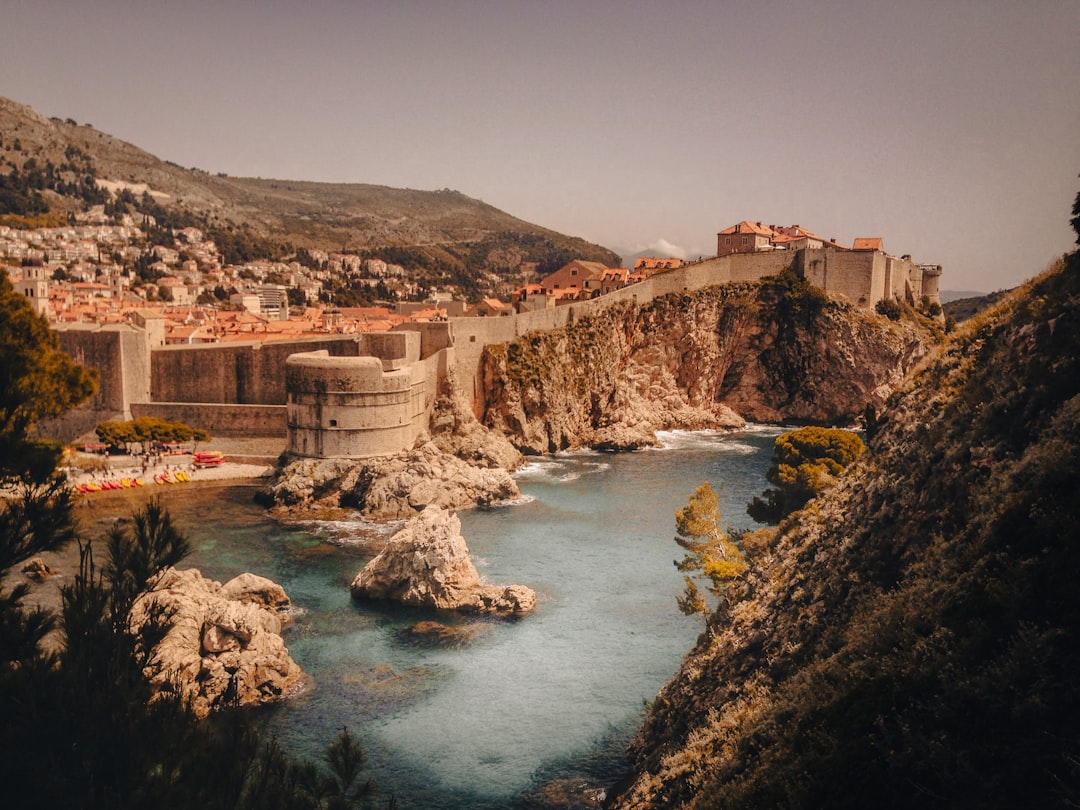
Photo by Katie Moon on Unsplash
What links these eight stops is not just that they are beautiful. It is that they make sense. Each one can be reached without turning your trip into a logistical obstacle course, and each offers a strong sense of place within one to three nights. That matters because the smartest underrated European destinations are not always the cheapest or the emptiest. They are the ones where the effort-to-reward ratio feels almost suspiciously good.
I also chose places with very different moods. Brisighella gives you medieval stone and olive oil hills. Monte Isola feels like an Italian lake dream with the volume turned down. Lekeitio brings Basque surf light and seafood. Piran folds Venetian beauty into a compact Adriatic town. Gjirokaster, Nida, Sark, and Orkney widen the map further. When I sketch routes, ferry timings, and overnight stops, I usually map them in TravelDeck first, then cross-check transport apps with Travel Apps for Every Trip in 2026: Your Smartest Phone Setup so the connections look good before I book.
| Destination | Best for | Ideal stay | Typical daily budget |
|---|---|---|---|
| Brisighella, Italy | Medieval lanes, food, gentle hikes | 1-2 nights | €95-€180 |
| Monte Isola, Italy | Car-free lake escape, cycling, slow travel | 1-2 nights | €110-€210 |
| Lekeitio, Spain | Small-town Basque coast, seafood, beach days | 2 nights | €100-€190 |
| Piran, Slovenia | Adriatic old town, sunset walks, swimming | 2 nights | €110-€220 |
| Gjirokaster, Albania | Ottoman architecture, mountain views, history | 2 nights | €60-€140 |
| Nida, Lithuania | Dunes, cycling, Baltic beaches | 2-3 nights | €85-€170 |
| Sark, Channel Islands | Car-free island, dark skies, cliff walks | 2 nights | €140-€280 |
| Orkney Islands, Scotland | Prehistory, rugged coast, road-trip scenery | 2-3 nights | £120-£260 |
How to get there
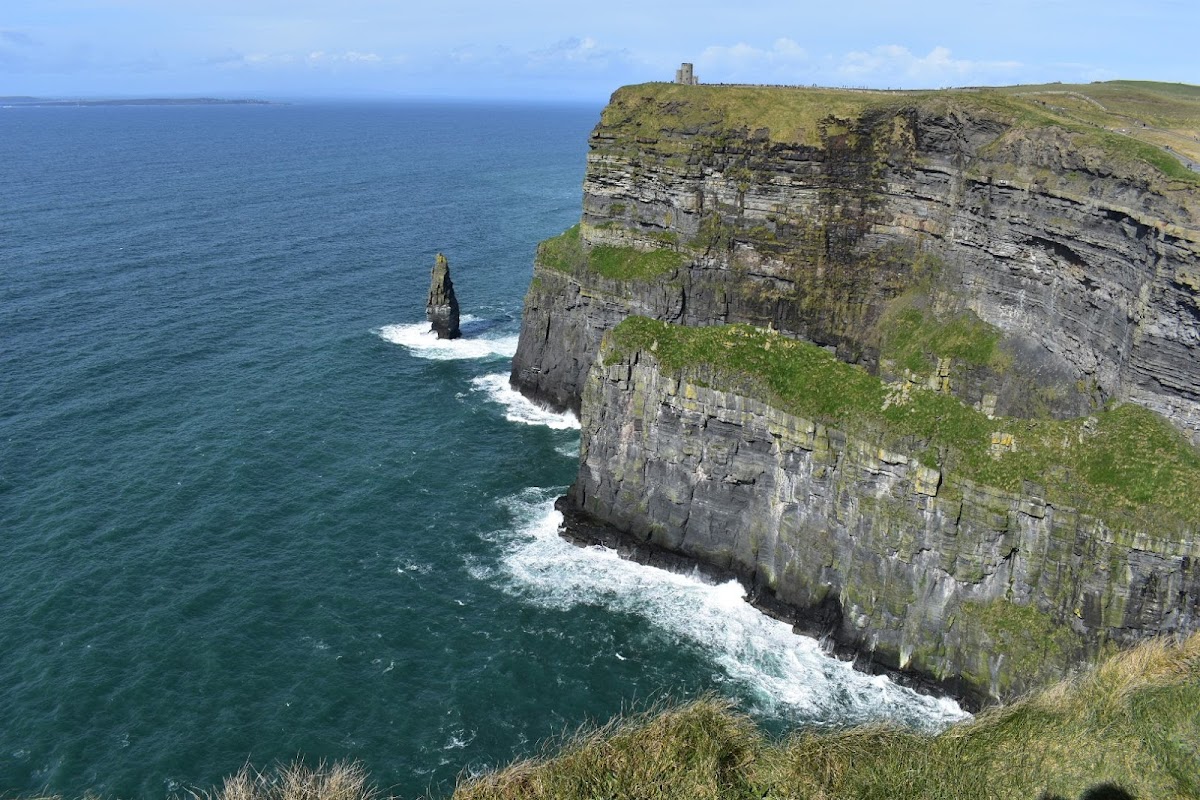
Marcelo Zambón
The easiest way to think about these destinations is by gateway, not by country. Most travelers overcomplicate hidden-route planning because they start with the final stop instead of the nearest major airport or rail hub. Once you work backward from the gateway, these journeys become much simpler than they look on a map.
A second rule: pack for transfers, not just for the photos. Ferries, stone lanes, and regional platforms punish overpacked bags fast. If you are building a rail-and-ferry trip through secret places in Europe, the logic in Carry On Packing Strategy for 2026: The Wear-Wash-Repeat Plan is far more useful than dragging a large suitcase over cobbles.
| Destination | Nearest airport or gateway | Best route | Time | Typical cost |
|---|---|---|---|---|
| Brisighella | Bologna BLQ or Florence FLR | Train from Bologna Centrale to Faenza, then regional train to Brisighella | 1 hr 15 min-1 hr 40 min | €9-€18 |
| Monte Isola | Milan MXP/LIN or Bergamo BGY | Train to Brescia, local train to Sulzano, ferry to Peschiera Maraglio | 1 hr 45 min-2 hr 30 min from Milan | €20-€35 total |
| Lekeitio | Bilbao BIO | Bizkaibus from Bilbao to Lekeitio, or rental car via the coast | 1 hr 20 min-1 hr 40 min | €6-€12 by bus |
| Piran | Ljubljana LJU or Trieste TRS | Bus from Ljubljana to Piran, or shuttle from Trieste to Slovenia coast | 2 hr 15 min-2 hr 45 min from Ljubljana | €13-€22 |
| Gjirokaster | Tirana TIA | Intercity bus or furgon from Tirana South and North Bus Terminal | 3 hr 30 min-4 hr 30 min | €12-€16 |
| Nida | Vilnius VNO or Klaipeda rail hub | Train or bus to Klaipeda, ferry to Smiltyne, onward bus to Nida | 5 hr 30 min-6 hr 30 min total | €25-€40 |
| Sark | Guernsey GCI | Taxi or bus to St Peter Port, passenger ferry to Sark | 55 min ferry, 15 min port transfer | £35-£50 return ferry |
| Orkney Islands | Edinburgh EDI, Aberdeen, or Inverness | Loganair flight to Kirkwall KOI, or NorthLink ferry from Aberdeen to Kirkwall | 1 hr flight or 6-7 hr ferry | £90-£220 flight, £35-£90 ferry foot passenger |
Useful official planning links: Trenitalia, Renfe, Euskotren and Basque transport, SNCF Connect, Isle of Sark Shipping, Orkney Ferries, VisitScotland, Lithuania Travel, Slovenia.info, and Albania's national portal.
Brisighella, Italy: one of the prettiest hidden villages in Europe
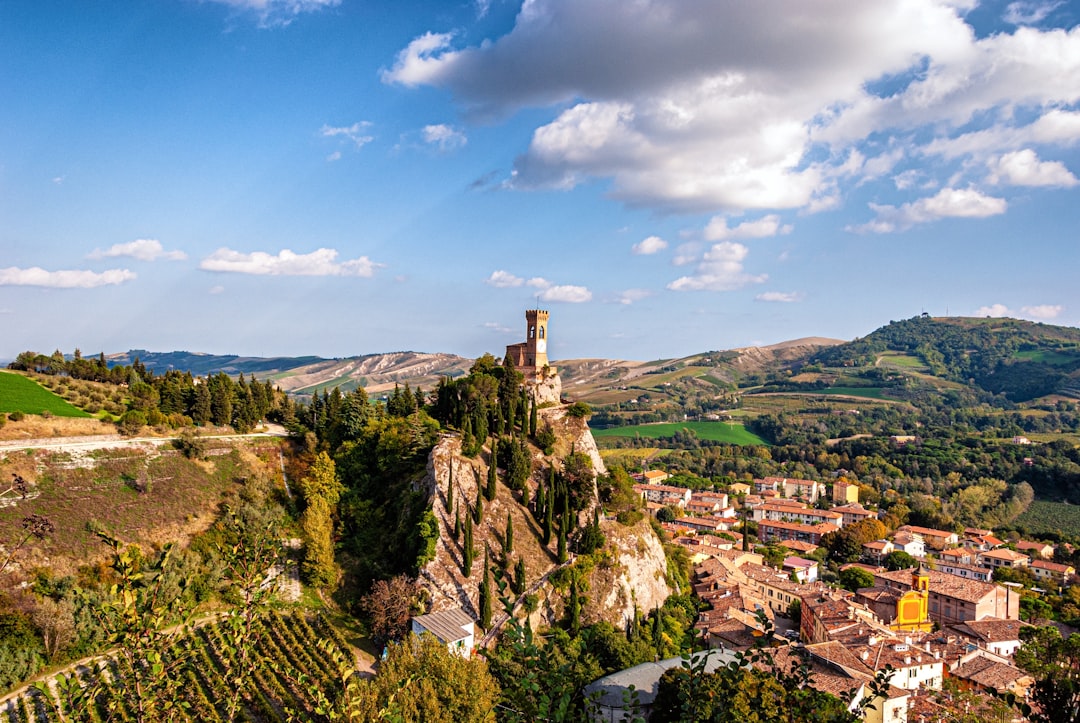
Photo by Fernando Mola-Davis on Unsplash
If Florence and Bologna are the operatic highlights of central Italy, Brisighella is the chamber music. It sits in the hills of Emilia-Romagna with terracotta roofs, pale stone, and a soft olive-green landscape that looks almost powdered in afternoon light. The first impression is vertical: fortress above, clock tower above that, a village curling under both. The second impression is scent. Olive oil, warm stone, espresso, and occasionally sulfur from the town's spa history float together in the air.
Walk slowly here and details keep appearing. The covered Via degli Asini, once used by donkey drivers, feels like a secret corridor cut into the village itself. The Rocca Manfrediana gives you the best view over tiled roofs and ridges, while the Santuario del Monticino looks outward toward the quiet folds of the countryside. This is one of those hidden villages in Europe where lunch can easily become the day: fresh pasta, local oil, Sangiovese, and no pressure to race to the next landmark.
Do not miss:
- Via degli Asini at golden hour, when the arches throw long shadows
- Rocca Manfrediana and the Clock Tower for the full village panorama
- A tasting of Brisighella DOP olive oil in an old-town enoteca
- A half-day walk between the sanctuary and the ridge paths above town
Plan it like this:
- Stay 1-2 nights
- Budget around €95-€180 per day with a guesthouse and a good dinner
- Best months are April-June and September-October
- Pair it with Bologna, Ravenna, or Faenza rather than squeezing it into Florence as a rushed day trip
Monte Isola, Italy: quiet places in Europe on the water
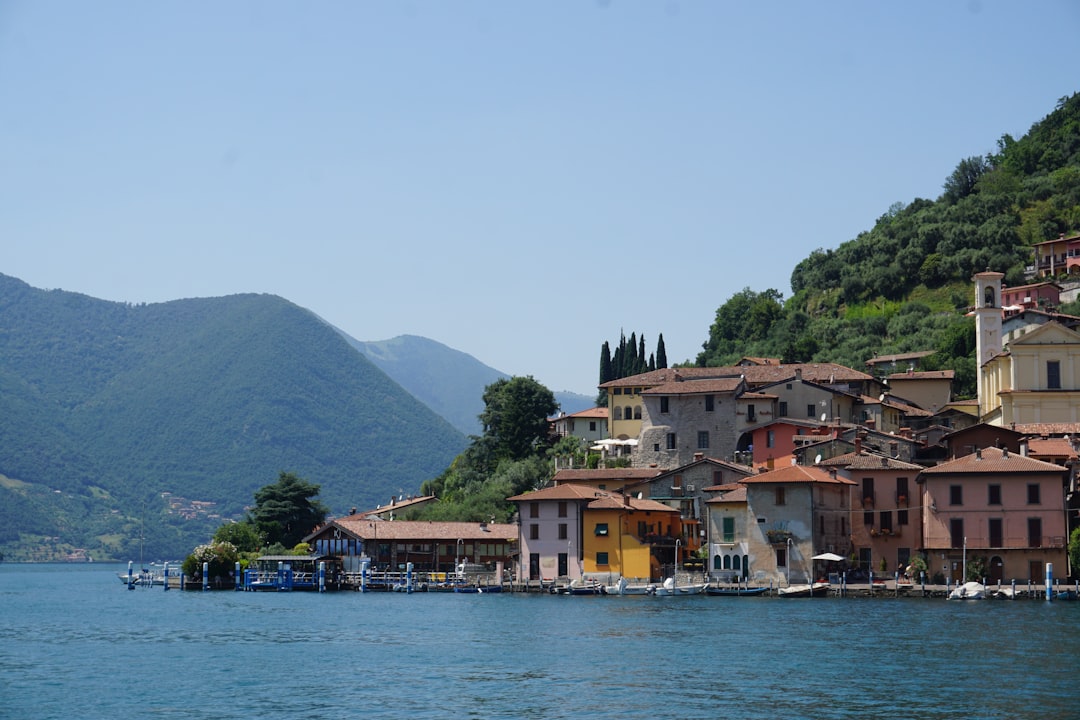
The lakes around northern Italy are hardly undiscovered, which is exactly why Monte Isola feels so satisfying. Most travelers fan out toward Como or Garda, but Lake Iseo keeps a lower profile and Monte Isola is its best reveal. Ferries slide across the water to a mountain-like island where cars are largely absent, fishing boats still define the shoreline, and the roads feel made for bicycles and unhurried shoes.
The mood changes the moment you arrive in Peschiera Maraglio. Laundry hangs above narrow lanes, church bells land softly over the harbor, and the lake light flashes silver between pastel facades. Climb to the Santuario della Madonna della Ceriola for the broad, cinematic view over the lake basin and surrounding peaks. Come back down hungry for cured fish, island salami, and a long lunch by the water. Among the quiet places in Europe that still feel genuinely lived-in, Monte Isola is unusually persuasive.
Do not miss:
- Ferry hopping from Sulzano to Peschiera Maraglio or Carzano
- Cycling the island's shoreline roads, roughly 9 kilometers around
- The uphill walk to Madonna della Ceriola for sunrise or late-afternoon light
- Lake fish and local salami at a waterfront trattoria
Plan it like this:
- Stay 1-2 nights
- Budget around €110-€210 per day depending on hotel choice
- Best months are May-June and early September
- Book ferry times in advance on weekends and holidays because day-trippers fill the boats fast
Lekeitio, Spain: Basque coast for off the beaten path Europe
Lekeitio has the dramatic ingredients of a famous seaside town and somehow still feels local. There is a graceful harbor, a Gothic basilica, beaches on both sides of town, and a tidal island you can walk to when the sea pulls back. Yet the atmosphere stays grounded in everyday Basque life: children kicking balls in the square, older couples on evening promenades, bar counters lined with pintxos, and fishing gear drying where visitors least expect it.
It is especially beautiful in the shifting weather that makes the north coast so expressive. Mornings can be pearl-gray and moody, by lunch the water turns green-blue, and sunset brings copper light across the harbor wall. Cross to San Nicolas Island only at low tide and with care, then come back for anchovies, txakoli, and grilled fish near the marina. For travelers trying to understand off the beaten path Europe without giving up beauty or good food, Lekeitio gets the balance exactly right.
Do not miss:
- Isuntza Beach for swimming close to town
- Karraspio Beach across the estuary for a broader, wilder feel
- The low-tide walk to San Nicolas Island
- The Basilica of the Assumption of Santa Maria and the harbor-front paseo
Plan it like this:
- Stay 2 nights
- Budget around €100-€190 per day
- Best months are June and September for mild weather and fewer domestic crowds
- If you drive, add the clifftop stop at Ea or the road toward Elantxobe for outstanding coast views
Piran, Slovenia: one of the smartest underrated European destinations
Piran is the kind of place people think no longer exists on the Adriatic: compact, elegant, seaworn, and small enough to understand on foot in a single afternoon, but rich enough to hold your attention longer. Venetian Gothic facades wrap around Tartini Square, church towers rise above the roofs, and the whole town seems angled toward the sea. At twilight, when the stone begins to glow and swimmers are still climbing out from ladders on the edge of the promenade, it feels improbably cinematic.
The real pleasure is how walkable it is. You can start with coffee near the square, drift uphill through lane after lane of laundry and shutters, reach the old walls for a high view over red roofs and blue water, then finish with seafood and a glass of Malvazija. Add the nearby Secovlje Salina Nature Park if you have extra time. Among underrated European destinations, Piran works because it gives you old-world atmosphere without demanding a blockbuster-level budget.
Do not miss:
- Tartini Square early in the morning before day visitors arrive
- The bell tower of St George's Parish Church for the best town-and-sea view
- The old town walls above the historic core
- A half-day trip to the Secovlje salt pans for landscape and birdlife
Plan it like this:
- Stay 2 nights
- Budget around €110-€220 per day
- Best months are May-June and September
- Park outside the old town if driving; central access is restricted and walking is easier anyway
Gjirokaster, Albania: stone lanes and mountain light
There are cities that ask to be photographed, and there are cities that ask to be listened to. Gjirokaster does both. Slate roofs tumble down the hillside, thick stone houses lean into narrow lanes, and the great castle watches over the Drino Valley like a weathered ship. In the old bazaar, the sound of footsteps on polished stones mixes with coffee cups, low conversation, and the occasional call of a merchant arranging rugs, textiles, or carved wood.
This is one of the most compelling secret places in Europe because the architecture feels inseparable from the landscape. Climb to the castle for huge valley views and an immediate sense of the town's strategic past. Then come back down to visit a tower house such as Skenduli House or Zekate House, where the interior details make the Ottoman-era scale suddenly intimate. At dinner, order qifqi, byrek, and grilled meat, then linger over mountain tea or raki. Few hidden villages in Europe carry this much weight, texture, and atmosphere.
Do not miss:
- Gjirokaster Castle and the Cold War tunnel if open during your visit
- The Old Bazaar for shopping and evening atmosphere
- Skenduli House or Zekate House to understand the town's domestic architecture
- Sunset from the upper lanes just below the castle walls
Plan it like this:
- Stay 2 nights
- Budget around €60-€140 per day, making it one of the best-value stops in this guide
- Best months are April-June and September-October
- Streets are steep and smooth from age, so wear shoes with grip rather than slick sandals
Nida, Lithuania: Baltic dunes, pines, and long light
Nida feels like the opposite of a city break. The Curonian Spit narrows into a ribbon of sand and forest between lagoon and sea, and the light has that clean northern quality that makes everything seem slightly more spacious than it is. Houses are neat and colorful, bicycles outnumber cars in many scenes, and the horizon is always doing something beautiful: wind over the lagoon, shadows moving through pines, dunes catching late sun like pale gold cloth.
The rhythm here is elemental. You cycle, walk, swim, read, and watch the weather. Parnidis Dune offers the grand Baltic view, while the Thomas Mann House adds a literary layer that suits Nida's contemplative mood. The beach on the sea side is broad and often blissfully uncrowded outside school holidays. For travelers who collect quiet places in Europe instead of nightlife districts, Nida is hard to shake from memory. It is also one of the most refined underrated European destinations for people who want nature without rough logistics.
Do not miss:
- Parnidis Dune and the sundial for sweeping views over sand and lagoon
- Cycling between Nida and nearby viewpoints through the pine forest paths
- The Thomas Mann Memorial Museum for cultural context and setting
- A long Baltic beach walk at dusk when the sky goes silver-pink
Plan it like this:
- Stay 2-3 nights
- Budget around €85-€170 per day
- Best months are June and early September
- Bring a wind layer even in summer; Baltic evenings cool down faster than they look
Sark, Channel Islands: a car-free island for off the beaten path Europe
Sark is tiny, but it changes your perception of distance almost immediately. With no private cars and very little artificial light, the island feels older than the calendar says it should. You arrive by boat, climb from the harbor, and enter a world of tractors, bicycles, horse-drawn carriages, stone lanes, hedgerows, and cliff paths that seem designed for wind rather than traffic. By the first evening, your pace drops whether you intended it to or not.
The great signature walk is La Coupee, the thin isthmus linking Big Sark and Little Sark, where sea drops away on both sides and every gust feels dramatic. But the real luxury is the quiet between highlights: garden walls warmed by sun, honesty boxes selling produce, tea rooms with thick slices of cake, and a night sky so dark the stars look almost theatrical. If your version of off the beaten path Europe involves calm rather than conquest, Sark delivers it with unusual conviction.
Do not miss:
- La Coupee in the late afternoon when the light sharpens the cliffs
- Dixcart Bay or La Seigneurie Gardens for softer, greener scenery
- Renting a bicycle or using the island's tractor taxis for hillier sections
- Stargazing after dark; Sark's low light pollution is one of its superpowers
Plan it like this:
- Stay 2 nights
- Budget around £140-£280 per day
- Best months are May-September
- Reserve ferry seats and accommodation early for summer weekends because capacity is limited
Orkney Islands, Scotland: prehistoric landscapes at the edge of Europe
Orkney does not feel hidden because it lacks substance. It feels hidden because many travelers stop at the Scottish mainland and never make the final leap north. That is their loss. The islands are full of huge skies, low green fields, sea cliffs, sudden archaeological marvels, and a light that changes by the minute. The land looks open, but the history is densely layered. You can drive past grazing sheep and, ten minutes later, stand inside one of the great prehistoric landscapes of northern Europe.
Start in Kirkwall for practical reasons, but give yourself time to get beyond it. Skara Brae, the Ring of Brodgar, the Standing Stones of Stenness, and Maeshowe form an astonishing cluster. The Italian Chapel adds a smaller, deeply human note. Then there is the coast itself: Yesnaby's sea stacks, the Brough of Birsay, salt wind, and Atlantic weather performing overhead. Of all the secret places in Europe on this list, Orkney is the one that feels most like a world complete unto itself.
Do not miss:
- Skara Brae and Skaill House on the west coast
- Ring of Brodgar and Standing Stones of Stenness
- The Italian Chapel on Lamb Holm
- Yesnaby cliffs for classic Orkney edge-of-the-world scenery
Plan it like this:
- Stay 2-3 nights minimum
- Budget around £120-£260 per day
- Best months are May-August for long daylight, though September can be wonderfully atmospheric
- A rental car is the easiest way to explore, but book far ahead in summer
Things to do
Once you have chosen your base, resist the urge to over-program every hour. The point of these secret places in Europe is not to sprint from marker to marker as if they were smaller versions of famous capitals. They work best when you combine one signature sight, one long meal, and one unstructured walk every day.
That said, some experiences are so perfectly tied to place that they should not be skipped. These are the moments that turn the trip from pretty to unforgettable, and they are the ones I would build each stop around.
- Brisighella: walk Via degli Asini, then climb to the Clock Tower and Rocca Manfrediana. Finish with an olive oil tasting near Piazza Marconi.
- Monte Isola: take the ferry from Sulzano, rent a bike in Peschiera Maraglio, and climb to Madonna della Ceriola for the wide lake view.
- Lekeitio: check the tide times, cross to San Nicolas Island only when safe, then swim at Isuntza or Karraspio and stay for pintxos on the harbor.
- Piran: start at Tartini Square, climb St George's bell tower, walk the old walls, and swim from the seafront ladders near Punta before dinner.
- Gjirokaster: visit the castle and the bazaar, then tour Skenduli House or Zekate House to understand how the town's grand families once lived.
- Nida: cycle to Parnidis Dune, stop at the Thomas Mann House, and leave time for a long beach session on the Baltic side.
- Sark: walk La Coupee to Little Sark, picnic near the cliffs, then return after sunset for one of Europe's cleanest star fields.
- Orkney: do the west mainland circuit in one day: Skara Brae, Ring of Brodgar, Standing Stones of Stenness, and Yesnaby.
If you like photography, aim early and late rather than midday. Many of these spots are built from reflective stone, water, and open sky, so the edges soften beautifully at sunrise and the hour before sunset. Midday is for museums, lunch, swimming, or transport.
Where to stay
Choosing accommodation in hidden villages in Europe is often less about brand level and more about exact location. A room within walking distance of the harbor, square, or old town saves time, cuts transfer stress, and lets you see the place in its best hours: dawn, dinner, and the quiet stretch after day visitors disappear.
For these destinations, I would generally spend slightly more for character and position rather than amenities you will barely use. A lake-facing balcony on Monte Isola or a stone-house room in Gjirokaster gives more value than a generic chain room outside town. The same logic applies to many underrated European destinations where the atmosphere outside your front door is half the reason you came.
| Budget tier | Property | Area | Typical nightly rate | Why it works |
|---|---|---|---|---|
| Budget | Stone City Hostel | Gjirokaster old town | €18-€45 | Social, atmospheric, strong location for the bazaar and castle climb |
| Budget | Hostel Piran | Piran center | €30-€70 | Excellent value in a pricey old town, easy walk to everything |
| Budget | Kirkwall Youth Hostel | Kirkwall, Orkney | £30-£45 | Practical base for drivers and bus travelers exploring the mainland |
| Mid-range | Hotel Kalemi 2 | Gjirokaster | €70-€120 | Historic-house feel with valley views and a short walk into town |
| Mid-range | Art Hotel Tartini | Piran | €130-€190 | Smart base on Tartini Square with excellent old-town access |
| Mid-range | Hotel Sensole | Monte Isola | €120-€180 | Lakefront setting, ideal for a relaxed island stay |
| Luxury | Kerculla Resort | Gjirokaster hillside | €140-€260 | Big views, pool, and a calmer edge-of-town setting |
| Luxury | Stocks Hotel | Sark | £220-£350 | One of the island's classic stays with gardens and strong service |
| Luxury | Lynnfield Hotel | Orkney mainland | £180-£280 | Comfortable splurge with a polished food focus and peaceful grounds |
For Brisighella and Lekeitio, book small guesthouses or family-run hotels in the center if possible. In Nida, waterfront or forest-edge stays tend to sell out quickly in summer, so reserve early if you want something atmospheric rather than merely available.
Where to eat
Food is one of the strongest arguments for choosing secret places in Europe over the usual circuit. In smaller places, menus are often narrower but more rooted, and that is usually good news. The dish you remember is less likely to be a trendy fusion plate and more likely to be whatever the sea, hillside, pasture, or local oven has shaped for generations.
This is also where pacing matters. Lunch can be long in Italy, dinner can start late in Spain, and island kitchens may run on ferry schedules or smaller staffs. Book ahead when there are only a handful of solid choices, especially in Sark, Monte Isola, and Orkney. If you travel solo, aim early and you will often get the best table without a fuss.
- Brisighella: look for menus centered on olive oil, cappelletti, tagliatelle al ragu, grilled meats, and local wine. The old-town osterie around Piazza Marconi are your best bet; expect €18-€30 for a simple meal and €35-€50 with wine.
- Monte Isola: try Trattoria del Sole for lake fish and island character. Also look for sardines from the lake, cured meats, and risotto. Budget €20-€35 for lunch and €35-€55 for dinner with wine.
- Lekeitio: harbor bars and pintxo counters are the move. Kaia Taberna is a good name to know, and grilled hake, anchovies, squid, and txakoli belong on the table. Expect €3-€5 per pintxo and €25-€45 for a full seafood dinner.
- Piran: eat seafood in or just off Tartini Square, then walk the promenade after. Fritolin Pri Cantini is a reliable casual stop for fried seafood and shellfish. Budget €12-€20 for a casual plate or €35-€60 for a more polished dinner.
- Gjirokaster: seek out Odaja or Kujtimi for qifqi, byrek, stuffed vegetables, grilled lamb, and mountain tea. Full meals are often €10-€22, which is one reason Albania remains exceptional value.
- Nida: fish dominates in the best way. Smoked eel, perch, herring, and cold beet soup appear often. Tik Pas Jona is a classic waterfront pick; plan on €18-€35 for a solid meal.
- Sark: island dining is intimate and seasonal. Hathaway's is a popular choice, and many places lean into local seafood, cream teas, and good cakes. Dinner can range from £22-£45 per person.
- Orkney: Kirkwall is the easiest food base. Helgi's and The Ferry Inn are dependable names, while island produce includes excellent cheese, beef, seafood, and whisky. Budget £15-£25 for lunch and £30-£55 for dinner.
In off the beaten path Europe, breakfast can be surprisingly memorable too. Fresh bread, local jam, sheep or cow milk cheeses, smoked fish, and strong coffee often say more about a place than a formal tasting menu ever could.
Practical tips
The best way to enjoy these secret places in Europe is to think in layers: weather, transport, terrain, and local rhythm. Weather changes quickly on islands and coasts. Ferries and mountain roads create bottlenecks. Cobblestones change what shoes feel sensible. And in many quiet places in Europe, the best hours are not the busiest ones but the ones bookending the day.
Safety is generally straightforward in all eight destinations, but practical awareness still matters. Watch bags in transport hubs, use official taxis where relevant, and stay alert in gateway cities rather than only in the villages themselves. For a refresher on the kinds of setups that still catch travelers off guard, Tourist Scam Warning Signs in 2026: Outsmart the Setup is worth skimming before departure.
| Destination | Best months | Typical daytime temperature | Why go then |
|---|---|---|---|
| Brisighella | Apr-Jun, Sep-Oct | 17-28°C | Warm enough for walking, gentler than midsummer |
| Monte Isola | May-Jun, Sep | 18-27°C | Clear lake weather, pleasant for cycling and ferries |
| Lekeitio | Jun, Sep | 20-25°C | Mild coast weather without peak domestic crowds |
| Piran | May-Jun, Sep | 22-29°C | Swimmable sea and easier old-town pacing |
| Gjirokaster | Apr-Jun, Sep-Oct | 18-30°C | Bright weather, less heat on steep stone streets |
| Nida | Jun, early Sep | 18-24°C | Baltic beaches and bike paths at their best |
| Sark | May-Sep | 16-23°C | Longer days, calmer sea crossings, garden season |
| Orkney | May-Aug, Sep | 13-19°C | Long daylight, best archaeological touring weather |
What to pack
- Grippy walking shoes for Brisighella, Gjirokaster, Piran, and Orkney
- A compact windproof layer for Nida, Sark, Lekeitio, and Orkney even in summer
- Swimwear for Monte Isola, Piran, Lekeitio, and Nida
- A small daypack rather than a heavy tote for ferry and hill-town days
- Cash in small denominations for island cafes, buses, and rural purchases, though cards are widely accepted in most places
Currency snapshot
- Italy and Slovenia: euro
- Spain: euro
- Albania: lek, though some tourism businesses quote euros
- Lithuania: euro
- Sark and Orkney: pound sterling
Connectivity and payment
- EU roaming works well for EU-based SIMs across most of these destinations
- Albania can be cheaper with a local eSIM or airport SIM if you need lots of data
- Card payment is common, but some guesthouses, buses, or family-run cafes may prefer cash
- Download offline maps before heading to Sark, Nida, and rural Orkney routes
Local customs that smooth the trip
- In Spain, dinner often starts later than many travelers expect
- In Albania, accepting coffee or a little extra hospitality is part of the social warmth, not a sales tactic
- In island destinations, respect private land and gates; a path can be public even when it crosses working property
- On low-tide walks such as San Nicolas in Lekeitio, locals take tide timing seriously for a reason
Official resources worth bookmarking
- Slovenia tourism
- Lithuania Travel
- VisitScotland Orkney planning
- Isle of Sark Shipping timetables
- Trenitalia for Brisighella and Monte Isola routes
- Basque transport information
One final note on pace: do not try to cram four of these into one week. Hidden villages in Europe reveal themselves in the margins: breakfast before the streets fill, the half-hour after rain, the harbor after dinner, the walk back from the bakery. Leave room for those quiet intervals and the trip changes character completely.
FAQ
What are the best secret places in Europe for a first trip beyond the classics?
Piran, Monte Isola, and Brisighella are the easiest starters because they are simple to reach, visually striking, and manageable in 1-2 nights. If you want a bigger sense of discovery, Gjirokaster and Nida feel more distinct while still being practical.
Which of these spots are best for travelers looking for quiet places in Europe?
Monte Isola, Nida, and Sark are the strongest picks for calm. They give you water, walking, and a slower daily rhythm rather than constant attraction-hopping. Orkney can also feel deeply peaceful once you leave Kirkwall and get into the landscape.
Are these underrated European destinations expensive?
Not uniformly. Gjirokaster is the standout for value, while Brisighella and Lekeitio can be very reasonable outside peak weeks. Sark and Orkney are the pricier outliers because island logistics and limited capacity push costs up. Piran sits in the middle: not bargain-cheap, but often better value than headline Adriatic names.
Is off the beaten path Europe difficult without a car?
Not always. Brisighella, Monte Isola, Piran, Gjirokaster, and Sark work well without one. Nida is manageable with buses and bikes. Lekeitio is fine by bus from Bilbao, though a car helps for broader coast exploring. Orkney is easiest with a rental car if you want to see archaeological sites efficiently.
How many days should I spend in each place?
For most travelers, 2 nights is the sweet spot. Brisighella works in 1-2 nights, Monte Isola in 1-2, Lekeitio and Piran in 2, Gjirokaster in 2, Nida in 2-3, Sark in 2, and Orkney in at least 2-3. The longer stays matter most in places where weather and light are part of the experience.
The pleasure of these secret places in Europe is not that they are empty, untouched, or somehow more authentic because fewer people know them. It is that they still let you feel proportion: a town sized for walking, a meal that belongs to the region, a route you can understand with your own feet. They remind you that a good trip is often less about access and more about attention.
If Europe has ever felt too booked, too obvious, or too optimized, this is the antidote. Take the extra train. Catch the smaller ferry. Stay the second night. The continent gets more interesting almost immediately when you step one stop beyond the crowd.