You can jump from a bridge before breakfast in New Zealand, rappel into a canyon in Utah the next month, and paddle under wind-whipped Patagonian peaks before the year is over. The secret is not simply choosing famous places. The best thrill seeker travel destinations are the ones where access, weather windows, guiding standards, and recovery days line up so the trip feels electric rather than chaotic.
That is why this guide focuses on base camps, not just brag-worthy activities. Great adventure travel destinations do more than offer one big moment. They give you a cluster of experiences within easy reach, enough lodging at different price points, reliable transport, solid rescue infrastructure, and a local culture that knows how to host people who wake up asking where the next drop, climb, rapid, or ridge begins.
If you are juggling flights, permits, activity slots, and bad-weather backup days, a planner like TravelDeck helps keep the moving parts visible. For digital prep beyond maps and bookings, Travel Apps for Every Trip in 2026: The 7-Icon Rule is a useful companion read before you leave.
This list is built for travelers who want bucket list adventures with practical detail: real towns, real transfer times, realistic budgets, and a feel for what each place actually offers once you land.
Why these thrill seeker travel destinations work better than random adrenaline stops
Liza Kwee
There is a difference between a place that has one famous jump and a place that supports a full adrenaline trip. The strongest thrill seeker travel destinations feel like compact ecosystems. You arrive, settle into one town, and suddenly your days fill themselves: sunrise paragliding, a midday mountain-bike descent, a river session tomorrow, a weather-flex hiking plan the day after. You are not burning precious time with clumsy transfers or spending half your budget on logistics.
The best adrenaline travel destinations also leave room for recovery and wonder. After a cold-water dive or a Class IV rafting run, you want a good meal, a hot shower, maybe a lakefront walk or a sauna or a local beer with people who did the same thing that day. That rhythm matters. Extreme sports vacations are more enjoyable when the town around them is set up for the pace.
Here is a quick comparison of the eight bases in this guide.
| Destination | Best for | Best months | Typical daily trip budget | Overall feel |
|---|---|---|---|---|
| Queenstown and Wānaka, New Zealand | Bungee, jet boating, skydiving, biking | Nov to Apr | USD 180 to 420 plus activities | Polished, social, high-energy |
| Interlaken, Switzerland | Paragliding, canyoning, alpine sports | Jun to Sep, Dec to Mar | USD 230 to 500 | Precise, scenic, efficient |
| Moab, Utah, USA | Canyoneering, climbing, MTB, 4x4 | Mar to May, Sep to Oct | USD 150 to 350 | Raw desert, technical, road-trip friendly |
| Patagonia, Chile and Argentina | Trekking, glacier travel, kayaking | Nov to Mar | USD 160 to 420 | Wild, windy, demanding |
| Iceland South Coast | Glacier hikes, volcano terrain, diving | Jun to Sep, Feb to Apr | USD 220 to 480 | Surreal, cinematic, weather-led |
| Pokhara and Annapurna gateway, Nepal | Paragliding, trekking, rafting | Oct to Nov, Mar to Apr | USD 70 to 220 | High value, high altitude, soulful |
| Costa Rica adventure circuit | Rafting, zip lines, canyoning, surf | Dec to Apr, Jul to Aug | USD 120 to 300 | Lush, humid, wildlife-rich |
| Cape Town and Garden Route, South Africa | Shark cage diving, bungee, kitesurfing | Oct to Apr | USD 110 to 280 | Diverse, coastal, dramatic |
Queenstown and Wānaka, New Zealand for all-in-one adventure travel destinations
Active Adventures
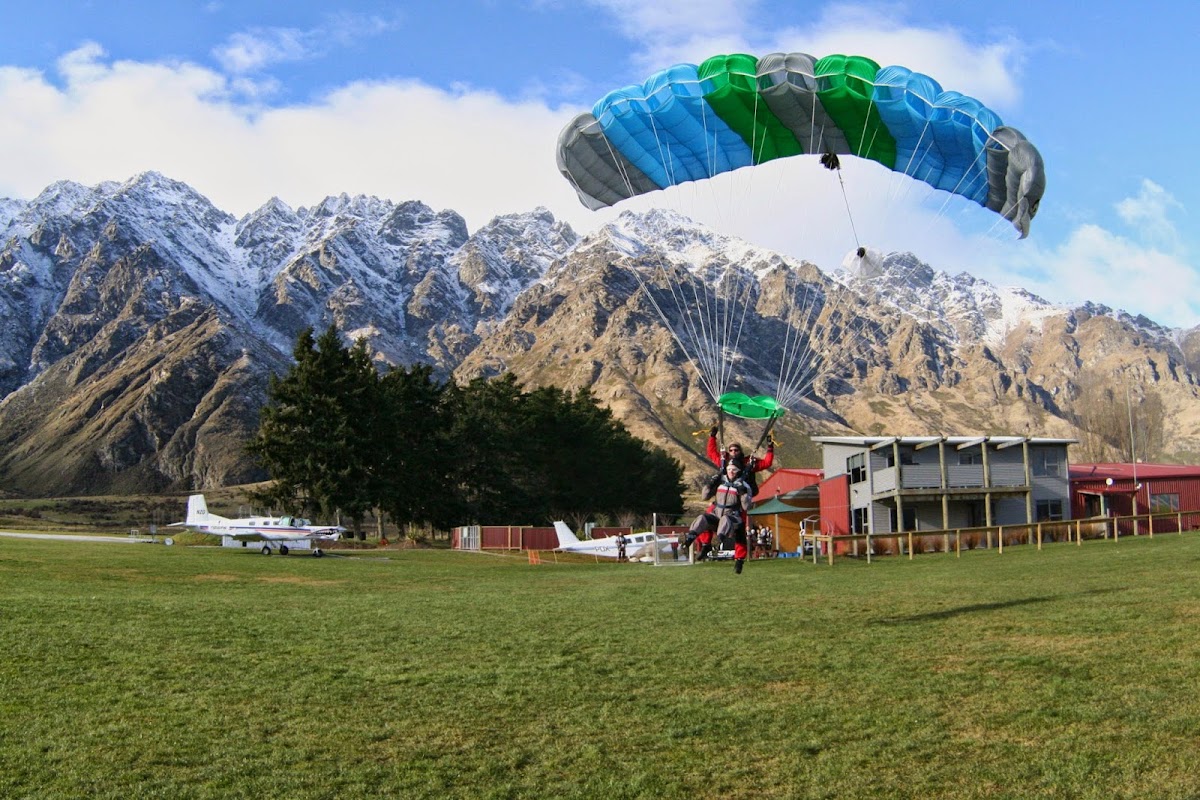
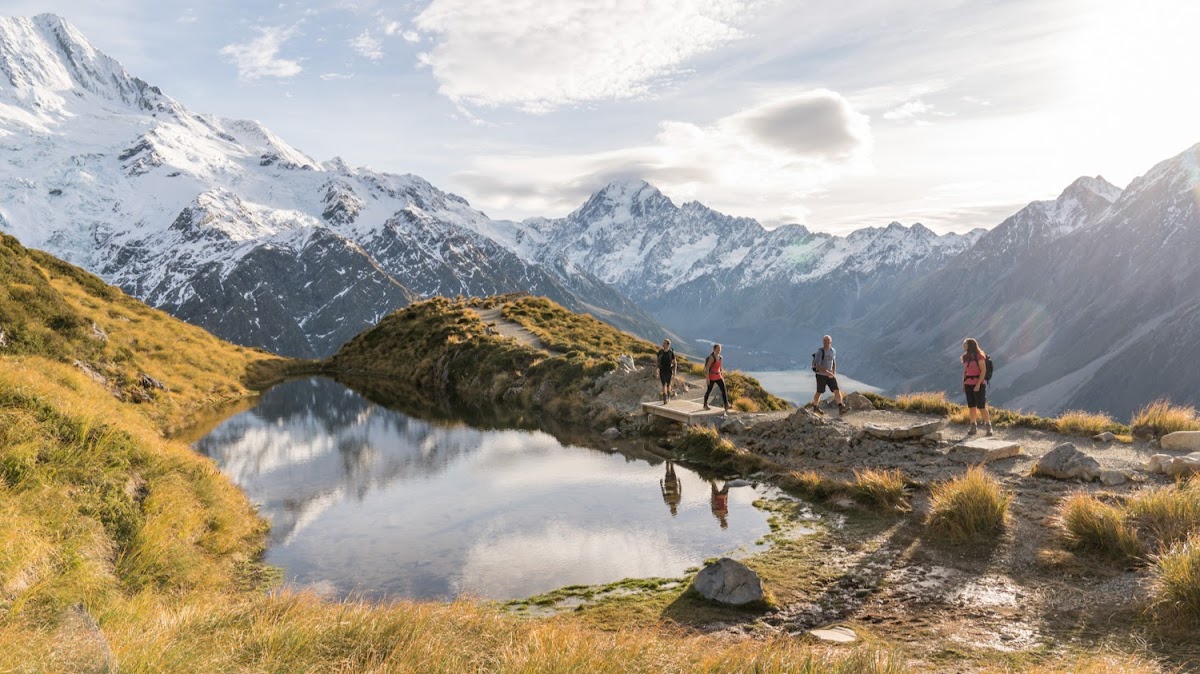
Queenstown feels like a town designed by someone who wanted ordinary life removed from the equation. The Remarkables rise sharply above Lake Wakatipu, jet boats slash the Shotover River like thrown knives, and every second storefront seems to promise a leap, a drop, a glide, or a ride. Among thrill seeker travel destinations, it remains hard to beat because the variety is absurdly dense. You can bungee in the morning, ride a lift-access bike park in the afternoon, and still have time for a lakefront dinner while the mountains turn copper at sunset.
Wānaka, about an hour away, brings a slightly calmer texture. It is less party-heavy, more spacious, and excellent if you want your outdoor adventure trips to include long trail days and less bustle. The pairing works beautifully: Queenstown for maximum energy, Wānaka for alpine breathing room. Both are supported by highly professional operators, strong safety culture, and roads that make same-day activity stacking realistic.
If you want a place that feels like a greatest-hits album of adrenaline travel destinations, this is it. New Zealand also excels at making serious activities accessible to intermediate travelers, not only experts.
- Jump the original commercial bungee at Kawarau Bridge or go bigger at Nevis, where the drop is far more intimidating.
- Ride Shotover Jet through narrow canyon walls for a classic Queenstown blast.
- Skydive over Lake Wakatipu or over Wānaka for one of the most photogenic freefalls on earth.
- Tackle mountain biking at Skyline Queenstown Bike Park or Cardrona Bike Park.
- Hike part of the Routeburn Track or Roys Peak for a non-motorized, lung-burning thrill.
- Try canyoning in the Gibbston Valley area if you like scrambling, sliding, and cold water.
Interlaken, Switzerland for polished alpine adrenaline travel
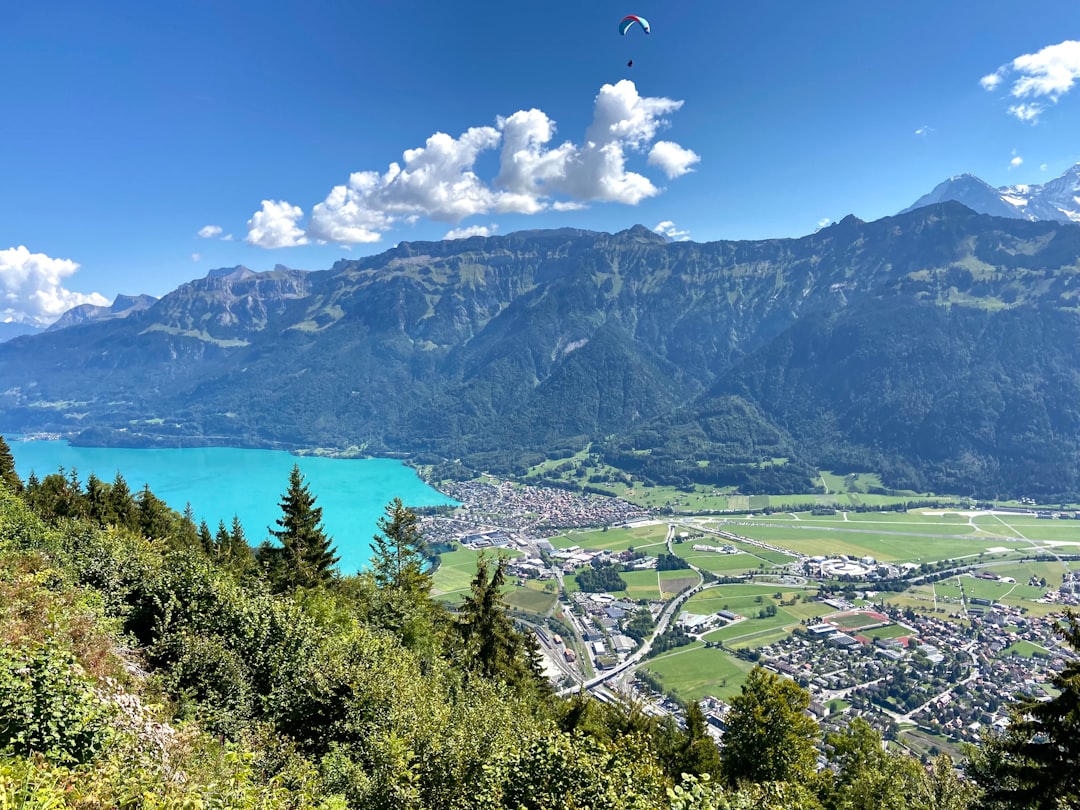
Photo by Jenny DeLuca on Unsplash
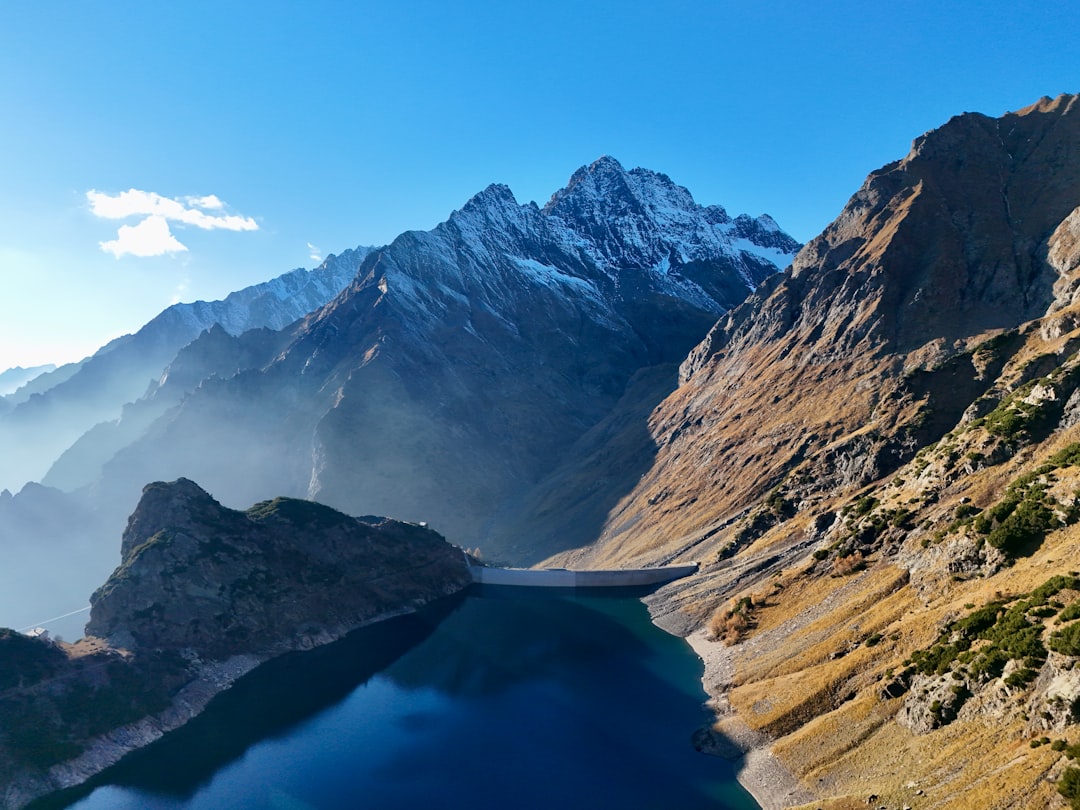
Interlaken sits between Lake Thun and Lake Brienz like a launchpad dropped neatly into the Bernese Oberland. The grass is improbably green, trains run with Swiss confidence, and above the valley the peaks create that almost theatrical Alpine skyline travelers spend years imagining. Yet the real magic here is efficiency. Very few adventure travel destinations let you step off a train and into such a broad menu of high-grade activities with so little friction.
This is one of the best thrill seeker travel destinations for people who want risk managed with discipline. The valley around Interlaken, Lauterbrunnen, Grindelwald, and Mürren offers classic European scenery, but it is the combination of paragliding, canyoning, via ferrata, ski sports, and technical trail access that makes it special. It suits travelers who like the emotional rush of exposure and speed but also appreciate clear rules, excellent signage, and transport systems that keep days running on time.
Interlaken is also perfect for couples or mixed-skill groups. One person can paraglide while another takes the train to Kleine Scheidegg, and both can meet for fondue later. That flexibility matters on longer extreme sports vacations.
- Paraglide from Beatenberg with lake and peak views that make the valley look painted.
- Canyoning near Grimsel or Saxeten delivers jumps, rappels, and narrow rock channels.
- Walk the cliff-edge routes around Grindelwald First and combine them with mountain carts or trotti bikes.
- Take the train to Jungfraujoch if you want altitude and glacier scenery without a technical climb.
- Explore Lauterbrunnen Valley, then add a via ferrata in Mürren for sustained exposure.
- Visit Harder Kulm for a lower-effort viewpoint on a rest day.
Moab, Utah for desert-rock thrill seeker travel destinations
Moab smells like juniper dust and hot stone. The red rock around town catches the light in ways that make even a gas station stop look cinematic, and the landscape feels built for movement: ledges, fins, slots, domes, and dry riverbeds that beg to be crossed by bike, boot, rope, or 4x4 tire. Among thrill seeker travel destinations, Moab stands out because the terrain demands precision rather than pure speed. It is less about spectacle from a platform and more about what your body and judgment can do in complicated ground.
This is one of those bucket list adventures bases where skill progression is obvious. Beginners can start with guided canyoneering or moderate mountain-bike routes, while experienced climbers can head toward Indian Creek crack systems or longer desert towers with local partners. Spring and fall are prime because the light is glorious and the heat is bearable; in summer, mid-day can be punishing.
Moab also benefits from a strong gear-rental culture, excellent guiding, and nearby national parks that turn the whole trip into a visual overload. It is a dream for photographers too; if you are refining a shot list for action-heavy trips, Best Travel Photography Kit in 2026 for Every Trip Style is worth reading before you pack lenses and batteries.
- Ride the Slickrock Bike Trail if you are prepared for technical riding and exposure.
- Book a canyoneering day in Entrajo Canyon or a more advanced slot with a licensed guide.
- Drive Hell's Revenge in a guided 4x4 or UTV for steep climbs and absurd rock angles.
- Raft the Colorado River through Fisher Towers for splashy, scenic desert water.
- Climb in Indian Creek if crack climbing is your idea of therapy.
- Catch sunrise at Dead Horse Point State Park and sunset at Arches National Park.
Patagonia for wind, ice, and serious outdoor adventure trips
Patagonia does not care whether you are fit, experienced, or stubborn. It will still hit you with sidewind, sleet, sun, and a horizon so huge it makes even strong hikers feel tiny. That indifference is exactly why seasoned travelers love it. The region asks for patience, layers, and humility, then pays you back with granite spires, glacier-blue lakes, and trails that feel like entry points into a world still mostly in charge of itself.
For planning purposes, think in two main hubs: El Chaltén in Argentina for trekking and climbing access, and Puerto Natales in Chile for Torres del Paine and glacier-oriented adventures. Both are among the strongest adrenaline travel destinations on earth for people who enjoy earned intensity. The reward is not just the activity itself; it is the atmosphere before and after, when everyone in town is checking wind forecasts, swapping route stories, and drying gloves over heaters.
Patagonia is not the cheapest of the thrill seeker travel destinations, but few places deliver this combination of scale and purity. If your idea of adventure means weather as a participant, not a backdrop, it belongs high on your list.
- Trek to Laguna de los Tres from El Chaltén for a demanding but iconic Fitz Roy day.
- Kayak Grey Lake in Torres del Paine among floating glacier ice on calmer weather days.
- Hike the Base Torres route for that famous turquoise lake beneath the towers.
- Take a glacier hike on Perito Moreno near El Calafate if you want crevasse-country underfoot.
- Ride or hike in the Cerro Castillo area for less crowded Patagonian drama.
- Keep a buffer day or two because wind and visibility regularly rewrite plans.
Iceland South Coast for volcano-and-glacier extreme sports vacations
Iceland compresses planetary-scale geology into a road trip. Black sand beaches, sulfur steam, lava fields, glacier tongues, and cold Atlantic light all pile into the same day, making ordinary sightseeing feel almost secondary to the terrain itself. For thrill seeker travel destinations, Iceland is especially compelling because the environment creates movement choices you simply do not get elsewhere: glacier hiking, ice caving, snowmobiling, drysuit diving, volcanic trail walking, and super-jeep access to interior tracks.
The smartest way to approach it is to use Reykjavík as your international gateway and then focus on the South Coast or Golden Circle depending on season. In winter and shoulder months, weather can dictate everything, so flexibility matters more here than in many other adventure travel destinations. The payoff is unforgettable. The blue interior of an ice cave, the crunch of crampons on compact snow, and the strange silence of a lava field under low cloud all stay with you.
Iceland also suits travelers who want high-impact adventure without needing elite technical skills. Guided operations are strong, roads are good when open, and the drama starts very soon after leaving the airport.
- Hike Solheimajokull glacier with crampons and an ice axe on a guided trip.
- Explore a natural ice cave in the Katla area near Vík, especially in colder months.
- Snorkel or dive Silfra in Þingvellir for the surreal sensation of floating between tectonic plates.
- Drive to Thórsmörk in a suitable vehicle or join a super-jeep tour for volcanic highland scenery.
- Walk to Skógafoss and continue on the Fimmvörðuháls trail if conditions are stable.
- Kayak at Jökulsárlón or near Heinaberg when tours are operating and winds are reasonable.
Pokhara and the Annapurna gateway for high-value bucket list adventures
Nepal changes the pace of adventure. The stakes can be high, the climbs long, and the terrain serious, but the emotional texture is different from the more commercial adrenaline capitals. Morning bells, prayer flags, woodsmoke, terraced hillsides, and the sudden wall of the Himalaya create a sense that the journey is not only physical. That depth is part of why Pokhara and the nearby Annapurna gateway remain such strong thrill seeker travel destinations.
Pokhara itself is one of the prettiest adventure towns anywhere. Phewa Lake reflects the mountains on clear mornings, paragliders drift from Sarangkot overhead, and trekking shops line the streets around Lakeside. From here you can layer activities: short high-view hikes, white-water rafting transfers, longer tea-house treks, and recovery days with surprisingly good coffee and low-cost meals. Nepal is also one of the most budget-friendly adrenaline travel destinations if you plan carefully.
The key is to respect altitude, pace yourself, and not let low prices fool you into cutting corners on guides or insurance. These outdoor adventure trips can become serious very quickly once weather, remoteness, or elevation enter the equation.
- Paraglide from Sarangkot above Pokhara for a classic launch with huge Himalayan views.
- Trek Mardi Himal or Poon Hill if you want strong scenery on a shorter schedule.
- Go longer on the Annapurna Circuit or Annapurna Base Camp if you have time and conditioning.
- Raft the Trishuli or Seti rivers on multi-hour or multi-day trips.
- Try ziplining in Pokhara if you want a shorter adrenaline fix between treks.
- Spend a recovery day on Phewa Lake and visit the World Peace Pagoda.
Costa Rica for rainforest adrenaline travel destinations with wildlife
Costa Rica gives adventure a soundtrack. Cicadas buzz in the heat, rivers hammer through jungle canyons, howler monkeys sound like engines somewhere in the trees, and tropical rain can arrive with almost comic force. It is one of the most complete thrill seeker travel destinations because the country combines vertical forest, white-water rivers, volcano slopes, and surf coasts within manageable travel distances.
For a first trip, the most practical route is San José to La Fortuna and then onward to a rafting corridor like Pacuare or to Monteverde for canopy and cloud forest experiences. This is where bucket list adventures meet biodiversity. You are not only ziplining over green voids or rappelling down waterfalls; you are doing it in places alive with birds, frogs, butterflies, and wet-earth smells that make the environment feel almost electrically charged.
Costa Rica suits travelers who want their extreme sports vacations softened by comfortable lodges, excellent fresh fruit, thermal pools, and a friendly tourism culture. It is especially strong for couples and active families with mixed tolerance for risk.
- Raft the Pacuare River for one of the classic jungle river experiences in the Americas.
- Go canyoning near La Fortuna with waterfall rappels and plunge pools.
- Zipline through the Monteverde Cloud Forest on long, fast canopy cables.
- Hike around Arenal Volcano National Park and pair it with hot springs afterward.
- Surf in Tamarindo or Santa Teresa if your trip includes a coast extension.
- Take a night walk with a naturalist to experience the rainforest after dark.
Cape Town and the Garden Route for ocean-meets-mountain adventure travel destinations
Few places pivot between landscapes as dramatically as South Africa's southwest coast. In one trip you can be looking down from Table Mountain, driving a marine cliff road, dropping from a bridge on the Garden Route, or watching the sea turn silver beneath a kitesurfer's line. Cape Town alone is beautiful enough to fill a trip, but as one of the best thrill seeker travel destinations it really opens up when paired with day trips and a route east.
The region works because it offers both concentrated city-based adventure and self-drive freedom. You can sleep in Cape Town, abseil or hike in the morning, eat superb seafood in the evening, and then continue to Gansbaai, Hermanus, or farther along the Garden Route for shark cage diving, cliff paths, surfing, and the famous Bloukrans Bridge bungee. It is a wonderful choice for travelers who want outdoor adventure trips without sacrificing urban food and design culture.
As with any large destination, local knowledge matters. Ask about neighborhood safety, do not flash gear casually, and use reputable operators. Planned well, it delivers some of the most varied adrenaline travel destinations energy on this list.
- Hike or take the cableway up Table Mountain, then descend on foot if conditions suit.
- Abseil from Table Mountain with a licensed operator for dramatic city-and-sea views.
- Shark cage dive from Gansbaai if marine encounters are part of your thrill threshold.
- Bungee jump at Bloukrans Bridge, still one of the world's most famous commercial jumps.
- Kitesurf at Bloubergstrand when winds and your skill level line up.
- Drive Chapman's Peak and continue toward Cape Point for a scenic recovery day.
How to get there
The best thrill seeker travel destinations are only as good as their access. A five-star activity lineup means little if the transfer days crush your momentum. These are the most practical gateways, average travel times, and rough one-way costs to help you compare.
If you are flying long haul into the Southern Hemisphere entries on this list, build in at least one low-key day before your biggest activity. Sleep debt and cold water, altitude, or high-speed sports are a poor mix. For smarter recovery between major flights and active days, Long Haul Flight Comfort Tips for 2026: Feel Better on Arrival is worth a quick read.
| Destination base | Main gateway | Best route | Transfer time | Typical cost |
|---|---|---|---|---|
| Queenstown and Wānaka | Queenstown Airport ZQN | Fly via Auckland AKL or Christchurch CHC | ZQN to Queenstown 15 min, to Wānaka about 1 hr drive | Airport shuttle NZD 20 to 30, rental car NZD 70+ per day |
| Interlaken | Zurich ZRH or Geneva GVA | Train direct via Bern or Spiez | 2 to 3 hrs | CHF 35 to 75 booked ahead |
| Moab | Canyonlands Field CNY or Salt Lake City SLC | Short flight to CNY or drive from SLC | CNY to Moab 25 min, SLC drive about 4 hrs | Car rental USD 60+ per day, shuttle limited |
| Patagonia Argentina side | El Calafate FTE | Fly from Buenos Aires AEP or EZE | FTE to El Chaltén about 3 hrs by bus | ARS equivalent of USD 25 to 45 |
| Patagonia Chile side | Punta Arenas PUQ | Fly from Santiago SCL then bus to Puerto Natales | About 3 hrs bus from PUQ to Puerto Natales | USD 12 to 20 |
| Iceland South Coast | Keflavík KEF | Pick up rental car or bus to Reykjavík | KEF to Reykjavík 45 min; to Vík about 2.5 hrs drive | Bus USD 25 to 35, car rental USD 80+ per day |
| Pokhara and Annapurna gateway | Kathmandu KTM, optional Pokhara PKR | Domestic flight or tourist bus to Pokhara | Flight about 25 min, bus 7 to 8 hrs | Flight USD 90 to 130, bus USD 10 to 25 |
| Costa Rica adventure circuit | San José SJO | Shuttle or rental car to La Fortuna | 3 to 3.5 hrs | Shuttle USD 50 to 65, rental car USD 55+ per day |
| Cape Town and Garden Route | Cape Town CPT or George GRJ | Self-drive or domestic flight | CPT to Gansbaai about 2 hrs, CPT to Plettenberg Bay 6 hrs drive | Car rental USD 35+ per day |
Useful official trip-planning links:
- New Zealand regional planning: https://www.queenstownnz.co.nz
- Switzerland transport and mountain info: https://www.myswitzerland.com
- Moab and nearby parks: https://www.discovermoab.com and https://www.nps.gov/arch/index.htm
- Torres del Paine planning: https://parquetorresdelpaine.cl/en/
- Iceland roads and weather: https://www.road.is and https://en.vedur.is
- Nepal tourism and permits: https://ntb.gov.np
- Costa Rica protected areas: https://www.sinac.go.cr
- South Africa national parks: https://www.sanparks.org
Things to do
Choosing among thrill seeker travel destinations gets easier when you stop asking which place is best in the abstract and start asking what kind of sensation you want. Do you want freefall? Technical footwork? Long effort under changing weather? Water power? A wildlife edge? The list below narrows the world into signature experiences that justify building a whole trip around them.
Notice how different the energy is from place to place. Queenstown is fast and social. Patagonia is slow, weather-dependent, and deeply earned. Costa Rica gives you heat and noise. Iceland gives you cold silence and geologic scale. That contrast is what makes great adventure travel destinations so addictive.
- Bungee at Nevis, New Zealand – For travelers who want a clean adrenaline spike with professional operations and spectacular canyon scenery.
- Paragliding over Interlaken, Switzerland – A flying postcard that still feels wild once your feet leave the slope.
- Slickrock riding in Moab, USA – Less about speed than control, line choice, and confidence on sandstone.
- Grey Lake kayaking in Patagonia – Ice, wind, and glacial color turn paddling into a true memory-maker.
- Silfra drysuit snorkeling, Iceland – One of the strangest and most beautiful cold-water experiences on earth.
- Sarangkot paragliding and Annapurna trekking, Nepal – A brilliant combo of short-hit thrill and longer endurance adventure.
- Pacuare white-water rafting, Costa Rica – Tropical river adventure with jungle intensity and real splash factor.
- Bloukrans Bridge bungee, South Africa – A global classic for travelers who want a landmark jump on a broader road trip.
Where to stay
The smartest places to sleep in major thrill seeker travel destinations are not always the fanciest. You want early breakfast options, drying space for kit, parking if you are self-driving, and easy access to operators or trailheads. A beautiful room an hour from the action can quietly drain a trip.
Below are dependable bases across budget levels. Prices vary by season, but these ranges are realistic enough for planning. In many adventure travel destinations, booking well ahead for peak season matters more than chasing last-minute deals.
| Budget tier | Property | Destination | Why it works | Typical nightly price |
|---|---|---|---|---|
| Budget | Nomads Queenstown Hostel | Queenstown | Central, social, easy for activity pickups | NZD 45 to 90 dorm, 140+ private |
| Budget | Balmers Hostel | Interlaken | Big backpacker base with lockers and common spaces | CHF 45 to 110 |
| Budget | Selina La Fortuna | Costa Rica | Flexible rooms, tours desk, easy social vibe | USD 20 to 90 |
| Mid-range | Adventure Q2 Hostel and Apartments | Queenstown | Strong location and private room options | NZD 180 to 320 |
| Mid-range | Hotel Beausite | Interlaken | Comfortable base near transport, mountain views | CHF 220 to 360 |
| Mid-range | Skuggi Hotel | Reykjavík | Great for first or last nights before South Coast driving | USD 180 to 280 |
| Luxury | Blanket Bay | Glenorchy, New Zealand | Classic luxury lodge for heli-access and alpine scenery | NZD 1800+ |
| Luxury | Explora Torres del Paine | Patagonia | Activity-led luxury with serious landscape immersion | USD 2500+ including many inclusions |
| Luxury | The Retreat at Blue Lagoon | Iceland | Best for a comfort-heavy Iceland finish | USD 1400+ |
If you are heading to Nepal, local tea houses on trekking routes change nightly costs dramatically. Budget around USD 8 to 25 for simple rooms at lower elevations, rising higher in busy sections or where transport is difficult.
Where to eat
Food matters more on adventure trips than people admit. You need salt after long sweat-heavy days, carbs before alpine starts, and actual pleasure after cold-water or high-wind efforts. The strongest adrenaline travel destinations are often anchored by surprisingly good food towns, and that is one reason travelers return.
Aim for regional dishes when you can. They tend to be built for local weather and effort: cheese and potatoes in the Alps, lamb and stew in Patagonia, dal bhat in Nepal, hearty burgers and pastries in New Zealand, seafood on the South African coast, and casados or gallo pinto in Costa Rica.
| Destination | What to eat | Reliable spots or areas | Typical spend |
|---|---|---|---|
| Queenstown | Lamb, venison, burgers, craft beer | Fergburger, Blue Kanu, Botswana Butchery | NZD 18 to 70 |
| Interlaken | Fondue, rösti, alpine sausage | Hüsi Bierhaus, Restaurant Taverne, cafés around Höheweg | CHF 18 to 45 |
| Moab | Southwestern plates, big breakfasts, post-ride beer | Moab Brewery, Quesadilla Mobilla, Jailhouse Café | USD 12 to 30 |
| El Chaltén and Puerto Natales | Patagonian lamb, empanadas, stout, chocolate | La Cervecería Chaltén, Don Guerra, Afrigonia | USD 10 to 35 |
| Vík and Reykjavík | Fish soup, lamb, rye bread, skyr | Soup Company in Vík, Icelandic Street Food in Reykjavík | USD 18 to 40 |
| Pokhara | Dal bhat, momos, Tibetan bread | Moondance Restaurant, local Lakeside dal bhat houses | USD 3 to 18 |
| La Fortuna and Monteverde | Casado, ceviche, tropical fruit, coffee | Soda Viquez, Don Rufino, local sodas near central parks | USD 6 to 35 |
| Cape Town and coast | Seafood, Cape Malay flavors, wine-country produce | Oranjezicht City Farm Market, Harbour House, Kalky's | USD 8 to 40 |
Practical tips
The difference between a great trip and an expensive mess in thrill seeker travel destinations usually comes down to timing and restraint. The best month for a place may not be the best month for your exact activity. Patagonia's wind can ruin a kayak day but make a simple viewpoint walk unforgettable. Iceland in winter gives you ice caves but shorter daylight. Nepal in monsoon can be lush and beautiful, yet landslides and cloud can complicate trekking.
Think in terms of conditions, not hype. Great adventure travel destinations reward people who keep at least one spare day in the plan, avoid booking every nonrefundable activity back-to-back, and know when to swap a big objective for a lower-risk alternative.
Best months by destination
| Destination | Best months | Watch out for |
|---|---|---|
| Queenstown and Wānaka | Nov to Apr for multi-sport; Jun to Sep for snow sports | Peak holiday pricing in Dec and Jan |
| Interlaken | Jun to Sep for green-season sports; winter for ski adventures | Shoulder-season closures in mountain areas |
| Moab | Mar to May and Sep to Oct | Summer heat can be dangerous |
| Patagonia | Nov to Mar | Strong winds year-round, bookings fill fast |
| Iceland | Feb to Apr for ice plus more daylight; Jun to Sep for road access | Rapid weather changes, road closures |
| Nepal | Oct to Nov and Mar to Apr | Monsoon cloud and winter cold at altitude |
| Costa Rica | Dec to Apr, plus Jul to Aug for some areas | Wet-season storms and muddy access |
| South Africa southwest | Oct to Apr | Strong coastal wind can affect marine plans |
What to pack
For outdoor adventure trips, pack by consequence, not by outfit fantasy.
- A real waterproof shell, not a fashion rain jacket.
- Merino or synthetic layers for cold starts and sweat management.
- Trail shoes or approach shoes with genuine grip.
- A reusable water bottle or hydration bladder.
- A compact medical kit with blister care, pain relief, and any prescriptions.
- A dry bag for rafting, boating, or Icelandic weather.
- Sun protection even in cold places; glacier glare and high-altitude light are brutal.
- A power bank and offline maps.
Money, connectivity, and booking logic
- Cards work almost everywhere in Iceland, New Zealand, Switzerland, South Africa, and much of Costa Rica. Carry some cash in Nepal and rural Patagonia.
- eSIMs are usually the easiest option in most countries on this list. Coverage drops fast in mountain or desert zones, so download maps before leaving town.
- Insurance should specifically cover the activities you are doing. Standard policies often exclude technical climbing, high altitude, or motorized adventure.
- Operator choice matters more than small price differences. In the best adventure travel destinations, reputable outfitters are transparent about guide ratios, weather calls, and what happens if conditions change.
Safety and local customs
Adrenaline is not a substitute for judgment. Even in polished extreme sports vacations, most incidents begin with basic mistakes: dehydration, fatigue, ignoring guide briefings, or pretending a beginner skill level is intermediate.
- In Nepal, learn a few courteous greetings and be respectful around temples and village spaces.
- In Costa Rica, afternoon rain can transform trails and roads quickly.
- In South Africa, ask locals or your hotel which areas are comfortable to walk after dark.
- In Moab, water and heat management are non-negotiable.
- In Patagonia and Iceland, weather has final say. Treat cancellation as part of the experience, not a personal insult.
FAQ
Which of these thrill seeker travel destinations is best for first-timers?
Queenstown and Costa Rica are the easiest entries for most travelers. Both have a wide activity menu, strong guiding culture, and plenty to do on weather backup days. Interlaken is also excellent if your budget can handle Switzerland.
Which destination gives the best value for money?
Nepal is usually the standout for budget-conscious travelers, especially for trekking, paragliding, and longer stays. Costa Rica and South Africa can also offer strong value if you avoid peak holiday periods and self-drive part of the trip.
Do I need to book activities in advance?
Yes for famous operators, peak season, and any trip with permits or limited daily capacity. That is especially true in Patagonia, on popular New Zealand activities, and for premium Swiss adventure operators. For places like Moab or Costa Rica, some flexibility is easier, but the best guides still sell out.
How much should I budget for activities?
A rough range for signature activities is USD 60 to 120 for rafting or canyoning, USD 150 to 300 for skydiving or major bungee experiences, USD 80 to 250 for glacier hikes, and much more for multi-day trekking packages or luxury lodge-based adventure programs. In Nepal, some activities cost much less; in Switzerland and Iceland, many cost more.
Which destination is best for mixed groups where not everyone wants full-on risk?
Interlaken, Queenstown, Cape Town, and Costa Rica all work well because non-participants still get superb scenery, easier walks, wildlife, cafés, and day-trip options while the thrill-focused traveler books the bigger activity.
Final thoughts
The truth about thrill seeker travel destinations is that the biggest rush is rarely the whole story. Yes, the drop, the rapid, the ridge, the launch, and the roar matter. But what lingers is often more specific: cold air in your teeth before sunrise in Queenstown, red dust on your calves in Moab, wet jungle heat after a Costa Rican river run, the hiss of wind in Patagonia, or the way the Himalaya appear in Nepal as if someone lifted a curtain.
The right destination is not simply the wildest one. It is the one that matches your appetite for exposure, your budget, your weather tolerance, and the kind of memory you want to carry home. Choose the base well, leave room for conditions to shift, and even the backup day can become part of the adventure.