Tourist Scam Warning Signs in 2026: Read the Setup Early
Most travelers imagine scams as dramatic moments with shouting, fake police, or a vanishing wallet. In reality, the first clue is usually much smaller: a stranger who appears too quickly, a price that stays oddly vague, a hand that reaches for your bag before you asked for help. If you learn to spot tourist scam warning signs early, you can sidestep most problems before money changes hands, before your card is tapped, and before your trip mood turns sour.
That is the useful shift for 2026. Instead of memorizing an endless catalog of tricks, train yourself to read the setup. The air in an arrivals hall is already tense with rolling suitcases, sleep-heavy eyes, and the sweet-burnt smell of airport coffee. Add jet lag, a weak data signal, and an eager stranger saying they can fix everything, and even seasoned travelers get sloppy. I like storing screenshots of bookings, emergency contacts, and official transfer links in one place before departure, sometimes in a trip folder on TravelDeck, because order lowers stress and stress lowers your guard.
Why common tourist scams still work in 2026
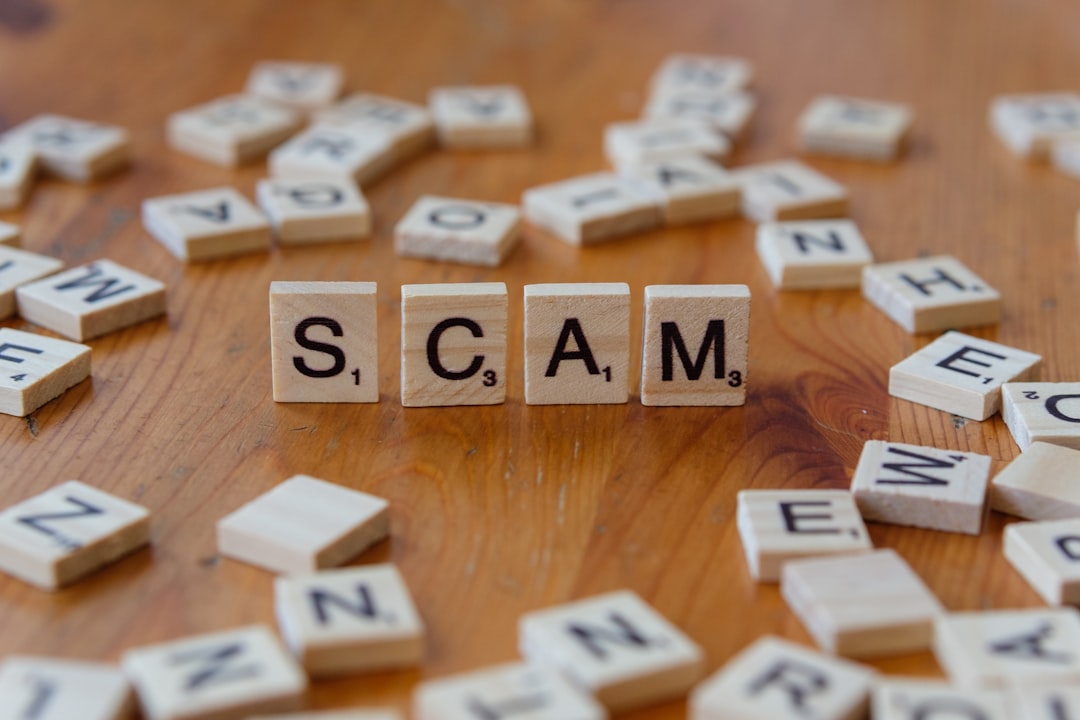
Photo by Markus Winkler on Unsplash
The biggest myth about common tourist scams is that they depend on a clever lie. Most do not. They depend on your state of mind. You are tired, hot, hungry, late, polite, embarrassed, overloaded with bags, or eager not to look rude. The scammer does not need a masterpiece. They need a small opening and enough confidence to push you through it.
Think about the rhythm of a travel day. You land after a cramped flight. Your phone battery is at 19 percent. You are trying to decode train signs in a language you do not speak. Outside, engines idle in a hot line, drivers call destinations, and every offer sounds almost official. That atmosphere favors the person who acts as if they belong. Many tourist scam warning signs are really performance cues: speed, certainty, and pressure delivered before you have time to think.
The psychology is old, but the packaging keeps changing. A fake helper can wear a lanyard. A fake booking message can arrive inside a real-looking app thread. A fake Wi-Fi network can borrow the exact name of the hotel next door. Yet the pressure points remain the same, which is why learning how to avoid travel scams starts with behavior, not gadgets.
Here are the patterns behind most common tourist scams:
- Urgency: You are told to decide now, move now, pay now, or miss out.
- Authority theater: Uniforms, laminated badges, clipboards, branded cars, and firm voices create instant trust.
- Reciprocity: A free bracelet, unsolicited directions, a quick favor, or someone lifting your bag makes you feel you owe them.
- Isolation: You are gently moved away from the main line, the official desk, the front entrance, or the bright public area.
- Confusion: Too much talking, too many choices, or too many people at once stops you from checking details.
- Embarrassment: The scammer counts on your desire to avoid conflict in public.
Once you see those mechanics, tourist scam warning signs become easier to read. The details change by city, but the pressure pattern stays familiar.
Tourist scam warning signs you can spot before money changes hands
Photo by Florida-Guidebook.com on Unsplash
A square near a famous church is loud with cameras clicking and pigeons lifting off in gray waves. A station concourse smells like diesel and pastry sugar. A market lane flashes with bright textiles, polished fruit, and handwritten price boards. In places like these, scams often begin long before a payment request. They begin with a feeling that the interaction is moving faster than your judgment.
The most reliable tourist scam warning signs are not exotic. They are basic breaks from normal service. Real staff explain prices clearly. Real drivers do not hate written receipts. Real tour operators do not object when you check official signs. Real hotel desks do not need your full card details shouted over the phone at midnight. When something feels slippery, that is often because the structure is missing.
Learning these cues matters more than memorizing every local hustle. It is also the simplest answer to how to avoid travel scams without becoming paranoid. You do not need to suspect everyone. You only need to notice when an interaction skips the usual, verifiable steps.
Watch for these tourist scam warning signs:
- Unsolicited help that arrives before you ask for it
- A person who physically touches you, your suitcase, or your wrist immediately
- No written price, no visible meter, no menu, or no official tariff board
- A claim that the attraction, ATM, ticket desk, or station entrance is closed
- Pressure to move to a second location
- Cash-only demands for high-value purchases or deposits
- A refusal to let you photograph a plate number, permit, or shopfront
- A request to hand over your phone so someone can help you book
- A QR code on a random poster, placard, or table sticker that redirects to an unfamiliar domain
- A story that depends on you feeling guilty, rushed, or uniquely lucky
- Someone who talks over your attempt to verify details
- A stranger who insists they know a better taxi, a better hotel, or a better deal nearby
If several of those show up at once, step back. That pause is powerful. Travel scam red flags grow weaker the moment you slow the pace of the interaction.
How to avoid travel scams when you are tired, jet-lagged, or unwell
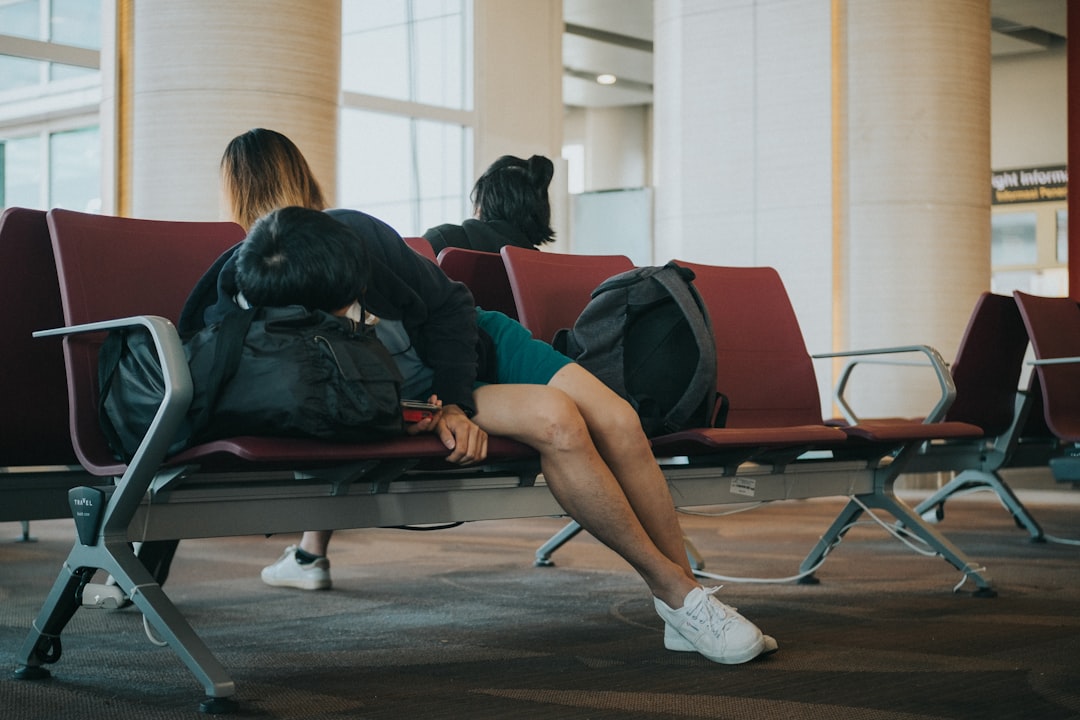
Photo by Joyce Romero on Unsplash
One reason tourist scam warning signs get missed is simple biology. Fatigue changes judgment. Dehydration makes you impatient. Low blood sugar makes easy solutions feel irresistible. Even mild illness can turn a normally careful traveler into someone who just wants the nearest cab, the nearest room, the nearest signal, the nearest person who sounds certain.
That is why scam prevention is also health advice. If you have ever landed on a long-haul flight with cotton-dry eyes, swollen ankles, and the strange floating feeling of night travel, you already know how thin your decision-making can become. A scammer can read that instantly. They look for the traveler standing still too long, fumbling with a wallet, staring at signs, or arguing with a dead roaming plan. If you need help managing the physical side of arrival days, the routines in Economy Flight Comfort Routine 2026: Feel Better at Landing are useful because comfort and alertness are linked.
The health angle matters at nightlife too. Alcohol, heat, and crowded rooms lower your ability to spot tourist scam warning signs. So does taking sedating medication on a late arrival and then trying to sort out transport alone. The best anti-scam habit may be an unglamorous one: protect your body first, then make decisions.
Use this low-drama arrival routine if you want a practical answer to how to avoid travel scams on bad travel days:
- Drink water before leaving the plane, not only after baggage claim.
- Eat a small snack before negotiating transport or changing money.
- Keep one card and a small amount of cash in an easy pocket, with backups stored separately.
- Charge your phone before landing and carry a power bank that is already full.
- Screenshot your hotel address, official transfer options, and booking confirmation.
- Decide your transfer method before you exit customs.
- If you arrive after midnight, pre-book the first ride or arrange pickup through the property.
- Avoid heavy drinking until you are checked in and know your route home.
- If you feel sick, skip ATM hunting and use a hotel or bank ATM later.
- If medication makes you groggy, do not rent a scooter, bargain with drivers, or follow new acquaintances anywhere.
This is one of the least discussed tourist scam warning signs of all: when you feel physically off, every smooth stranger seems more persuasive.
Travel scam red flags at airports, stations, taxi ranks, and hotels
The threshold moments of travel are where most expensive mistakes happen. Not because the scams are brilliant, but because transition points are messy. Arrivals halls echo. Train stations create tunnel vision. Taxi ranks compress choice into seconds. Hotel lobbies feel safe even when the phone ringing in your room is not.
These spaces produce the same handful of travel scam red flags around the world. A helper appears before official staff. A driver says the meter is broken. A porter grabs a bag and then names a fee. A hotel caller says there is a card problem and asks you to verify details immediately. These are not random quirks. They are rehearsed moves built for moments when you are already mentally full.
Airport arrivals and the airport taxi scam
The airport taxi scam remains one of the most common tourist scams because it catches people at their weakest point. You have luggage, little local cash, and almost no desire to comparison-shop. In some cities the trick is simple overcharging. In others it is a longer route, a fake fixed fare, a rigged meter, a switch to an unlicensed vehicle, or a claim that the official line is closed.
The cure is boring and effective: ignore anyone who approaches you inside the terminal, walk to the signed official queue, confirm the fare structure before getting in, and track the route on your own map. If a driver objects to any of that, you already have your answer. That is an airport taxi scam warning you early.
At airports, watch for these travel scam red flags:
- Drivers soliciting passengers inside baggage claim or just beyond customs
- Claims that the official taxi line is too slow, shut, unsafe, or cash-only
- No visible license, no roof light where one is standard, or no printed tariff
- Pressure to let someone else load your bags into a different vehicle
- A price quoted only after the ride has started
- A driver who refuses to say whether the fare is metered or fixed
- An unexpected stop at an ATM or exchange counter
Train and bus stations
Stations create a different style of hustle. The scam is often built on directional confusion. Someone tells you your platform changed, your ticket needs validation elsewhere, the machine is broken, or the train you want is not running. Suddenly you are buying a second ticket, following a stranger to a side office, or paying for unnecessary help with luggage.
Busy stations also attract distraction teams. One person blocks your path with a question or petition while another works your bag. The smell of brakes, the metallic screech of trains, and the flood of people arriving at once make it easy to miss the small unzip, the light tug, the moment your attention is split.
At stations, common tourist scams often look like this:
- Fake staff without official ID or a visible workstation
- People asking to see your ticket, then steering you toward a machine or side desk
- Anyone who says the official counter is closed when you can still see staff working
- Sudden help with heavy luggage followed by aggressive payment demands
- Petition clipboards and charity forms used as cover for pickpocketing
- Anyone encouraging you to place your bag on the ground while you search for documents
Hotels and vacation rentals
Hotels feel like the safe part of the trip, which is exactly why some scams move there. A late-night room phone call claims your card failed. A fake courier arrives at reception with a package fee. A driver insists your hotel is overbooked and offers a better alternative. A rental host asks you to pay a new deposit off-platform or message a passport scan to a private number.
These hotel schemes work because travelers assume the building filters risk. It does not. A scammer only needs your room number, your name, or a familiar brand. Treat hotel communication the same way you treat banking communication: verify through a trusted channel you already have.
Hotel and rental warning signs include:
- Any request for full card details by phone or messaging app
- Pressure to move payment off the booking platform
- A host who changes the meeting point repeatedly
- Last-minute claims that the original property is unavailable, paired with a substitute room
- Requests to hand over your passport as collateral for a bike, scooter, or key
- Staff or drivers discouraging you from checking in directly at the front desk
For a destination-specific example of how arrival pressure works on the ground, Rome Tourist Scams in 2026: Outsmart the First 24 Hours shows how quickly small decisions stack up.
Digital tourist scam warning signs: fake Wi-Fi, QR codes, and booking messages
Some of the sharpest tourist scam warning signs in 2026 glow from a screen. You sit in a cafe with the smell of espresso and hot pastry in the air, your bag looped around a chair leg, and your phone finally reconnects. A network name appears that looks right. A message arrives that seems to come from your hotel. A QR code promises a menu, a discount, a transit ticket, or express attraction entry. Because the interaction is silent and polished, it feels cleaner than a street scam. Often it is not.
The fake Wi-Fi travel scam is especially effective because it exploits relief. Travelers connect quickly, then log in to email, bank apps, or booking sites. Once credentials are captured, the damage can outlast the trip. A fake Wi-Fi travel scam may use a network name only one character off the real one, or a captive portal that mimics a hotel page. The same logic applies to QR codes pasted over genuine signs and to messaging scams that push you toward off-platform payment.
One of the easiest answers to how to avoid travel scams in the digital layer is to reduce your need for live problem-solving. Download offline maps, airline passes, hotel confirmations, and translation packs before departure. If you want a lean setup for that, Travel Apps Every Traveler Needs in 2026 for Smoother Trips is a practical companion piece.
Use this checklist to cut digital risk:
- Confirm the exact Wi-Fi network name with staff or official signage.
- Treat any fake Wi-Fi travel scam like a stolen-key problem and change passwords fast if you connect by mistake.
- Use mobile data for banking, card management, and passport or visa portals.
- Disable auto-join on public networks.
- Avoid scanning QR codes on loose stickers, laminated cards, or street posters unless you can verify the venue.
- Check the website domain before entering card details.
- Keep two-factor authentication active, preferably through an authenticator app.
- Never pay a new accommodation deposit outside the booking platform unless you independently verified the property first.
- If a hotel messages about payment issues, call the published number or walk to reception in person.
The fake Wi-Fi travel scam is not dangerous because technology is mysterious. It is dangerous because tired people stop verifying familiar-looking screens.
What to say when a scam starts
Many travelers know the warning signs but still freeze when the moment comes. They worry about appearing rude, escalating tension, or offending a genuine person. Scammers count on exactly that hesitation. The best response is not a long argument. It is a short, repeatable script delivered calmly while you keep moving toward a brighter, more public place.
This is where tourist scam warning signs become practical rather than theoretical. If someone insists on helping, touching, guiding, blessing, escorting, carrying, or explaining after you have already said no, the interaction is no longer service. It is pressure. End it cleanly.
Useful scripts that shut down common tourist scams:
- No thank you, I already have a booking.
- I will ask at the official desk.
- I only use the meter or posted fare.
- Please do not touch my bag.
- Show me your official ID.
- I do not pay cash for that.
- I will confirm with the hotel directly.
- Step back, please.
- I am calling the police now.
- I do not need help.
A few physical habits matter too:
- Stop walking only in a visible, populated area.
- Keep one hand on your phone and the other on your bag zip or strap.
- Do not let strangers separate you from your luggage.
- If a crowd forms, move toward a shop, staffed booth, or uniformed official.
- If you feel flustered, speak less and verify more.
The goal is not to win the exchange. The goal is to break the script the scammer prepared.
Come arrivare / How to get there
General advice is useful, but arrivals become easier when you know exactly what the official transfer options look like in real cities. Below are three major gateways where travelers regularly face travel scam red flags, especially around transport. Treat these as models for researching any destination before you go.
The simplest way to beat the airport taxi scam is to decide your route before landing. Know the official fare structure, the transport operator name, and the approximate travel time. That way, anything outside the expected pattern stands out immediately.
| City and airport | Official transfer options | Typical time | Typical cost | Safer booking/check info |
|---|---|---|---|---|
| Paris Charles de Gaulle Airport, CDG | RER B to central Paris, RoissyBus to Opéra, official taxi rank | 35-75 min | RER B about €11.80, RoissyBus about €16.60, taxi fixed fare about €56 Right Bank and €65 Left Bank | Paris Aéroport, Île-de-France Mobilités |
| Istanbul Airport, IST | Havaist airport bus, M11 metro with transfers, official yellow or turquoise taxis | 45-100 min | Havaist roughly TRY 200-250, metro around TRY 25-40 depending on transfers, taxi often TRY 900-1400 depending on traffic and destination | Istanbul Airport, Havaist, Metro Istanbul |
| Mexico City Benito Juárez International Airport, MEX | Metrobús Line 4, authorized taxi kiosk, app ride from designated pickup zone | 25-60 min | Metrobús about MXN 30, authorized taxi commonly MXN 300-450 to central districts, app rides vary by demand | AICM, Metrobús CDMX |
A few city-specific notes matter:
- Paris CDG: The fixed official taxi fares to central Paris are one of the easiest ways to spot an airport taxi scam. If someone offers a special unofficial rate higher than the posted official one, walk away.
- Istanbul IST: Traffic can be heavy, so route time varies. That makes route-tracking on your own phone especially useful.
- Mexico City MEX: Authorized taxi kiosks remain a strong option if your phone signal is poor. Pay at the kiosk, keep the receipt, and match it to the assigned vehicle.
If you are arriving in any unfamiliar city late at night, the safest order is usually this: official train or bus if simple, authorized kiosk or app pickup if not, and only then a street taxi from the signed rank.
Cosa fare / Things to do
A smart anti-scam strategy is not staying in your room. It is choosing your first activities well. On day one, skip any plan that depends on spontaneous street deals, cash-only tour offers, or chaotic transport chains. Choose official, timed, well-reviewed experiences that help you get your bearings while your senses wake up to the city.
The beauty of this approach is that it protects the trip mood too. A museum forecourt at opening time, a licensed ferry with a printed route map, or a market with visible menus feels completely different from being herded toward a mystery shop by an overfriendly stranger. That is how to avoid travel scams without making travel feel defensive.
Here are six scam-resistant first-day ideas in major gateway cities:
- Paris: Musée d'Orsay, Esplanade Valéry Giscard d'Estaing, 75007
- Paris: Marché des Enfants Rouges, 39 Rue de Bretagne, 75003
- Istanbul: Şehir Hatları ferry from Eminönü to Kadıköy
- Istanbul: Topkapı Palace, Cankurtaran, 34122 Fatih
- Mexico City: Museo Nacional de Antropología, Av. Paseo de la Reforma s/n, Bosque de Chapultepec
- Mexico City: Bosque de Chapultepec and Reforma corridor
Dove dormire / Where to stay
Accommodation affects scam exposure more than travelers expect. A property with a real front desk, clear transfer guidance, luggage storage, and responsive staff cuts off several common tourist scams before they begin. It also gives you a reliable point of verification when a driver, caller, or random helper claims there is a problem.
Below are example properties in major gateway cities where structure matters. Prices vary by season and event dates, but the ranges help set expectations.
| Budget tier | Example stay | Typical nightly range | Why it helps |
|---|---|---|---|
| Budget | The People Paris Marais, Paris | €45-120 dorm or basic room | Central location, staffed reception, easier late arrival logistics |
| Budget | Cheers Lighthouse, Istanbul | €35-90 | Popular old-city base, staff used to helping with airport transfers |
| Budget | Casa Pepe, Mexico City | MXN 500-1600 | Social but organized, useful if you want advice without street guesswork |
| Mid-range | Hotel Ekta, Paris | €180-320 | Small hotel, 24-hour desk, strong base near major transport |
| Mid-range | DeCamondo Galata, Istanbul | €140-260 | Good location with reception support and easy ferry access |
| Mid-range | Casa Decu, Mexico City | MXN 2800-4800 | Quiet Roma base with a neighborhood feel but hotel structure |
| Luxury | Pullman Paris Tour Eiffel, Paris | €350-650 | Professional front desk and clear transfer coordination |
| Luxury | Pera Palace Hotel, Istanbul | €300-600 | Historic property with experienced concierge support |
| Luxury | Sofitel Mexico City Reforma, Mexico City | MXN 6000-11000 | Strong security presence, polished arrivals, dependable transport help |
When choosing a place, look for these specifics in recent reviews:
- 24-hour reception or clear after-hours access
- Staff who arrange or explain official airport transfers
- No repeated complaints about bait-and-switch rooms
- Good lighting outside the entrance
- Secure luggage storage
- Fast, direct communication inside the booking platform
Dove mangiare / Where to eat
Food decisions can invite scams too, especially in hyper-touristed zones where menus appear only after you sit down, prices change from one server to another, or the final bill includes invented extras. The safest meals on arrival day are usually in places with visible prices, steady local traffic, and a billing system that feels routine rather than improvised.
That does not mean eating blandly. It means choosing places where the pleasure is obvious and the transaction is clean. The smell of butter and onions drifting out of a Paris bouillon, the crackle of simit near an Istanbul ferry dock, the sweet steam of churros and chocolate in Mexico City at dusk, all of that is part of travel. You do not need risk to get atmosphere.
Reliable first-day eating ideas:
- Paris: Bouillon Chartier, 7 Rue du Faubourg Montmartre, 75009
- Paris: Marché des Enfants Rouges
- Istanbul: Pandeli, Yeni Camii Cd. No:1, Eminönü
- Istanbul: Karaköy Güllüoğlu, Kemankeş Cd. No:57-59
- Mexico City: Azul Histórico, Isabel La Católica 30
- Mexico City: El Moro, Eje Central Lázaro Cárdenas 42
A small dining rule prevents a surprising number of common tourist scams: if prices are not visible, ask before ordering. If the answer stays vague, leave.
Consigli pratici / Practical tips
By this point, the tourist scam warning signs should feel less like random horror stories and more like a repeatable checklist. You are not trying to predict every trick. You are trying to make your travel day structurally harder to exploit.
The most reliable anti-scam habits are simple enough to use when you are tired. They also reduce health friction, money stress, and bad decision chains. That is why how to avoid travel scams is really about creating small islands of certainty: one official ride, one verified network, one backup payment method, one known route home.
Best months and conditions
Scams often spike where crowds and confusion spike. Shoulder seasons usually make cities easier to read.
| Travel condition | Why it matters for safety |
|---|---|
| Shoulder season, usually spring and autumn | Smaller crowds make travel scam red flags easier to spot |
| Midday heat in summer | Dehydration and impatience weaken judgment |
| Very late arrivals | Fatigue makes the airport taxi scam more persuasive |
| Festival weekends | Demand surges create room for fake tickets, fake guides, and inflated transfers |
| Heavy rain | People rush under cover and pay less attention to bags and route choices |
What to pack for scam resistance
- Cross-body bag with zips that close fully
- Secondary card stored separately from your main wallet
- Portable charger
- Small snack and refillable water bottle
- Printed hotel address and booking number
- SIM or eSIM ready before departure
- Photocopy of passport stored separately from the original
- Compact luggage lock for buses and trains
Customs, currency, and payment habits
- Learn three local phrases: hello, no thank you, and how much.
- Use small bills for minor purchases so your main cash stash stays hidden.
- Prefer cards for larger transactions and keep transaction alerts on.
- Do not let a card leave your sight where portable terminals are normal.
- Decline dynamic currency conversion if your card issuer gives a better rate at home.
Connectivity and official help
The fake Wi-Fi travel scam is easier to avoid when you arrive with working mobile data. If that is not possible, verify network names carefully and save essential pages offline. For broader pre-trip checks and emergency numbers, these official resources are worth bookmarking:
- U.S. Department of State travel advisories
- UK Foreign Travel Advice
- European emergency number 112 information
Fast reference table
| Situation | Best move | Why it works |
|---|---|---|
| Someone says your attraction is closed | Walk to the official entrance or check the official site | Removes the middleman |
| A driver refuses the meter | Leave before bags are loaded | Breaks the airport taxi scam script |
| A stranger offers a free item | Keep hands down, say no, keep walking | Stops reciprocity pressure |
| Hotel calls about payment trouble | Hang up and call the published number | Verifies the channel |
| Public Wi-Fi looks suspicious | Use mobile data or ask staff to write the exact network name | Cuts fake Wi-Fi travel scam risk |
| Street deal feels rushed | Pause for 30 seconds and step aside | Weakens urgency, reveals the setup |
FAQ / Domande frequenti
What are the earliest tourist scam warning signs?
The earliest tourist scam warning signs are usually unsolicited help, vague pricing, forced urgency, and any attempt to move you away from the official line, desk, entrance, or website. If an interaction feels too fast for verification, slow it down.
What should I do during an airport taxi scam?
If you catch an airport taxi scam before the ride starts, do not negotiate much. Take your bags, step out, and return to the official queue or app pickup point. If the ride already started, track the route, pay only the lawful or clearly agreed structure when possible, get out in a busy place, and report the vehicle details.
Is a fake Wi-Fi travel scam really risky if I only check email?
Yes. A fake Wi-Fi travel scam can capture logins, session data, and enough personal information to trigger password resets or phishing later. Treat public networks as untrusted until you verify them.
Are common tourist scams usually violent?
Most common tourist scams rely more on confusion, embarrassment, and distraction than on direct violence. That said, any confrontation can escalate, so prioritize leaving the scene over winning an argument.
Should I ever hand over my passport as a deposit?
No, not as a routine deposit for rentals, tours, or equipment. Some operators ask, but giving up your passport creates leverage against you. Offer a card pre-authorization, cash deposit, or passport copy if the provider is reputable and local rules allow it.
A calmer way to travel
The best trips still depend on openness. You want to notice the smell of rain on warm pavement, the call of a ferry horn on a gray morning, the buttery paper bag from a bakery, the chatter of a market waking up. The point of learning tourist scam warning signs is not to harden every encounter. It is to protect that openness from the few people who feed on confusion.
Once you understand the script behind common tourist scams, fear shrinks. You stop thinking of scams as genius traps and start seeing them for what they often are: rushed situations, missing details, fake authority, and pressure dressed up as convenience. Slow the interaction, verify the structure, protect your body on tired travel days, and let the city reveal itself on honest terms.