A good zombie road trip 2026 plan starts with a simple truth: the thrill comes from feeling far from normal life without actually being unprepared. Empty highways, heat shimmer, rusted signs, and eerie little towns can feel cinematic in the best way — but only if your fuel, water, timing, and overnight stops are sorted before the wheels move.
This kind of trip works best when you treat it like a self-sufficient drive, not a casual weekend wander. Think of it as part horror-movie atmosphere, part smart desert logistics. If you build the route well, a zombie road trip becomes one of the most memorable ways to travel in 2026.
What a zombie road trip really means in 2026
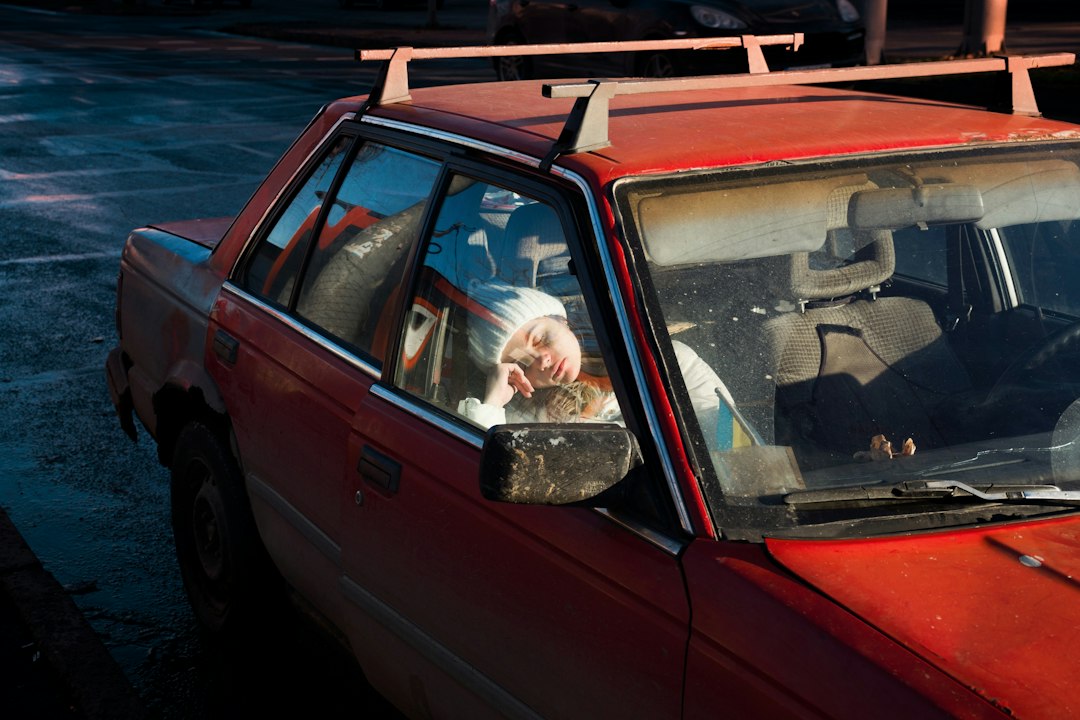
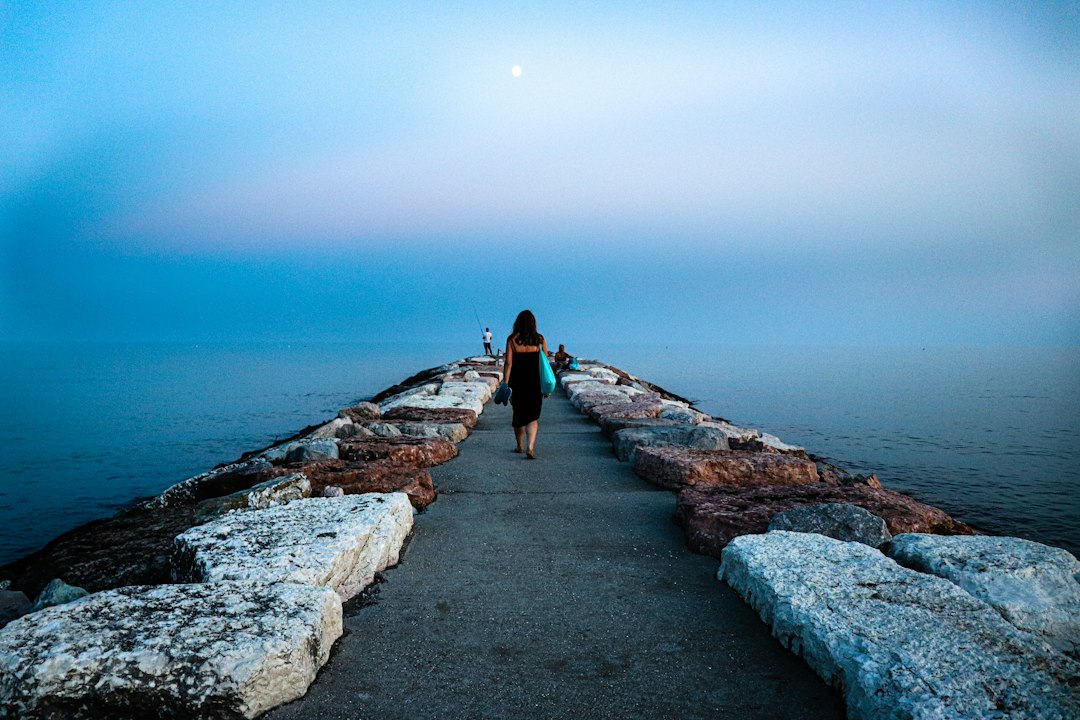
Photo by Andrew Lvov on Unsplash
In travel terms, a zombie road trip is not about costumes and chaos. It is a route built around remote scenery, abandoned-looking landscapes, ghost-town stops, low-light motels, and long stretches where you need to be a little more self-reliant than usual. The mood is half post-apocalyptic cinema, half classic American road trip.
In 2026, that style works especially well in the US Southwest, where you get sun-blasted mining ruins, empty desert roads, strange art stops, salt flats, and towns that seem suspended in time. The catch is that these places punish lazy planning. Daylight matters. Fuel matters. Water matters more than people expect.
Use these rules before you lock your route:
- Keep your fuel tank above half whenever you are crossing remote terrain.
- Cap daily driving at 250 to 350 miles if you want time for detours and photos.
- Reach your overnight town before dark, especially in desert regions with wildlife on the road.
- Carry at least 4 liters of water per person per day in hot months, plus 1 emergency liter each.
- Download offline maps and save the addresses of your next fuel stop, motel, and ranger station.
- Explore eerie sites in daylight, but sleep in functioning towns with food, signal, and open reception desks.
- Build one backup stop into every day so a closure or dust storm does not wreck the plan.
If you are still deciding whether this mood-heavy drive is your style or whether you want a softer kind of escape, Holiday Destination Ideas 2026: Match Budget to Mood is a useful contrast.
Best zombie road trip route in 2026: the Southwest classic
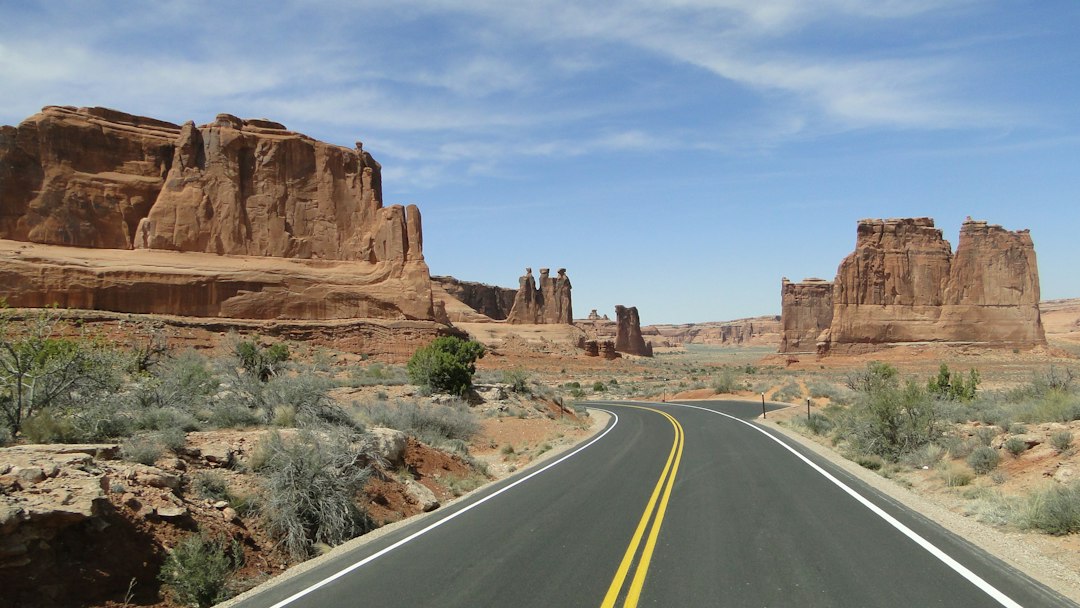
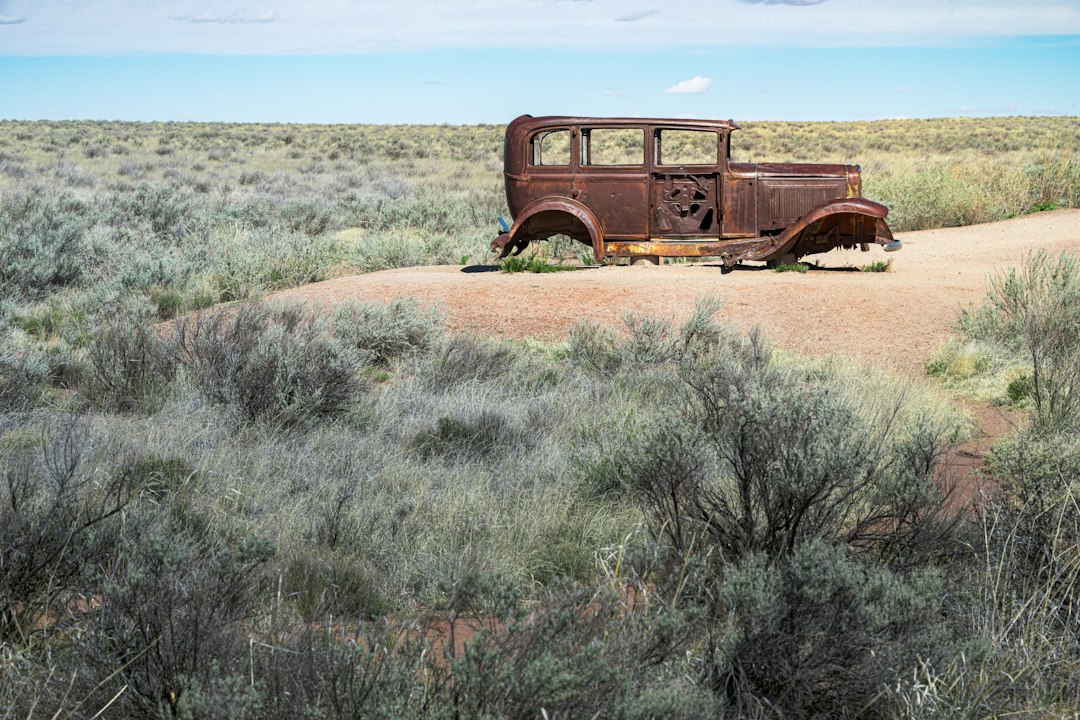
Photo by Brian Stegman on Unsplash
The most convincing zombie road trip route in 2026 is a Southwest run that starts with neon and ends with wind, dust, and palm-shadow calm. Begin in Las Vegas, head north-west into Beatty and Rhyolite, cut through Death Valley, sleep in Lone Pine, push through Trona country and Amboy, then finish around Joshua Tree and the Salton Sea. The scenery changes from casino glow to baked ghost-town silence in a matter of hours.
What makes this route work is contrast. One minute you are buying iced coffee under bright forecourt lights; the next you are staring at collapsed wooden facades, white mineral flats, and roads that look like they have been left behind by history. It feels cinematic without requiring serious off-roading, and most stops are reachable in a standard rental car if conditions are good.
Before departure, check official conditions for Death Valley National Park, Joshua Tree National Park, and Salton Sea State Recreation Area. Closures, extreme heat alerts, and storm damage change the practical shape of this trip.
If you like seeing fuel stops, overnight towns, and day-by-day mileage in one clean view, sketch the route in TravelDeck before you leave.
| Leg | Miles | Why it fits the theme | Typical 2026 cost |
|---|---|---|---|
| Las Vegas to Beatty | 120 | First fast escape into emptier country | Motel 85 to 130 USD |
| Beatty, Rhyolite, Death Valley, Lone Pine | 165 | Ghost-town ruins, badlands, huge desert basins | Park fee 30 USD per vehicle |
| Lone Pine to Trona area to Ridgecrest | 125 | Stark rock fields and proper edge-of-nowhere atmosphere | Motel 110 to 160 USD |
| Ridgecrest to Amboy to Joshua Tree | 230 | Long empty roads, vintage signs, surreal desert light | Fuel-heavy day, about 35 to 55 USD |
| Joshua Tree to Bombay Beach to Palm Springs | 150 | Twisted desert beauty and eerie Salton Sea views | State park day use about 10 USD |
A few planning notes make the route smoother:
- Beatty is a better first night than pushing deeper after sunset.
- Fuel before entering Death Valley rather than relying on expensive in-park pumps.
- Lone Pine is one of the smartest overnight bases on the route because it has food, views, and dependable lodging.
- Amboy is atmospheric but not an overnight essential.
- Bombay Beach is best as a daylight detour, not a late arrival.
If you want a loop instead of a one-way drive, add Palm Springs back to Las Vegas at roughly 270 miles, or finish in Southern California and fly home from there.
Zombie road trip packing list and vehicle prep
The reason people remember this style of trip is the sensation of remoteness: hot air coming through the door the second you step out, the crackle of gravel under your shoes, the silence after the engine cuts. That same remoteness is why your packing list has to be tighter than on an easy city break.
Think in layers: vehicle readiness, heat management, food and water, and a small backup kit for the moment when the roadside has no shade and no signal. A zombie road trip packing list should feel boring when you pack it and brilliant when you need it.
Car prep to do 72 hours before departure
Do not leave this until the morning you go. Even a minor tire or battery issue becomes expensive when the nearest garage is an hour away.
- Check tire pressure, tread, and the condition of the spare.
- Test the jack, lug wrench, and tire inflator before leaving home.
- Top up oil, coolant, and windshield washer fluid.
- Make sure air conditioning works properly in hot-weather states.
- Confirm headlights, brake lights, and hazard lights all work.
- Pack a phone charger that stays in the car full time.
- Add a compact jump starter or jumper cables.
- Clean the windshield inside and out for low-sun desert driving.
Zombie road trip packing list
You do not need survivalist gear. You do need enough simple kit to turn a bad two hours into an annoying two hours instead of a dangerous one.
- Water: 4 liters per person per day in desert conditions, plus reserve bottles
- Food: salty snacks, fruit, nuts, jerky, and one non-messy emergency meal each
- Cooler: ice, sandwiches, and backup drinks for long no-service stretches
- Clothing: hat, long-sleeve sun layer, light fleece for cold desert mornings, broken-in shoes
- Safety: first-aid kit, flashlight or headlamp, sunscreen, lip balm, foil blanket
- Car gear: paper map, tire inflator, jump starter, microfiber cloth, trash bags, wet wipes
- Money: 40 to 60 USD in small bills for old-school motels, ice, or cash-only diners
- Tech: power bank, charging cables, downloaded playlists, offline route files
If you are driving an EV, keep a bigger comfort margin than you would in a city. In remote terrain, arriving with 25 percent battery feels calm; arriving with 8 percent feels foolish. Plan chargers around daylight and food stops, not optimism.
Budget for a zombie road trip in 2026
This is not necessarily a cheap trip, but it can be a controlled one. The biggest mistake is underpricing the small stuff: extra fuel from detours, ice for the cooler, park entry fees, and the one night when you decide you really do want a better room and a hot shower.
For a five-day zombie road trip for two people, covering about 790 miles in a car averaging 30 miles per gallon, this is a realistic working budget in 2026:
| Category | Estimated cost |
|---|---|
| Fuel | 121 USD |
| Lodging for 4 nights | 520 USD |
| National and state park fees | 70 USD |
| Food and snacks | 220 USD |
| Ice, extra water, coffee, misc. | 45 USD |
| Emergency buffer | 150 USD |
| Total | 1,126 USD |
To trim the cost without flattening the experience:
- Sleep one night in a simpler roadside motel instead of a design stay near Joshua Tree.
- Buy lunch supplies in a supermarket rather than relying on isolated convenience stores.
- Share park fees value by clustering visits inside the same trip window.
- Travel in March, April, late October, or November instead of peak holiday weeks.
Spring weekends and October weekends book first around Joshua Tree and Palm Springs. If those dates matter, reserve rooms 2 to 6 weeks ahead. Beatty and Ridgecrest are usually easier to price well than trendier final-night stops.
Desert road trip safety rules travelers ignore
On a zombie road trip, the real hazards are ordinary ones: heat, fatigue, loose timing, poor phone signal, and the temptation to explore one more abandoned-looking place when the sun is already dropping. That is exactly how a fun day turns thin and stressful.
The safest version of this trip still feels adventurous. You just make a few unglamorous choices early: you top up fuel sooner, you carry more water than seems necessary, and you stop pretending that every mysterious dirt road is a good idea. The empty beauty of the desert is best enjoyed with a boring backup plan.
| Do | Do not |
|---|---|
| Arrive at your overnight town before dark | Plan scenic detours for the final hour of daylight |
| Check weather and closure alerts each morning | Assume desert roads will stay open after storms |
| Stay on legal pullouts and signed public access roads | Climb fences or enter unstable abandoned buildings |
| Tell one person your nightly stop | Vanish off-route without updating anyone |
| Carry more water than you think you need | Rely on finding the next open shop |
| Respect small towns and local land rules | Treat lived-in places like film sets |
That last point matters. Many of the most atmospheric places on a zombie road trip are not theme parks. They are real towns, Indigenous lands nearby, working desert communities, and fragile sites. If you need a refresher on reading the room when you pass through places that are not performing for tourists, Respectful Travel Customs 2026: Avoid First-Day Mistakes is worth a read.
One rule of thumb is easy to remember: if the place feels empty, plan more conservatively, not less.
Where to sleep on a zombie road trip
The best overnight stops are not always the coolest-looking ones. Sleep where you can shower, eat, refuel, and start early. Save the dramatic emptiness for the daytime hours.
These stops work well on the Southwest route:
- Beatty: practical first night, easy food options, usually the cheapest start
- Lone Pine: the strongest all-round overnight of the trip, with mountain views and proper services
- Ridgecrest: not romantic, but very functional for groceries, laundry, and reset time
- Twentynine Palms or Joshua Tree town: best if you want one photogenic final night near the park
- Palm Springs: ideal decompression stop if you want to end with pool time and a good dinner
Room-rate shorthand for 2026 is simple:
- Budget roadside motel: 85 to 130 USD
- Reliable mid-range chain or motor lodge: 130 to 190 USD
- Stylish desert stay near Joshua Tree or Palm Springs: 220 USD and up
For most travelers, the smartest split is two practical nights, one scenic night, one comfort night. That balance keeps the trip on-theme without making every evening feel like a logistics puzzle.
FAQ
Is a zombie road trip good for first-time road trippers?
Yes, if you keep it short and sleep in motels rather than trying to camp every night. A three- to five-day route with one national park, one ghost-town stop, and one recovery night is much easier than a full cross-desert marathon.
What is the best season for a zombie road trip in the Southwest?
March to April and late October to November are the sweet spots. Days are usually more comfortable, nights feel crisp rather than punishing, and you avoid the most dangerous summer heat.
How much water should I carry?
For hot, dry routes, pack at least 4 liters per person per day plus an emergency reserve. Even if you only drink half of it, the extra weight is a better trade than discovering the next shop closed early.
Can I do a zombie road trip in an EV?
Yes, but you need wider buffers and stricter timing. Keep a bigger charge reserve than normal, plan around reliable charging towns, and avoid ending the day with a long charger search after dark.
Are ghost towns and abandoned sites safe to explore?
Some are designated visitor sites and great fun in daylight. Others are unstable, privately owned, or simply not worth the risk. Stick to signed access points, legal parking, and public trails, and skip any building that looks tempting but questionable.
A zombie road trip is really a masterclass in traveling better: plan the boring details, then enjoy the weird beauty. When the light turns amber over a silent highway and the only sound is wind tapping a loose sign, you will be glad you packed water, booked the sensible motel, and left room in the day for a detour that felt like the end of the world in the best possible way.