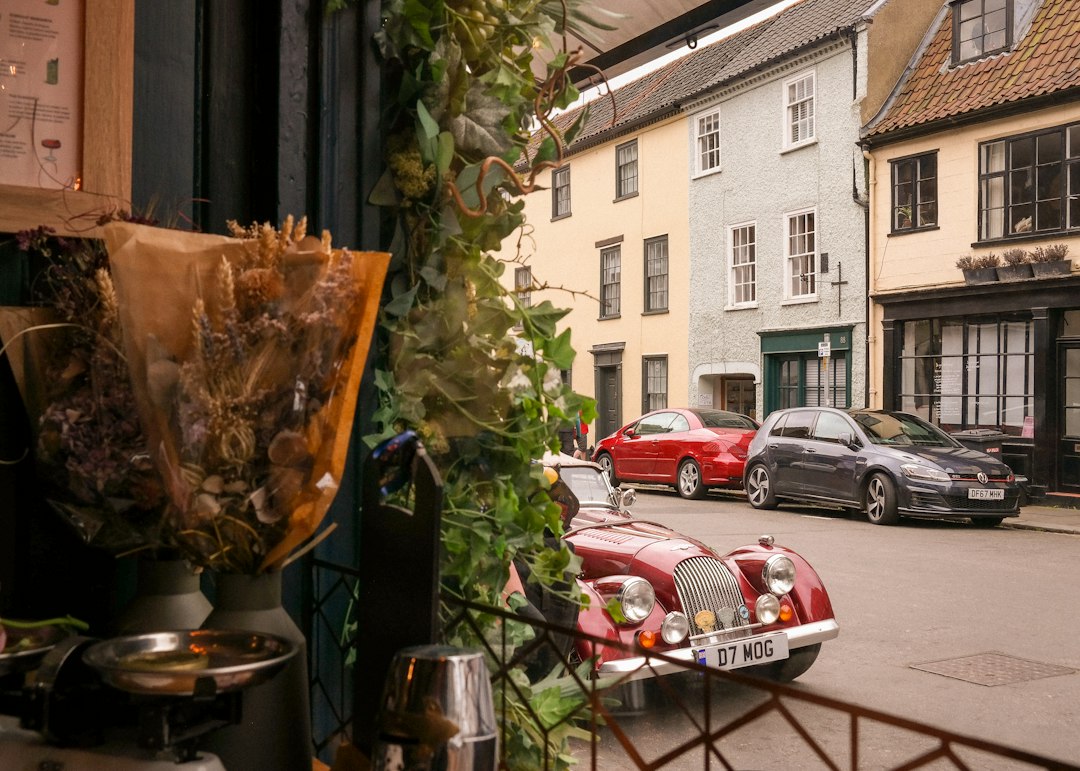
Most travelers on an antiques hunt lose money before they buy a single thing. They drive too far, arrive after the good stock is gone, and fill the boot with fragile pieces they cannot carry home. If you want an antiques road trip 2026 that feels exciting rather than chaotic, plan it like a buying trip first and a scenic drive second.
The good news is that Britain makes this easy. Within one week, you can move from Scottish market towns to Yorkshire antiques centres and on to the big eastern fair circuit, hearing floorboards creak under oak wardrobes, smelling furniture wax and old paper, and learning very quickly which finds are treasure and which are just bulky mistakes.
The smartest antiques road trip route in 2026

Photo by Olga Iacovlenco on Unsplash
The biggest planning mistake is copying television pace. The 2026 route that many fans have in mind swings through Scotland, northern England, the Midlands, East Anglia, Essex and the Home Counties. That is fun to watch, but it is too fast for a real buyer. For travelers, the sweet spot is a 6 to 8 day route with 4 bases and one major fair or auction anchor every 1 to 2 days.
A practical north-to-south antiques road trip 2026 route looks like this:
- Day 1 to 2: Edinburgh or Perth base for Scottish dealers, galleries and auction previews
- Day 3: York base, about 210 miles or 340 km from Edinburgh, for antiques centres and compact city shopping
- Day 4 to 5: Newark or Lincoln base, about 90 miles or 145 km from York, for large fairs and warehouse-style centres such as Hemswell
- Day 6: Norwich base, about 110 miles or 177 km from Newark, for East Anglia glass, silver and decorative pieces
- Day 7: Essex or Home Counties base, about 100 miles or 160 km from Norwich, then finish into London or another major airport
Why this works: you spend less time repacking the car, you hit both town-centre shops and showground fairs, and you leave enough boot space for actual finds. If you are solo, trim it to 5 days and keep the overnight stops fewer; this is where the routines in Solo Travel Planning Tips 2026: Safer Hotels, Streets and Rides become useful, especially when you are parking with purchases overnight.
When I sketch a buying route, I lock the fair dates first, then layer in smaller town shops, lunch stops and hotel parking. A planner like TravelDeck is useful for keeping opening days, fair tickets and driving legs in one place without overloading the day.
Useful official planning links:
- VisitScotland
- VisitEngland
- UK clean air zones
- Isle of Man Steam Packet if you add a ferry detour
How many antiques stops you can really do in one day
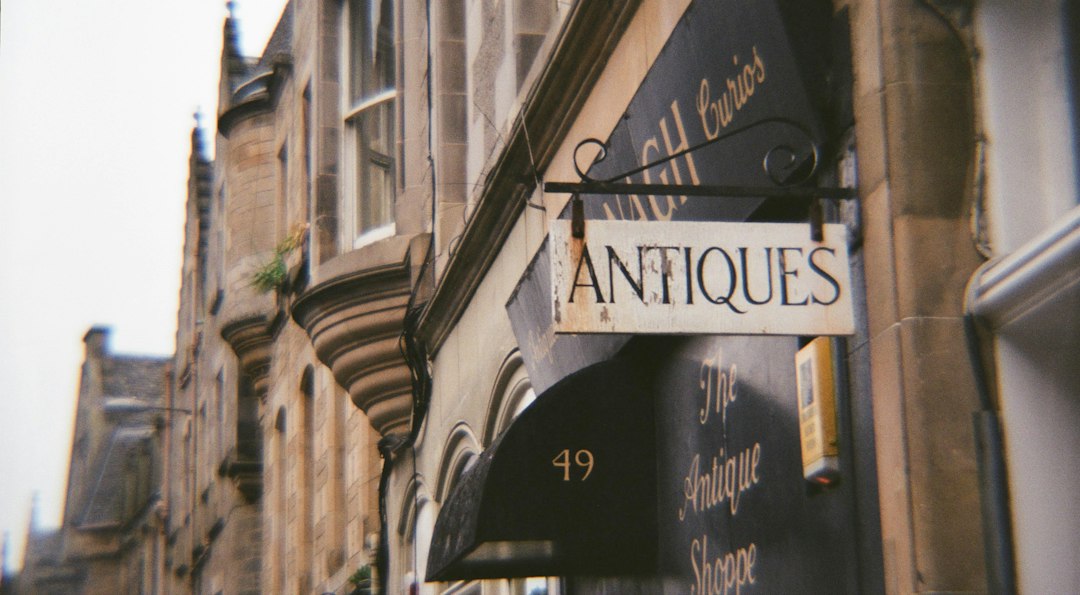
Photo by Aly Ko on Unsplash
An antique shopping road trip feels romantic at 8 am and inefficient by 3 pm if you overbook it. By the third shop, your eye gets dull, prices blur together and you start buying because you are tired of deciding. The best buyers keep the day simple: one major stop, one secondary stop, one wildcard.
For a UK antiques fair route in 2026, use the three-stop rule.
- Stop 1, early: your best fair, market or large centre from opening until around 11:30
- Stop 2, midday: a nearby town with 2 to 4 quality dealers, a pub lunch and time to review photos, measurements and receipts
- Stop 3, late afternoon: an auction viewing, salvage yard or one specialist shop
This pattern leaves room for traffic, packaging, coffee and the most important task of all: second thoughts. If you still want the item after lunch, it is usually a stronger buy.
For timing, remember these road-trip realities:
- Showground fairs often reward arrival in the first two hours, when stock is fresh
- Town shops are stronger from late morning to early afternoon, when owners are settled and willing to talk
- Auction previews work best late afternoon, when you can compare several lots at once
- Avoid scheduling long scenic detours on your main buying day; save those for transfer mornings
A strong antiques road trip 2026 is not about maximum mileage. It is about maximum decision quality.
What to buy on an antiques road trip and what to skip
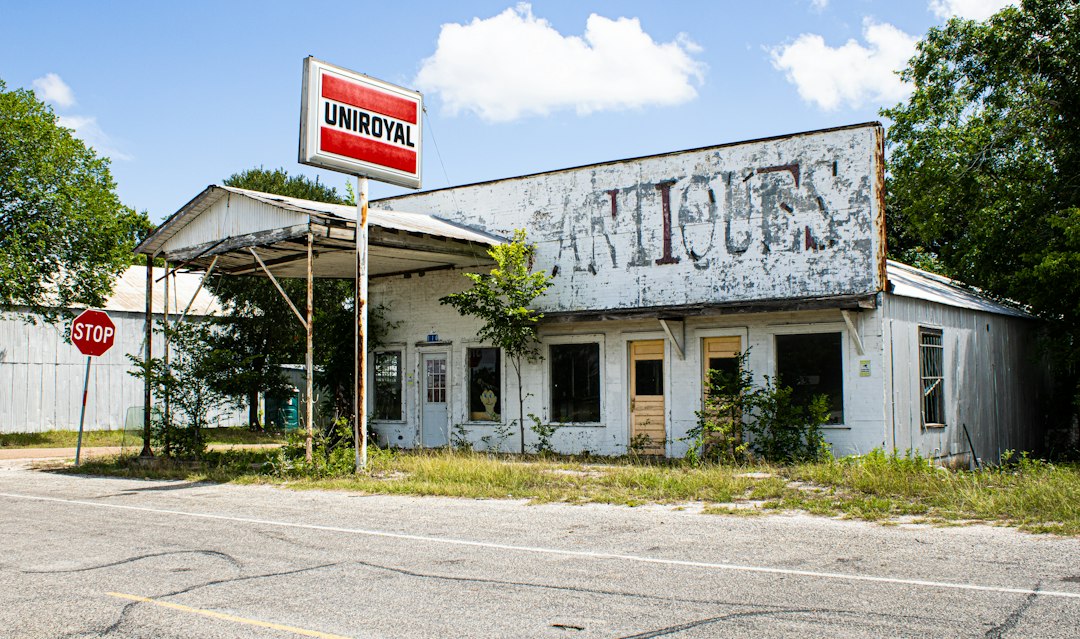
Photo by Ronald Crow on Unsplash
The smartest buyers shop for portable value. Think silver napkin rings, studio pottery, brass candlesticks, vintage linen, small oil paintings, maps, cutlery sets, wooden boxes and signed glass. These fit the car, survive the drive and travel home with much less drama than furniture.
The trap is size. A beautiful chair at 11 am can become a problem by 4 pm when you realise it blocks the rear window and forces you to skip three more shops. Unless you are shipping separately, buy for the boot you have, not the manor house you imagine.
Use this quick filter before paying.
| Category | Good road-trip buy? | Typical 2026 spend | Why it works or fails |
|---|---|---|---|
| Silver pieces under 30 cm | Yes | £25 to £180 | Portable, easy to inspect for hallmarks |
| Studio pottery and ceramics | Yes, with wrapping | £20 to £150 | Strong variety, but check chips in natural light |
| Vintage prints and maps | Yes | £15 to £120 | Flat, easy to carry, easy to frame later |
| Cutlery sets | Yes | £30 to £200 | Practical, giftable, often overlooked |
| Small furniture | Maybe | £60 to £250 | Only if you have exact measurements and blankets |
| Large mirrors | Usually no | £80 to £400 | Fragile, awkward, high breakage risk |
| Upholstered furniture | Usually no | £120 to £600 | Smells, stains and transport bulk add risk |
| Items with ivory, tortoiseshell or protected wood | No unless fully documented | Varies | Legal risk can ruin the trip |
When buying antiques in Britain, always ask four questions:
- Is it original, restored or partly rebuilt?
- Are there repairs, cracks, replacements or missing parts?
- Can the seller write a detailed receipt?
- Has this been tested, if it is electrical?
If the answer is vague, slow down. The same pause that helps you avoid street scams also helps in antiques halls, and the habit behind Avoid Scams While Traveling in 2026: Use the 30-Second Rule works surprisingly well here too.
Antiques road trip budget 2026: what it really costs
Travelers often underestimate two costs: parking and packing materials. The shopping itself is optional; the logistics are not. For a mid-range pair of travelers doing a 6-day antiques road trip 2026 in Britain, expect a realistic total of about £1,050 to £1,650 before purchases.
Here is a practical planning range.
| Cost item for 6 days, 2 people | Budget style | Mid-range | Comfortable |
|---|---|---|---|
| Car hire or own-car running cost | £180 | £280 | £420 |
| Fuel | £120 | £170 | £230 |
| Hotels | £450 | £720 | £1,020 |
| Parking and tolls | £40 | £85 | £140 |
| Fair entry and auction fees | £30 | £70 | £120 |
| Meals and coffee stops | £180 | £260 | £420 |
| Bubble wrap, tape, blankets, boxes | £20 | £40 | £70 |
| Total before antiques | £1,020 | £1,625 | £2,420 |
In 2026, a useful day budget is:
- £170 to £220 a day for two travelers keeping costs tidy
- £260 to £320 a day for a smoother mid-range trip with central stays
- £400 plus a day if you want stylish hotels and frequent shipping help
For the shopping fund itself, ring-fence a fixed number before you leave. A simple split is 70 percent for planned purchases, 20 percent for surprise finds and 10 percent for packaging or postage. If you want a neat framework, the math in Travel Budget Worksheet 2026: The 7-Line Trip Cost Plan adapts well to an antiques trip.
One more budget rule: carry some cash, but not too much. Many dealers take cards, yet smaller fairs and market stalls still run better with notes. Around £100 to £150 in small denominations is usually enough for deposits, parking machines and low-value buys.
Packing list, car setup and how to get antiques home safely
A normal road-trip packing list is not enough for antique shopping. You need a car that can become a small moving van by lunchtime. The soundtrack of a good buying day is not only birdsong and tyres on wet lanes; it is bubble wrap crackling in the boot and old brass softly knocking against wool blankets.
Bring this kit from day one.
- 2 moving blankets or thick old duvets
- 1 roll of bubble wrap
- Packing tape and a marker pen
- Soft cloth bags for silver and glass
- A tape measure at least 3 metres long
- Head torch or phone torch for inspecting dark corners and cabinets
- Bungee cords or tie-down straps
- Microfibre cloth to wipe dust and spot damage
- A folder or zip pouch for receipts and business cards
- A basic glove pair for lofts, barns and salvage yards
If you are flying home after the drive, build your buying plan around luggage reality. Flat pieces, boxed cutlery, linen and small ceramics can travel in checked bags with enough padding. Framed art, lamps, chairs and mirrors usually need courier help or a dedicated extra bag. Never assume a seller can pack to airline standard unless they clearly offer that service.
For driving, check whether your route crosses chargeable clean-air areas before you set off. Older rental cars and classic-vehicle events can complicate city access, so the government clean-air page above is worth checking the night before each urban stop.
Buying rules, border issues and the legal red flags travelers miss
The most expensive mistake on an antique shopping road trip is not overpaying. It is buying something you cannot legally export, import or insure. In 2026, the red-flag categories remain consistent: ivory, tortoiseshell, rosewood and other protected timbers, taxidermy, militaria, edged weapons, and old electricals with no testing history.
Use this buyer's checklist before any higher-value purchase.
- Ask for a full receipt with dealer name, date, price and item description
- Photograph the object from all sides before it leaves the shop
- Photograph any labels, hallmarks, signatures or lot numbers
- Confirm dimensions and weight in writing if you need shipping
- Ask whether the piece has restoration, replacement glass or non-original fittings
- Check import rules for your home country before you buy, not after
For legal checks, these official pages matter:
A good rule of thumb is brutally simple: if the seller cannot explain the material confidently and document it clearly, leave it behind. The same goes for electrics. Rewired lamps can be wonderful buys, but only if the rewiring is recent, competently done and suitable for the country where you will use it.
Haggling is possible, but tone matters. In antiques centres and independent shops, polite offers of 5 to 10 percent off are often acceptable, especially if you are buying more than one piece or paying immediately. At major fairs, early morning tends to mean firmer prices; late afternoon, when dealers want less to reload, can be the softer moment.
FAQ
Is three days enough for an antiques road trip in Britain?
Yes, if you keep it regional. For three days, do not try to cross the whole country. Pick one zone such as Yorkshire and Lincolnshire, or Norfolk and Essex, and aim for one major fair or centre each day.
What is the best month for an antiques road trip 2026?
September is excellent because roads are still easy to drive, daylight is long enough for late packing, and the antiques calendar is active after summer. April to June is also strong, especially if you want lighter traffic and cooler weather for loading the car.
Can I take antiques home in my suitcase?
Yes, but only the right kind. Silver, linen, cutlery, books, prints and small pottery pieces are realistic suitcase buys. Large glass, mirrors, lamps and furniture are usually better shipped separately.
Do dealers in the UK expect haggling?
Some do, some do not. A respectful offer works better than hard bargaining, especially in multi-dealer centres and fairs. Ask whether there is any room on the price rather than naming a dramatically lower figure.
What should first-time buyers avoid?
Avoid damaged ceramics you cannot repair cleanly, upholstered furniture with odour or hidden wear, and anything made from restricted materials. First-timers do best with small silver, framed prints, brassware, boxes and useful table pieces.
An antiques road trip 2026 is at its best when the day feels half treasure hunt, half geography lesson. You notice the shift from granite streets to soft eastern light, from polished city dealers to muddy fairgrounds, and you come home with objects that still carry the dust, stories and mileage of the journey.