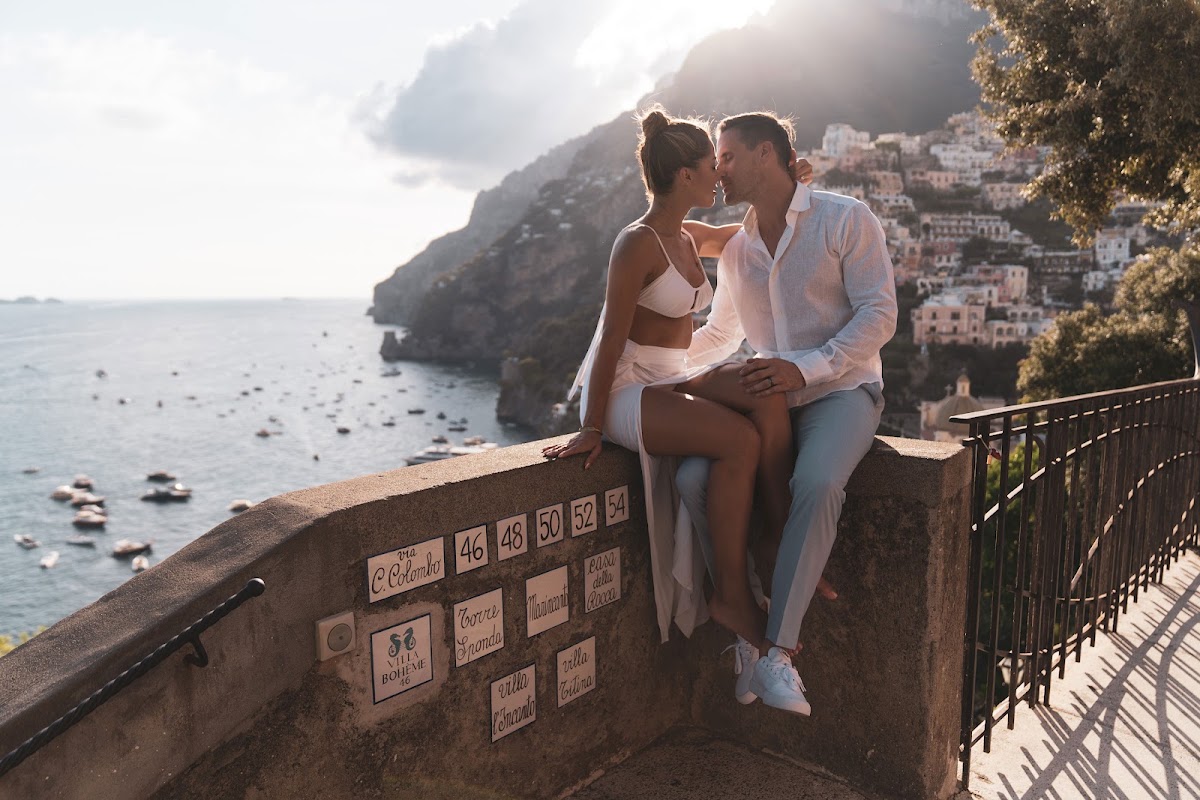
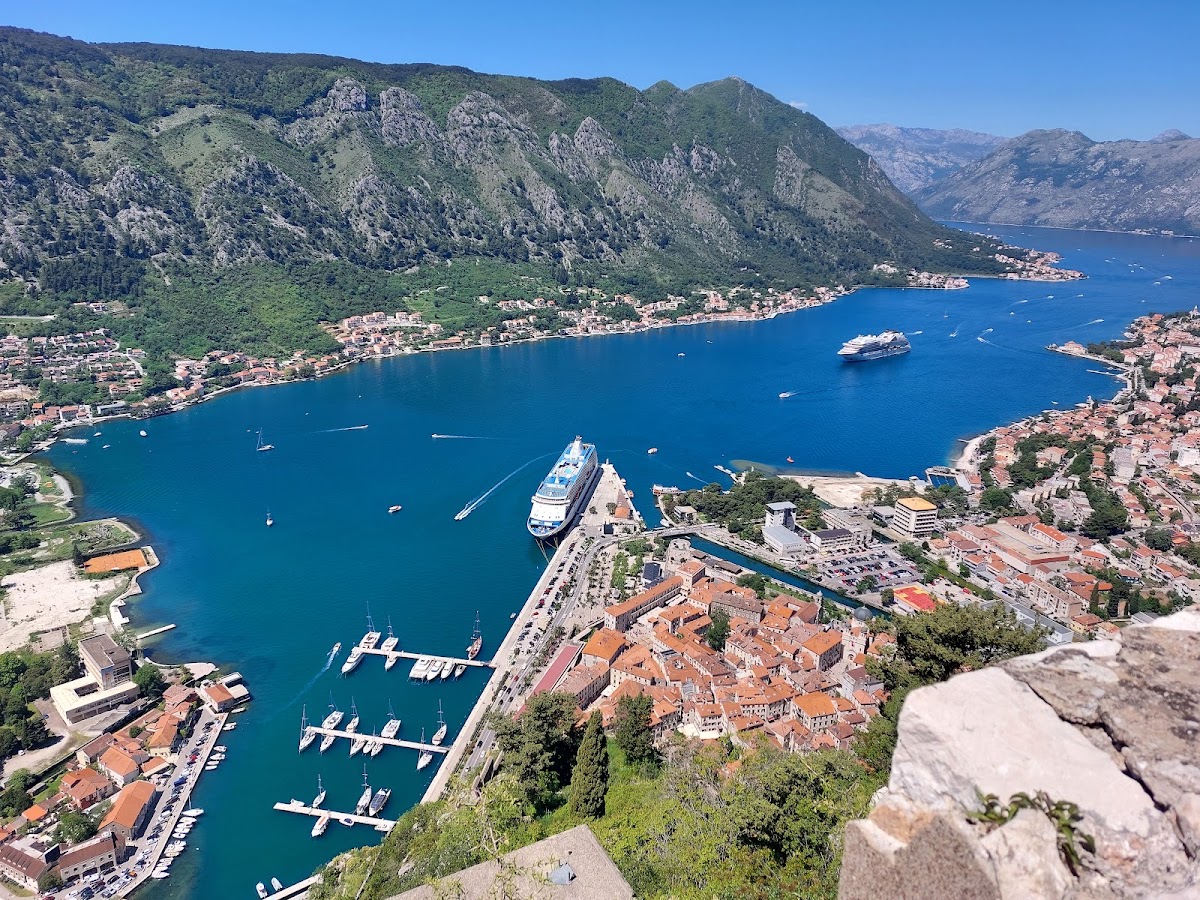
Europe's most memorable trips are often hiding in plain sight. While headline cities wrestle with timed-entry tickets, hotel caps, and shoulder-to-shoulder photo lines, the best hidden gems in Europe are still only a short train, bus, or ferry ride away. In 2026, that matters more than ever. The difference between a good trip and a story you keep retelling may be as simple as choosing the town with a real fish market over the one with a branded souvenir street.
That is why this guide focuses on places that still feel lived in rather than staged. These are underrated European destinations where church bells still beat playlists, where local bakeries sell out before noon, and where sunset is something people actually stop for. If you are planning around lower prices and fewer crowds, pair this read with Shoulder Season Travel Tips for 2026: Save More, See More, because many of these routes are at their best in May, June, and late September.
Below, you will find six deep, practical mini-guides for travelers who want less touristy Europe without sacrificing beauty, food, or culture. Think stone-roofed Albania, Roman-era Bulgaria, a Slovenian fishing town, a Tuscan hill city with Etruscan bones, prehistoric islands in Scotland, and Portugal's wild green north. These hidden gems in Europe are not empty places. That is the point. They are alive, just not overwhelmed.
| Destination | Best for | Best months | Typical daily budget | Good swap for |
|---|---|---|---|---|
| Gjirokaster, Albania | Ottoman streets, mountain views, old houses | May-Jun, Sep-Oct | EUR 45-90 | Kotor or Dubrovnik side trips |
| Plovdiv, Bulgaria | Culture, food, design districts, Roman ruins | Apr-Jun, Sep-Oct | EUR 55-110 | Prague or Budapest weekends |
| Izola, Slovenia | Seaside slow travel, swimming, seafood | Jun-Sep | EUR 70-150 | Piran or crowded Italian coast |
| Volterra, Italy | Tuscany without the crush, archaeology, views | Apr-Jun, Sep-Oct | EUR 90-180 | San Gimignano day trips |
| Orkney Islands, Scotland | Prehistory, cliffs, birdlife, long summer light | May-Aug | GBP 110-220 | Skye in peak season |
| Peneda-Geres, Portugal | Waterfalls, hikes, granite villages, wild swims | May-Jun, Sep | EUR 60-140 | Algarve in midsummer |
Why hidden gems in Europe feel smarter in 2026
Photo by Karina Syrotiuk on Unsplash
There is a practical reason to chase quieter maps now. Across the continent, the most famous urban cores are getting more expensive, more regulated, and more compressed into smaller windows of pleasant travel. That has pushed savvy travelers toward off the beaten path Europe: places where your budget stretches further, your meals feel more local, and you do not need to reserve every hour of your day three months ahead.
But the appeal is emotional too. Hidden gems in Europe offer a different texture of travel. You hear things again: cutlery on plates in a family-run taverna, fishing ropes tapping a harbor wall, the wind lifting across a ruined abbey or ridge path. In less touristy Europe, you are not only looking at the destination; you are moving with it. These six places prove that quiet places in Europe can still be rich, stylish, and deeply memorable.
Gjirokaster, Albania: one of the most underrated European destinations
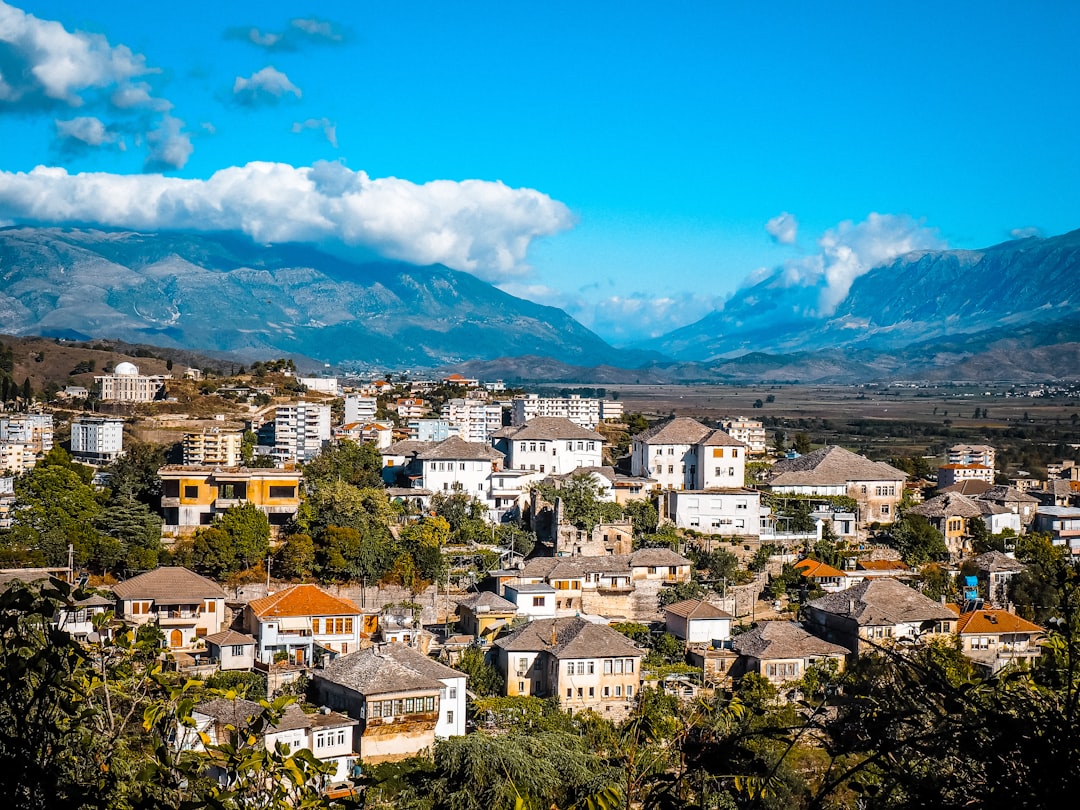
Photo by Adventure Albania on Unsplash
Gjirokaster rises out of southern Albania like a city sketched in slate and stone. Roofs overlap in gray scales, the bazaar tumbles downhill in polished cobbles, and the castle sits over the Drino Valley with the calm authority of a place that has watched empires come and go. By late afternoon, when the light turns honey-colored on the Ottoman houses, the whole town seems to glow from within. It has the drama people chase in more famous Balkan destinations, but with space to breathe.
What makes Gjirokaster one of the strongest hidden gems in Europe is how complete the experience feels without becoming exhausting. You can walk from a museum house to a mountain-view cafe, stop for qifqi made with herbs and rice, and end your night under fortress walls with a glass of local wine. There is heritage here, but it does not feel sealed behind velvet ropes. Laundry hangs over lanes, children kick footballs on side streets, and shopkeepers still have time to talk.
The old bazaar is the place to start. It curves along the hillside with carved wooden shopfronts, textiles, copperware, sweets, and shaded tables set just far enough from the main path to make you slow down. The best hours are early morning, when the stones are still cool and the souvenir stalls have not fully opened, or just before dinner, when the town takes on that smoky evening smell of grilling meat and coffee. Climb higher and you reach homes like Zekate House and Skenduli House, where painted ceilings and tower-like rooms show exactly how wealthy families once designed for beauty and defense at the same time.
If you only know Albania for its coast, Gjirokaster is your reminder that inland Albania may be the country's most atmospheric region. It feels like off the beaten path Europe in the best sense: not difficult, just underchosen.
Do not miss in Gjirokaster
- Gjirokaster Castle for valley views, military history, and the eerie stillness of its huge stone courtyards
- The Old Bazaar around Rruga Pazari i Vjeter for shopping, coffee, and people-watching
- Zekate House and Skenduli House for Ottoman domestic architecture
- The Cold War Tunnel when open on guided visits
- A twilight walk down the stepped lanes between the bazaar and the lower town
Plovdiv, Bulgaria: Roman layers and creative energy
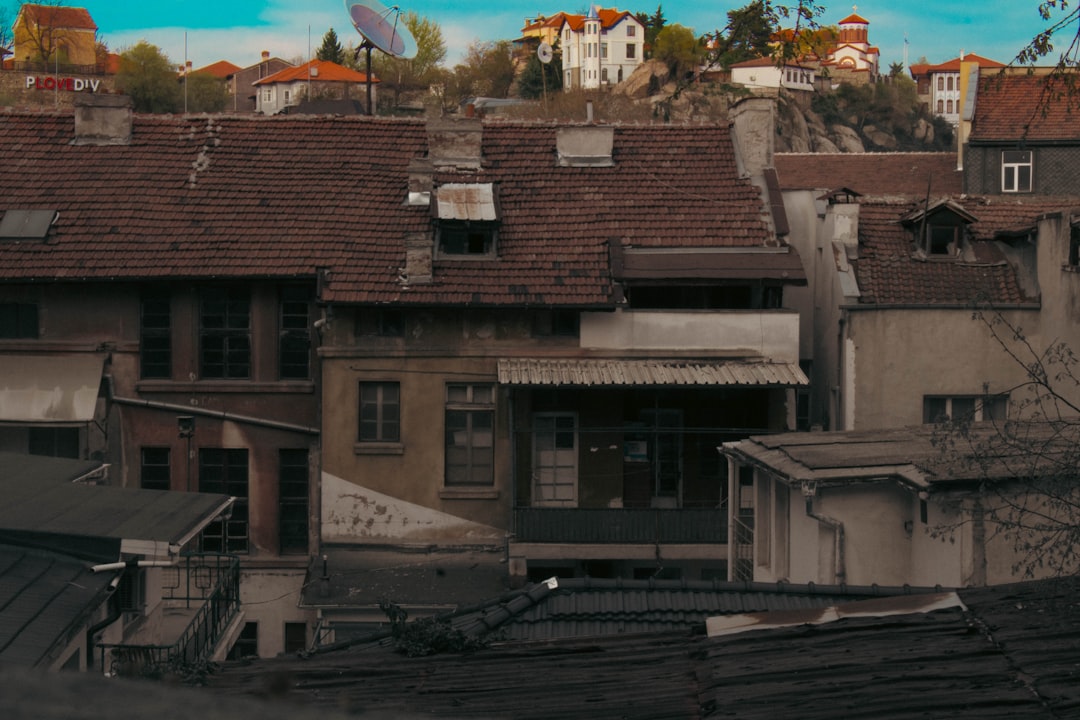
Photo by Vladislav Botev on Unsplash
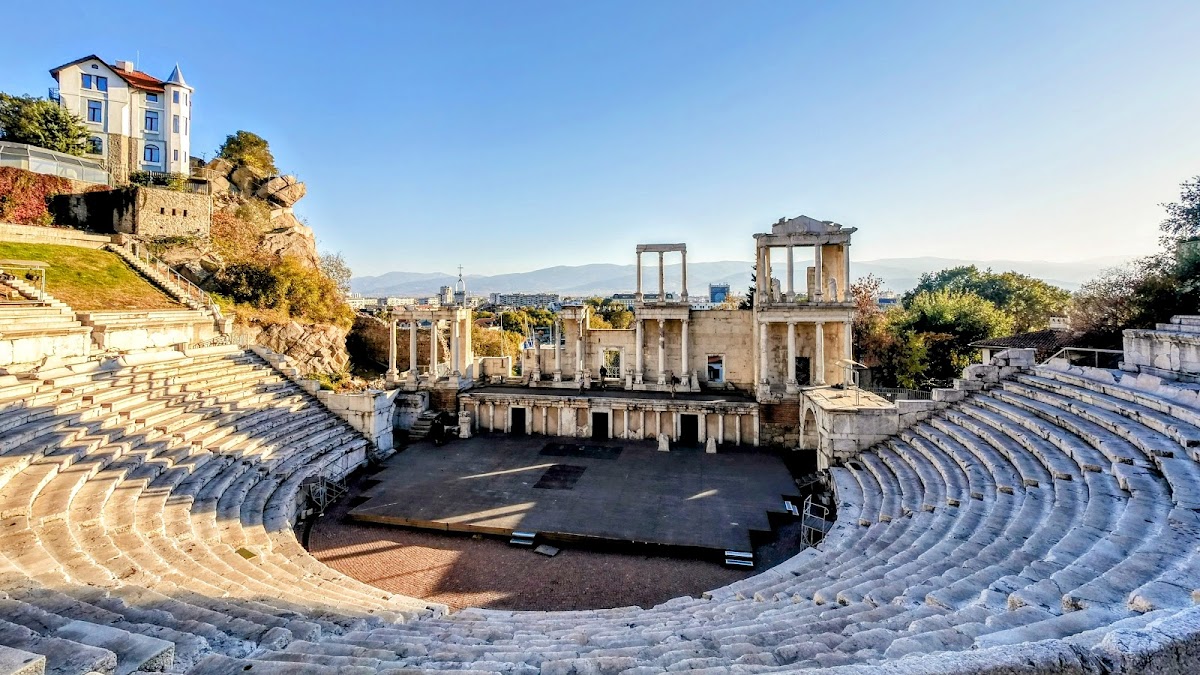
Plovdiv has the rare gift of feeling old and awake at the same time. Bulgaria's second city spreads across hills, but its beauty is not only in postcard views. It is in the Roman theatre still used for performances, the painted facades of the Old Town, the coffee-and-design pulse of Kapana, and the way modern Bulgarian life folds easily around two thousand years of history. Many travelers still rush through Sofia and the Black Sea coast, which leaves Plovdiv among the most underrated European destinations for a long weekend.
This is one of the hidden gems in Europe where the transitions are especially satisfying. One moment you are walking polished National Revival lanes beneath overhanging houses; twenty minutes later you are in a gritty-creative quarter full of bars, boutiques, and murals. The city never feels frozen for visitors. It feels used, in the best possible way. Grandmothers carry shopping bags through Roman-era surroundings. Students stay out late in Kapana. Musicians rehearse in courtyards. The whole place has rhythm.
Start in the Old Town, where uneven stones, hidden courtyards, and bright 19th-century mansions keep pulling you off the main path. The Roman Theatre of Philippopolis is the visual anchor, especially in the soft morning when the marble catches pale light and the city sprawls out below. From there, wander to Nebet Tepe for a breezier, rougher hilltop view. Then drop into Kapana, the Trap, where side streets smell like espresso, baked banitsa, and grilled meat. If you come in the evening, the neighborhood shifts from slow cafe district to lively social stage.
Plovdiv works particularly well for travelers looking for less touristy Europe with real urban energy. It is cultured without being formal, affordable without feeling stripped down, and full of those travel moments that come from simply staying out a little longer than planned.
Do not miss in Plovdiv
- The Roman Theatre of Philippopolis for one of Europe's best-preserved ancient performance spaces
- Kapana district for bars, independent shops, and street art
- Nebet Tepe for sunset and layered city views
- The Regional Ethnographic Museum in the Kuyumdzhioglu House
- A slow walk along ulitsa Saborna and the surrounding Old Town lanes
Izola, Slovenia: a quiet place in Europe by the Adriatic
If you want the Adriatic without the performance of the Adriatic, go to Izola. This small Slovenian fishing town sits between better-known coastal names, but that is exactly its advantage. Venetian architecture is still there, boats still move in and out of the marina, and the sea is close enough to shape everything from the menus to the evening breeze. What you will not find in the same quantity is the self-conscious crowding of more famous coastal towns.
Izola is one of those quiet places in Europe that reveals itself through details. Laundry fluttering from pastel shutters. A market smell of tomatoes, figs, and brine. The soft slap of water against harbor walls. Families taking an evening passeggiata rather than racing between must-see sights. It feels like the kind of place people say they want when they ask for authentic coastal Europe, only here the request still seems possible.
The old core is compact and easy to love. Streets open suddenly onto the sea, church towers create little pockets of shade, and seafood restaurants spill toward the marina. Svetilnik beach, on the former island edge, is one of the easiest places in less touristy Europe to understand the appeal of doing almost nothing well: a swim, a coffee, another swim, a plate of grilled fish, then a long amber sunset. If you want movement, the old Parenzana railway route makes an excellent cycling or walking trip toward Koper or inland vineyards.
Among hidden gems in Europe, Izola stands out because it is both practical and poetic. You can reach it easily from Italy or Ljubljana, yet once you arrive the pace softens immediately.
Do not miss in Izola
- Svetilnik Beach for clear water and sunset swims
- The Marina and old harbor for early-morning fishing-town atmosphere
- Manzioli Square and the old lanes behind it
- Simonov Zaliv area for beach time and nearby Roman archaeology
- The Parenzana path toward Koper or Portoroz for a scenic half-day cycle
Volterra, Italy: off the beaten path Europe in Tuscany
Tuscany is hardly unknown, which is exactly why Volterra feels like such a revelation. Most itineraries loop between Florence, Siena, and San Gimignano, then wonder why the region feels crowded and expensive. Volterra sits high on a ridge of wind and stone, looking out over folds of cypress country, but it receives a fraction of the pressure. The town is older than many visitors realize, with deep Etruscan roots, Roman remains, medieval power, and a long tradition of alabaster craftsmanship that still gives the center a working identity.
This is off the beaten path Europe for travelers who want atmosphere without losing comfort. Volterra has noble piazzas, proper wine bars, artisan shops, and serious food, but it also keeps a touch of roughness. The walls feel old because they are old. The light on the stone feels dusty and mineral. Even in summer, once the day trippers slip away, the town becomes quieter and more mysterious than many Tuscan heavyweights.
Begin at Piazza dei Priori, one of Italy's most striking civic squares, where the severe medieval facades give the town its gravitas. Then walk to the Roman Theatre, partially sunken into the slope below the center, where arches and columns emerge from the earth as if the hill had slowly decided to reveal its past. The Etruscan Museum adds another layer, while alabaster workshops show that Volterra is not only a place to observe but a place where skilled hands still make things. For a broader sense of the landscape, head toward the Balze cliffs, where erosion has carved dramatic edges into the countryside.
If your idea of hidden gems in Europe includes places that reward lingering after dinner, Volterra belongs on the shortlist. The air cools, glasses clink under vaulted ceilings, and the town's stone seems to hold the heat of the day just a little longer.
Do not miss in Volterra
- Piazza dei Priori and Palazzo dei Priori for the heart of the old city
- Roman Theatre and Archaeological Park Enrico Fiumi
- Museo Etrusco Guarnacci for one of Italy's richest Etruscan collections
- Alabaster workshops near the historic center
- The Balze viewpoints for dramatic late-afternoon panoramas
Orkney Islands, Scotland: ancient landscapes in quiet places in Europe
Orkney does not seduce you with obvious prettiness first. It works more slowly than that. The islands open through weather, silence, and scale: low green fields edged by stone walls, broad sea light, villages that look almost miniature against the sky, and archaeological sites so old they reset your sense of time. If mainland Scotland often feels dramatic in a vertical way, Orkney feels dramatic horizontally. The horizon is part of the experience.
That makes the archipelago one of the most rewarding hidden gems in Europe for travelers who love history, birdlife, and the emotional charge of remote landscapes without total isolation. Kirkwall has enough restaurants and infrastructure to feel comfortable, but within minutes you are driving past standing stones, lochs, and cliff edges. Summer days stretch late into the night, and even gray weather has a cinematic quality here. Salt hangs in the air. Wind moves across grass in ripples. The sea is never far away.
The big draw is the Heart of Neolithic Orkney. Skara Brae, the Ring of Brodgar, and the Stones of Stenness are not side attractions; they are among Europe's great prehistoric sites. Yet the islands never feel reduced to them. You can spend a morning in St Magnus Cathedral, an afternoon at Yesnaby Cliffs watching the Atlantic crash into sandstone stacks, and then finish with local whisky or seafood in Kirkwall. There is texture everywhere: wartime history at the Italian Chapel, sea birds on boat trips, tiny farm shops, and skies that seem to change every twenty minutes.
For travelers craving less touristy Europe, Orkney offers something rare: a destination that is deeply famous in specialist circles and still surprisingly overlooked by the average trip planner.
Do not miss in Orkney
- Skara Brae for an unforgettable Stone Age settlement by the sea
- Ring of Brodgar and Stones of Stenness for wide-sky prehistoric drama
- St Magnus Cathedral in central Kirkwall
- Yesnaby Cliffs for walking, seabirds, and raw Atlantic views
- The Italian Chapel on Lamb Holm for a moving wartime stop
Peneda-Geres, Portugal: wild water and granite villages
Portugal is often reduced to Lisbon, Porto, and beach clichés, which leaves Peneda-Geres as one of the great hidden gems in Europe for anyone who prefers rivers, forests, and stone hamlets to beach clubs. This national park in the north is a landscape of steep wooded valleys, reservoirs the color of dark glass, wild swimming pools, shepherd paths, and granite villages where the architecture seems grown from the mountain itself.
Geres feels tactile. Water runs cold and clear even in warm weather. Pines and scrub release resin and herbal smells in the heat. Cows move slowly through village lanes. Old espigueiros, the raised granite granaries of places like Soajo, stand in lines like sentries on the ridge. Compared with Portugal's famous urban stops, this is off the beaten path Europe that rewards active days and deeply quiet nights.
The beauty here comes with variety. You can spend one day viewpoint-hopping by car, another on a serious marked trail, and another simply moving between roadside cafes, river beaches, and stone villages. Pedra Bela gives you the broad dramatic sweep people want from mountain landscapes, while places like Cascata do Arado and Tahiti Waterfall add the kind of turquoise splash that sends everyone reaching for a camera. Yet Geres is best when you step just beyond the famous photo stops: a Roman road through forest, a shepherd track above a valley, a simple lunch of grilled meat and vinho verde after a long swim.
Among underrated European destinations, Peneda-Geres is perfect for travelers who want nature with soul rather than spectacle alone.
Do not miss in Peneda-Geres
- Pedra Bela viewpoint for one of the park's classic panoramas
- Cascata do Arado for a dramatic waterfall and swimming area
- Soajo village and its granite granaries
- Mata da Albergaria for forest walks and traces of an old Roman road
- A river swim near Portela do Homem on a hot afternoon
How to get there
The best hidden gems in Europe are often easier to reach than they appear. The trick is not always finding a direct flight; it is accepting that a beautiful trip may involve one clean transfer by train, bus, or ferry. Once you stop expecting every destination to begin at an airport gate, your options widen dramatically.
Transport costs stay lowest when you book the longer legs first and leave short local transfers flexible. For off the beaten path Europe, I usually lock in flights and intercity transport early, then keep the final bus, ferry, or rental car segment adjustable in case of weather. That matters especially for Orkney and Peneda-Geres, where conditions can shape the day.
| Destination | Best gateways | Typical route | Time and cost | Useful links |
|---|---|---|---|---|
| Gjirokaster | Tirana TIA, Corfu CFU | From Tirana, bus or drive south via Tepelene. From Corfu, ferry to Saranda then bus. | Tirana to Gjirokaster 4-4.5 hrs, about EUR 15 by bus. Corfu to Saranda ferry 30-70 mins, EUR 19-35, then bus about 1.5 hrs, EUR 8-10. | Albania tourism, Ionian Seaways |
| Plovdiv | Sofia SOF | Train or bus from Sofia to Plovdiv. | Bus about 2 hrs, EUR 8-10. Train 2.5 hrs, EUR 6-8. Driving about 1 hr 45 mins. | Visit Plovdiv, BDZ rail, Sofia Central Bus Station |
| Izola | Trieste TRS, Ljubljana LJU, Venice VCE | Shuttle or rental car to Izola, or bus via Koper. | From Ljubljana about 2 hrs by bus, EUR 13-18. From Trieste about 1 hr 15 mins by car. Koper to Izola bus about 15 mins, under EUR 2. | Visit Izola, Arriva Slovenia |
| Volterra | Pisa PSA, Florence FLR | Train to Pontedera or Empoli, then bus. Rental car gives most flexibility. | Pisa to Volterra about 1 hr 20 mins by car. Florence about 1 hr 45 mins. Public transport usually 2.5-3 hrs, about EUR 15-25 total. | Visit Tuscany, Trenitalia, Autolinee Toscane |
| Orkney | Kirkwall KOI, Inverness INV, Aberdeen ABZ | Fly to Kirkwall or take NorthLink ferry from Scrabster to Stromness. | Edinburgh or Aberdeen flights to Kirkwall about 1 hr. Scrabster to Stromness ferry about 1.5 hrs, foot passenger often GBP 24-35 one way. | Visit Orkney, NorthLink Ferries |
| Peneda-Geres | Porto OPO | Train to Braga, then rental car or bus toward Geres area. Driving is easiest. | Porto to Braga 40-50 mins by train, EUR 4-8. Braga to Geres about 1 hr by car. Porto to Geres about 1.5 hrs direct by car. | Visit Portugal, CP rail, ICNF park info |
If you are trying to stretch the budget further, two combinations work especially well: Plovdiv plus Sofia, and Izola plus Trieste or Ljubljana. For scenic multi-stop travel, Gjirokaster pairs beautifully with the Albanian Riviera or Meteora in Greece, while Volterra fits naturally between Florence and the Tuscan coast.
Things to do
The best way to approach hidden gems in Europe is to resist the temptation to overschedule them into mini versions of Paris or Rome. These places shine when you leave room for weather, meals, and accidental discoveries. Build each day around one or two anchors, then let the streets or landscape do the rest.
Below are the experiences that most clearly capture why these six places belong in any shortlist of underrated European destinations. Use them as the spine of your itinerary, not a box-ticking race.
Gjirokaster
- Walk Gjirokaster Castle at opening time for cooler temperatures and the best valley light. The site is large enough to deserve at least 90 minutes.
- Explore the Old Bazaar and side lanes off Rruga Pazari i Vjeter. Copper shops, embroidered textiles, and shaded coffee stops make this the social heart of town.
- Visit Zekate House or Skenduli House for carved ceilings, family history, and a sense of how defensive architecture shaped domestic life.
- Hike toward Ali Pasha Bridge if you want a quieter stretch of countryside and a break from cobbles.
Plovdiv
- Enter the Roman Theatre early, then continue through the Old Town before group tours thicken. The light on the facades is best before noon.
- Wander Kapana block by block rather than destination by destination. The charm is in the mix of bakeries, record shops, murals, and wine bars.
- Climb to Nebet Tepe in late afternoon for a broad view over the city and the Maritsa plain.
- Spend an hour at the Regional Ethnographic Museum, then coffee-hop your way back downhill through ulitsa Saborna.
Izola
- Swim at Svetilnik Beach, especially near sunset when the water softens to silver and the crowd stays mostly local.
- Stroll the marina at dawn or around fishing return time for the strongest sense of Izola as a working town, not just a resort.
- Cycle or walk part of the Parenzana route toward Koper for sea views and an easy active half day.
- Visit Simonov Zaliv for a beach break with a side of Roman archaeology.
Volterra
- Spend your first hour in Piazza dei Priori before the day-trippers arrive. The square feels entirely different in the morning hush.
- Tour the Roman Theatre and archaeological area to appreciate how much of Volterra still lies under its current streets.
- Visit Museo Etrusco Guarnacci, one of the richest museums for understanding pre-Roman Tuscany.
- Walk toward the Balze viewpoints late in the day for dramatic landforms and broad valley light.
Orkney
- Follow the Neolithic circuit: Skara Brae, Ring of Brodgar, and Stones of Stenness. Give yourself a full day and flexible timing for weather.
- Explore Kirkwall on foot, including St Magnus Cathedral and the harbor area.
- Drive or bus to Yesnaby Cliffs for a walk where the Atlantic does all the talking.
- Stop at the Italian Chapel on Lamb Holm for one of the most unexpectedly moving heritage sites in Britain.
Peneda-Geres
- Start at Pedra Bela viewpoint to get your bearings over the mountains, water, and forest folds of the park.
- Visit Cascata do Arado in the morning before roadside parking tightens and the light gets harsh.
- Explore Soajo and nearby rural lanes to understand the human landscape, not only the natural one.
- Walk Mata da Albergaria for mossy forest, water crossings, and traces of an old Roman route.
- If you want your first proper trekking trip to begin here, skim First Multi-Day Hiking Trip 2026: Beginner Planning Guide before committing to longer trails.
Where to stay
Accommodation can make or break these trips more than in bigger capitals. In hidden gems in Europe, the right hotel is often less about luxury branding and more about placement: close to the old town gate, near the harbor, beside the ferry bus stop, or on a ridge with parking that saves you half an hour of logistics every day.
For city-style stops like Plovdiv and Gjirokaster, I would stay in or just beside the historic core. For Orkney and Peneda-Geres, a car-friendly base matters more. In Volterra, choose whether you want to sleep inside the walls or in the countryside outside them.
| Destination | Budget | Mid-range | Luxury |
|---|---|---|---|
| Gjirokaster | Stone City Hostel, about EUR 15-25 | Hotel Kalemi 2, about EUR 60-90 | Kerculla Resort, about EUR 110-170 |
| Plovdiv | Hostel Old Plovdiv, about EUR 18-35 | Hotel Evmolpia, about EUR 80-120 | Gallery 37 Powered by Aston, about EUR 130-190 |
| Izola | Hostel Alieti, about EUR 25-45 | Hotel Marina, about EUR 110-170 | Hotel Cliff Belvedere, about EUR 170-260 |
| Volterra | Albergo Etruria, about EUR 70-100 | Hotel San Lino, about EUR 120-170 | Borgo Pignano, about EUR 450-900 |
| Orkney | Kirkwall Youth Hostel, about GBP 35-55 dorm or GBP 85 private | The Ayre Hotel, about GBP 120-170 | Lynnfield Hotel, about GBP 210-320 |
| Peneda-Geres | HI Geres Pousada de Juventude, about EUR 18-30 | Hotel Sao Bento da Porta Aberta, about EUR 75-120 | Pousadela Village, about EUR 180-300 |
Two booking notes matter in 2026. First, Orkney accommodation can sell out far ahead during archaeology season and summer school holidays, so book early if you need a car plus room combination. Second, Izola and Volterra get much better value if you sleep Sunday to Thursday rather than over a summer weekend.
Where to eat
Food is one of the strongest reasons to choose less touristy Europe. In quieter destinations, local dishes are usually not preserved as performance; they are simply dinner. Portions tend to be more generous, wine lists more local, and service more direct. That usually means better value and a clearer sense of place.
These are not places where you need a spreadsheet of reservations. Still, a few names are worth saving, especially in summer or on weekends. Go hungry, eat slowly, and order the local specialty before the international fallback.
Gjirokaster
Gjirokaster is the place to try qifqi, the town's signature rice balls scented with mint and herbs, along with pasha qofte and house-made gliko preserves. Try Kujtimi in the bazaar for traditional plates in a classic setting, Taverna Kuka for hearty grilled dishes and valley views, and Odaja for a more old-house atmosphere. A solid meal with wine often lands around EUR 12-22 per person.
Plovdiv
In Plovdiv, eat between the Old Town and Kapana. Pavaj is excellent for Bulgarian comfort food with a polished feel, Rahat Tepe brings sweeping views with regional cooking, and Aylyakria in Kapana is good for a relaxed modern take on local flavors. Expect banitsa in bakeries, shopska salad almost everywhere, and dinners around EUR 15-28 with drinks.
Izola
Seafood dominates, as it should. Go for grilled sea bass, sardines, buzara-style shellfish, and local Malvasia or Refosk wine. Gostilna Sidro is a reliable harbor choice, Bujol offers a more refined plate-and-wine experience, and Marina Restaurant works well when you want a classic waterside dinner. Seafood mains often sit between EUR 18 and EUR 35.
Volterra
Volterra leans into Tuscan depth rather than coastal light: pici pasta, wild boar ragu, pecorino, truffles in season, and bold red wine. Enoteca Del Duca is one of the town's most dependable choices for a serious meal, La Carabaccia is beloved for traditional cooking, and Osteria La Pace is a good fallback in the center. Budget about EUR 25-45 per person for dinner with wine.
Orkney
The islands offer superb beef, lamb, crab, scallops, smoked fish, and distinctive local cheddar. In Kirkwall, Helgi's does strong seafood and harbor views, The Storehouse is a dependable all-rounder with local produce, and Foveran is worth the splurge for a more ambitious meal. Main courses usually range from GBP 16 to GBP 34.
Peneda-Geres
This is hearty northern Portuguese country cooking: posta barrosa beef, rojões, local trout, smoked sausages, caldo verde, and vinho verde. Adega Ramalho is a classic regional stop, Lurdes Capela is a dependable choice for robust Minho cooking, and taverns around Geres village often serve generous grill plates for EUR 12-20. Eat lunch late, and do not underestimate how welcome a simple soup and bread can feel after a long hike or swim.
Practical tips
Planning hidden gems in Europe is usually easier on the ground than in the abstract. The places look remote on a map, but once you understand the basic rhythm of transport, weather, and meal times, they become straightforward. The main adjustment is mental: build for flexibility, not maximum density.
For multi-stop trips with ferries, buses, weather shifts, and rural check-ins, I keep tickets, screenshots, and backup route notes in TravelDeck, especially when mobile signal drops right where the view gets best. It matters most in Orkney, Gjirokaster side routes, and Peneda-Geres, where one delayed leg can ripple through the day.
| Month | Gjirokaster | Plovdiv | Izola | Volterra | Orkney | Peneda-Geres |
|---|---|---|---|---|---|---|
| April | Cool to mild, green hills | Great city weather, low crowds | Chilly sea, pleasant walks | Excellent for sightseeing | Cold, windy, some closures | Lush landscapes, cool swims |
| May | Ideal | Ideal | Good shoulder season | Ideal | Fresh, long days begin | One of the best months |
| June | Warm, lively | Warm, event-friendly | Swim season starts | Warm but manageable | Excellent light | Excellent before peak heat |
| July | Hot midday sun | Hot afternoons | Peak seaside season | Busy weekends | Popular but spacious | Warm, some parking pressure |
| August | Very warm | Very warm | Busy coast | Hottest month | Good weather, book early | Busy domestic holiday period |
| September | Excellent | Excellent | Warm water, softer crowds | Excellent | Cooler, moodier | Excellent |
| October | Cool evenings, beautiful | Pleasant | Variable but quiet | Very good | Shorter days | Good for hiking if dry |
Budget and money
- Albania uses the lek, Bulgaria the lev, Orkney the pound, and Slovenia, Italy, and Portugal the euro.
- Gjirokaster and Plovdiv are the strongest value plays in this guide. Orkney is the most expensive, especially once you add car rental or ferry costs.
- Carry some cash for rural cafes, parking, or smaller family businesses, especially in Albania and Portugal.
Packing
- Good walking shoes are non-negotiable. Gjirokaster and Volterra are steep and cobbled.
- Bring a light layer even in summer for Orkney evenings and sea breezes in Izola.
- Water shoes are useful in parts of Peneda-Geres and rocky Adriatic swim spots.
- Sun protection matters more than many travelers expect in Albania, Bulgaria, and inland Tuscany.
Driving and transport
- You do not need a car in Plovdiv, Gjirokaster, or Izola unless you are adding day trips.
- A car is strongly recommended in Orkney and Peneda-Geres.
- Volterra is possible by public transport but easier by car, especially if staying outside the walls.
- In summer, reserve Orkney ferries and rental cars well ahead.
Safety and etiquette
- These are generally safe destinations, but old stones, cliff edges, and mountain roads are a bigger real-world risk than crime.
- In Albania and Bulgaria, a few polite phrases go a long way, though English is increasingly common in tourism-facing businesses.
- Dress respectfully when entering churches or monasteries.
- Solo travelers should feel comfortable in all six places with normal care. For broader city-to-trail habits, see Solo Travel Safety Tips for 2026: A Confident Guide.
Connectivity
- EU roaming usually covers Slovenia, Italy, Portugal, and Bulgaria. Albania and the UK may require a separate plan depending on your provider.
- Download offline maps before heading into Peneda-Geres or rural Orkney.
- Restaurant hours can be more traditional than in larger cities. In Volterra and Gjirokaster especially, confirm dinner times outside peak season.
FAQ
What are the best hidden gems in Europe for first-time travelers?
If you want the easiest learning curve, start with Plovdiv, Izola, or Volterra. They combine strong beauty, straightforward logistics, and enough tourism infrastructure to feel easy without losing local character. Among hidden gems in Europe, they are especially good for travelers trying quieter destinations for the first time.
Which of these destinations is the cheapest?
Gjirokaster and Plovdiv usually offer the best value for accommodation, meals, and local transport. You can still travel well on a moderate budget in Peneda-Geres, especially if sharing a rental car. Orkney is the costliest because ferries, flights, and rooms add up quickly.
Do I need a car for off the beaten path Europe?
Not always. Plovdiv and Izola work very well without one, and Gjirokaster is manageable by bus. A car becomes much more useful in Volterra, essential for getting the most out of Orkney, and close to essential in Peneda-Geres if you want freedom beyond the main viewpoints.
When is the best time to visit these quiet places in Europe?
May, June, and September are the sweet spots for most of this list. You get better prices, softer light, more hotel choice, and fewer crowds while still enjoying good weather. July and August work, but the charm of less touristy Europe is strongest just outside peak school-holiday weeks.
Are these destinations good for solo travelers?
Yes. Plovdiv and Volterra are especially easy for solo cultural trips, while Izola is great if you want a calm coastal base. Orkney and Peneda-Geres are better solo if you are comfortable driving and planning around weather.
The real pleasure of choosing hidden gems in Europe is not only that they are quieter. It is that they still reveal the ordinary life that mass tourism often sands away. You notice the first bakery opening in a stone lane, the smell of rosemary on a hot wall, the scrape of fishing chairs on a harbor terrace, the silence between standing stones when the wind drops.
In 2026, that kind of travel feels less like compromise and more like luxury. Not because it is exclusive, but because it gives something back: time, texture, surprise, and the feeling that the place would still be itself whether you arrived or not. Those are usually the trips that stay with you longest.