The oddest truth about European travel in 2026 is this: some of the continent’s best moments happen just beyond the places everyone books first. These less touristy Europe destinations give you Roman ruins, Adriatic swims, pine-scented hikes, and candlelit old towns without the elbow-to-elbow pressure that can flatten a trip. When I sketch routes in TravelDeck, these are the stops I place between the headline cities, because they turn a standard Europe vacation into a story with texture.
Most travelers still move in a familiar loop: Paris, Rome, Amsterdam, Barcelona, maybe a famous island or two. Meanwhile, a second map exists underneath the obvious one. On that map, breakfast happens in a Bulgarian art district instead of another generic old square. A beach afternoon unfolds south of Rome where the sand is wide and locals still linger for sunset passeggiata. An Adriatic harbor smells of grilled squid and sea salt instead of sunscreen and cruise exhaust. These less touristy Europe destinations are not remote for the sake of being remote. They are simply places that reward curiosity.
That distinction matters. Europe off the beaten path used to mean awkward transport, thin dining options, and the risk that you had wandered somewhere more interesting in theory than in practice. That is no longer true. Many of today’s best alternative European destinations sit one airport transfer, one scenic rail leg, or one ferry ride away from the places you already know. If you are stitching together flights and rail passes, How to Use Travel Points in 2026 for a Cheaper Europe Trip is useful background before you lock in a route.
Why less touristy Europe destinations feel smarter in 2026
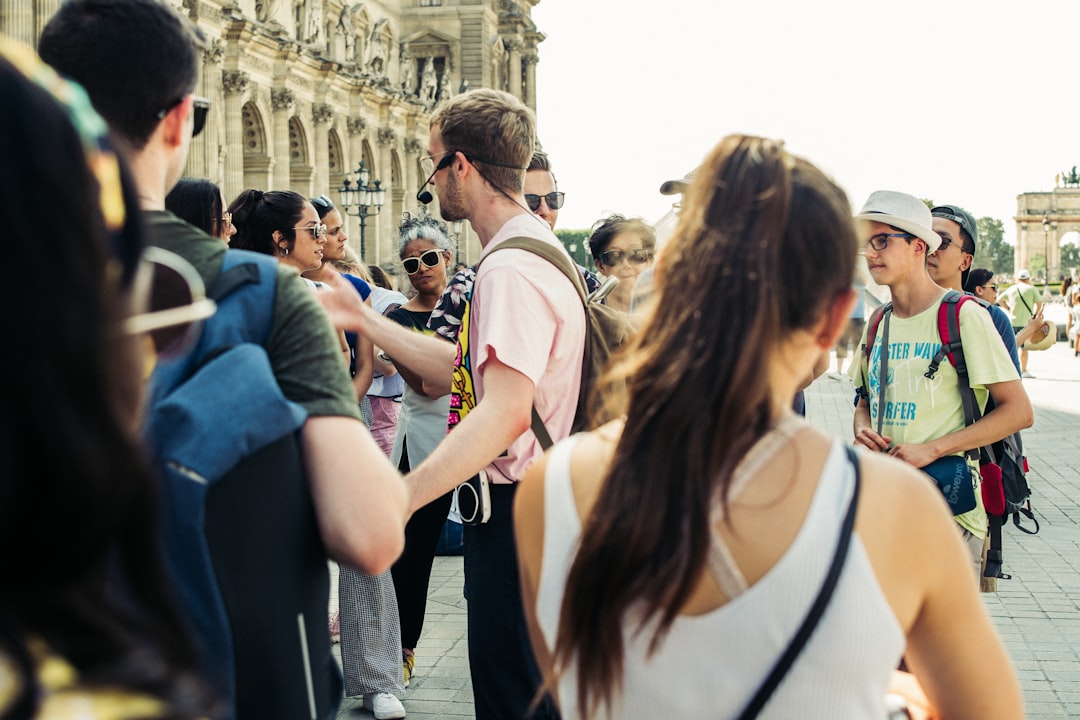
Photo by Bernie Almanzar on Unsplash
Crowds do more than slow you down. They alter how a place sounds, tastes, and behaves. A waterfront that should smell of coffee and salt starts feeling like a queue. A market designed for daily life turns into a backdrop. The best underrated European towns avoid that flattening effect. They let you hear church bells instead of tour megaphones, find a table without planning your whole day around it, and spend money in places where tourism still lands as a welcome exchange rather than a burden.
That does not mean these places are empty or undiscovered. It means they still function as themselves. Students cross the square on bikes. Fishermen unload boxes near harbor bars. Families occupy the best gelato line because it is actually the best gelato line, not because it got viral. Quiet places in Europe often feel richer for exactly that reason: you are stepping into local rhythm rather than competing with it.
Here is the sweet spot I looked for when choosing these less touristy Europe destinations:
- Easy access from a major airport or rail hub
- Strong sense of place rather than generic prettiness
- Enough food and hotel choice to stay 2 to 4 nights comfortably
- Distinct seasonal appeal, from beach weather to shoulder-season city breaks
- Real planning value for travelers who want Europe off the beaten path without logistical pain
| Destination | Best for | Nearest major hub | Best months | Typical daily budget |
|---|---|---|---|---|
| Plovdiv, Bulgaria | History, wine bars, creative districts | Sofia SOF | Apr-Jun, Sep-Oct | €55-€130 |
| Ghent, Belgium | Canal city break, art, food | Brussels BRU | Mar-Jun, Sep-Dec | €95-€220 |
| Terracina, Italy | Beach plus history | Rome FCO or CIA | May-Jun, Sep | €90-€240 |
| Izola, Slovenia | Slow Adriatic days, seafood | Trieste TRS or Ljubljana LJU | May-Sep | €85-€210 |
| Ulcinj, Montenegro | Beaches, Old Town, Balkan coast | Podgorica TGD | Jun-Sep | €60-€170 |
| Villach, Austria | Lakes, Alps, wellness | Ljubljana LJU or Klagenfurt KLU | May-Oct, Dec | €110-€260 |
| Peneda-Gerês, Portugal | Nature, villages, waterfalls | Porto OPO | May-Jun, Sep-Oct | €75-€220 |
How to get there for these alternative European destinations
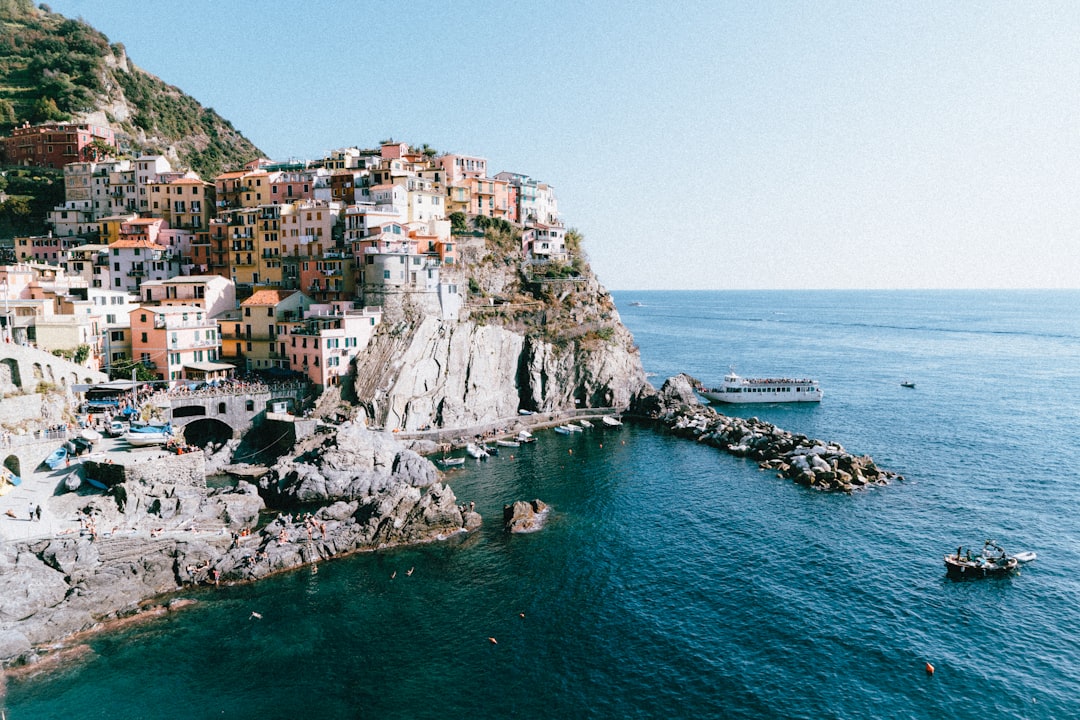
Photo by Alexander Ramsey on Unsplash
One reason alternative European destinations are so attractive right now is that they piggyback on infrastructure built for the blockbusters. You do not need to invent a heroic route. In most cases, you fly into a big hub, then take a short train, bus, or drive into a place that feels dramatically calmer. If you are arriving from North America, the long-haul part is still the hardest part of the day, so it is worth getting your body sorted before you start hopping cities. Best Jet Lag Remedies 2026 for Safer, Sharper Arrivals helps if Europe is the first leg of a bigger itinerary.
The smartest planning move is to think in clusters. Pair Ghent with Brussels or Bruges. Pair Terracina with Rome. Pair Izola with Trieste, Ljubljana, or Istria. Pair Villach with a Slovenia and Austria loop. Less touristy Europe destinations work best when they feel like a deliberate detour, not a scramble.
Plovdiv, Bulgaria
Plovdiv is one of the easiest underrated European towns to add to a Balkans route. Fly into Sofia Airport at SOF, then continue by train, bus, or rental car. The train from Sofia Central Station to Plovdiv usually takes about 2 hours 30 minutes to 3 hours and costs roughly €7 to €10. Buses are often slightly faster, around 2 hours to 2 hours 20 minutes, and usually run €8 to €14. By car, the drive on the A1 Trakia Motorway is about 145 kilometers and takes around 1 hour 45 minutes.
- Best arrival plan: SOF to Plovdiv by bus or train
- Easiest for flexibility: rental car if you also want Bachkovo Monastery and the Rhodope foothills
- Useful links: Sofia Airport, Bulgarian State Railways, Visit Plovdiv
Ghent, Belgium
Ghent is what happens when a major European city break gets its personality right and its crowd levels mostly stay reasonable. From Brussels Airport at BRU, direct or one-change trains to Gent-Sint-Pieters usually take 55 to 75 minutes and cost around €17 to €21. From Brussels Midi, the trip is often 30 to 40 minutes. If you are already in Bruges, Ghent is only about 25 minutes by train.
- Best arrival plan: BRU to Gent-Sint-Pieters by train
- Easiest add-on: split your Belgium trip between Brussels, Ghent, and Bruges
- Useful links: Belgian Rail, Visit Ghent, Brussels Airport
Terracina, Italy
Terracina is one of the most satisfying quiet places in Europe if you want sea and history without committing to a heavily booked Amalfi itinerary. Fly into Rome Fiumicino at FCO or Rome Ciampino at CIA. From Rome Termini, trains to Monte San Biagio-Terracina Mare take about 1 hour 10 minutes to 1 hour 25 minutes and often cost €6 to €10. From the station, a bus or taxi into central Terracina takes about 20 minutes. Driving from Rome is about 120 kilometers and usually 1 hour 45 minutes to 2 hours depending on traffic.
- Best arrival plan: Rome to Monte San Biagio-Terracina Mare by train, then local bus or taxi
- Best road-trip option: pair Terracina with Sperlonga and Gaeta
- Useful links: Trenitalia, Aeroporti di Roma, Visit Lazio
Izola, Slovenia
Izola proves that Europe off the beaten path can still be astonishingly easy. It sits on Slovenia’s short coast between Koper and Piran. Trieste Airport at TRS is often the easiest air gateway; with a car or transfer, expect about 1 hour. From Ljubljana Airport at LJU, the drive is around 1 hour 30 minutes. If you are already in Ljubljana, buses to Koper take roughly 1 hour 30 minutes to 2 hours, then the local bus to Izola is about 15 minutes and costs only a few euros.
- Best arrival plan: fly to TRS and transfer by car or shuttle
- Best no-car route: Ljubljana to Koper by bus, then local bus to Izola
- Useful links: Visit Izola, Ljubljana Bus Station, Trieste Airport
Ulcinj, Montenegro
Ulcinj is among the best alternative European destinations for travelers who want a coast with texture rather than a postcard packed with day-trippers. Podgorica Airport at TGD is the closest major airport. By car, the drive is usually 1 hour 20 minutes to 1 hour 40 minutes. Tivat Airport at TIV is another option, especially if you are already touring the Bay of Kotor, but allow 2 hours 15 minutes to 2 hours 45 minutes in summer. Buses from Podgorica or Bar are inexpensive, generally €8 to €15 depending on route and timing.
- Best arrival plan: TGD to Ulcinj by rental car
- Best coast-hopping route: Kotor or Budva to Ulcinj with a stop in Bar
- Useful links: Montenegro Airports, Ulcinj Tourism Organization, BusTicket4.me
Villach, Austria
Villach feels unusually well placed for a place many travelers ignore. Klagenfurt Airport at KLU is about 30 to 40 minutes away by car. Ljubljana Airport at LJU is about 1 hour. Venice Marco Polo at VCE is farther, around 2 hours 45 minutes to 3 hours by car, but useful for multi-country trips. Trains from Vienna often take 4 hours 20 minutes to 4 hours 50 minutes; Salzburg to Villach is usually about 2 hours 30 minutes.
- Best arrival plan: train if you are already in Austria, LJU if building a Slovenia-Austria route
- Best scenic transfer: Vienna to Villach by rail through alpine landscapes
- Useful links: OBB, Visit Villach, Ljubljana Airport
Peneda-Gerês, Portugal
Peneda-Gerês is one of the least complicated nature escapes in Western Europe if you start in Porto. Fly into Porto Airport at OPO, then drive roughly 95 to 110 kilometers depending on your entry point into the park. The journey usually takes 1 hour 30 minutes to 2 hours. Public transport exists but is patchy, especially if you want trail flexibility. The simplest no-car plan is Porto to Braga by train in about 1 hour, then bus or taxi onward toward Gerês village.
- Best arrival plan: OPO plus rental car
- Best slow route: Porto to Braga, then continue into the park
- Useful links: Visit Portugal, CP Trains, Porto Airport
Things to do in these less touristy Europe destinations
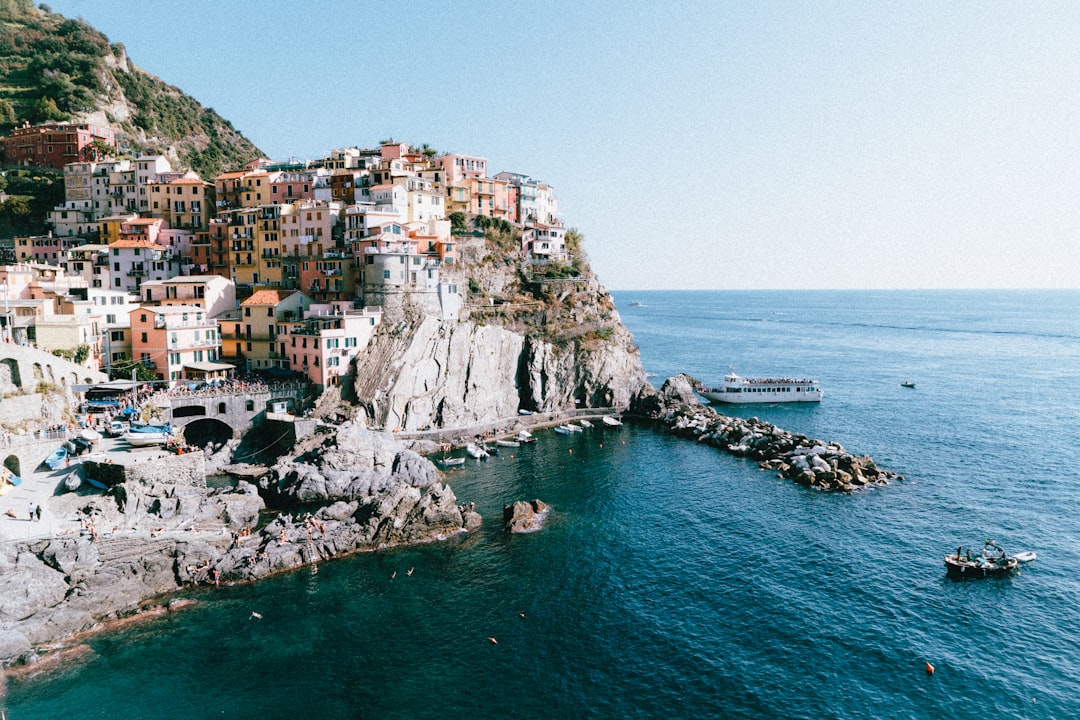
Photo by Alexander Ramsey on Unsplash
The pleasure of less touristy Europe destinations is not just that they are quieter. It is that they still deliver full, layered days. Morning coffee turns into a museum, then a viewpoint, then a lazy lunch, then one more unexpected alley or beach or lake because you still have the energy to keep going. In bigger, hotter, more crowded places, people often give up by mid-afternoon. Here, the day stretches.
These are also places where small details become the point: the clink of masts in Izola at dusk, old stone glowing gold in Ulcinj, the smell of fig leaves in Terracina, tramlines and bicycles in Ghent, alpine water so clean it looks edited in Villach, and the soft pine-and-granite silence of Gerês. That sensory density is why underrated European towns linger in the mind long after more famous cities blur together.
Plovdiv: Roman layers and a creative pulse
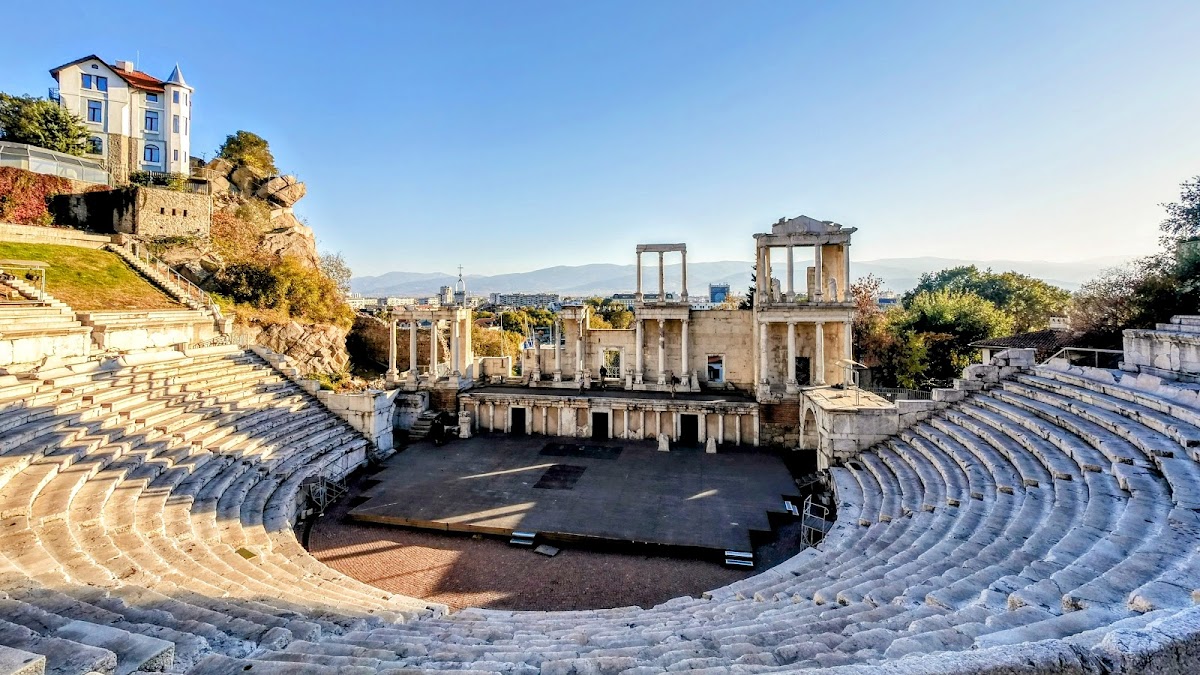
Plovdiv is one of those less touristy Europe destinations that immediately feels lived in rather than staged. The old town rises in a tangle of Revival-era houses, painted facades, and cobbled lanes that make your steps slow down naturally. Cats sleep in windowsills. Courtyards hide mulberry trees. Above it all sits the Roman Theatre, improbably intact, its stone seats opening to a view over the modern city and the distant hills.
What makes Plovdiv special, though, is the way its history does not trap it in amber. Walk down into Kapana and the city loosens its collar. Murals bloom across walls, compact bars pour Bulgarian natural wine and craft beer, and the neighborhood hums with a young, slightly scruffy confidence. Europe off the beaten path rarely feels this easy to enjoy.
- Explore the Ancient Roman Theatre of Philippopolis and stay long enough for evening light
- Walk the Plovdiv Old Town and visit the Ethnographic Museum at Kuyumdzhioglu House
- Climb Nebet Tepe for sunset over red roofs and apartment blocks beyond
- Spend a slow morning in Kapana district browsing studios, cafes, and design shops
- See the Roman Stadium remains along the main pedestrian street, Knyaz Alexander I
- Take a half-day trip to Bachkovo Monastery and Asen’s Fortress in the Rhodope foothills
- Try local wines from the Thracian Valley in a compact wine bar rather than a formal tasting room
Ghent: canals without the sugar rush
Ghent has the visual drama many people expect from Bruges, but it feels more grown-up, more relaxed, and more rewarding after dark. Water folds through the city in silver channels. Church towers rise in layered perspective. Students sit on quaysides with cans and takeaway noodles while elegant guild houses reflect in the canal. It is beautiful, yes, but it is also genuinely urban, which gives it a life beyond the photograph.
For travelers chasing less touristy Europe destinations, Ghent works because its pleasures come in sequence. You can look at a medieval altarpiece in the morning, eat a long lunch, browse independent shops, nap, and still have a brilliant evening without crossing town. Among alternative European destinations, it is one of the easiest to love quickly.
- Visit St Bavo’s Cathedral to see the Ghent Altarpiece
- Climb the Belfry for a roofline view over towers and canals
- Take a boat ride from Graslei and Korenlei to understand the city’s medieval layout
- Spend time at SMAK or the Museum of Fine Arts in the arts quarter
- Wander Patershol for old lanes, small restaurants, and late-evening atmosphere
- Browse weekend markets and secondhand shops around the center
- Stay out after sunset when the waterfront lighting makes Ghent feel almost cinematic
Terracina: a Roman beach town that still breathes
Terracina smells like salt, espresso, sunscreen, and frying anchovies. That combination alone makes it one of the best quiet places in Europe for a summer reset. The modern beach strips are practical and lively, but the real surprise is the old town, where staircases climb past medieval arches and Roman fragments to small piazzas where locals still sit outdoors late into the night.
Above the town, the Temple of Jupiter Anxur watches from the headland, and the Tyrrhenian Sea opens out in a broad blue plane. Terracina is one of those less touristy Europe destinations where you do not have to choose between swimming and history. You can spend the morning among ruins, the afternoon in the water, and the evening eating seafood under warm streetlights.
- Visit the Temple of Jupiter Anxur for sea views and ancient remains
- Swim at Spiaggia di Levante or choose a lido along the main beachfront
- Wander the centro storico around Piazza del Municipio and the cathedral precinct
- Walk stretches of the old Appian Way and look for Roman paving and gates
- Take a day trip to Sperlonga or Gaeta for more coastal scenery
- Stay for sunset aperitivo along the seafront promenade
- If you like boats, book a small excursion toward Circeo or the Pontine coast
Izola: the Adriatic at half volume
Izola whispers where other Adriatic towns perform. Fishing boats nudge the harbor wall. Laundry stirs between ochre and faded rose facades. Church bells pass lightly over the water. There is beauty here, but it is modest, which is precisely why it feels so intimate. Among quiet places in Europe, Izola excels at the art of the unforced afternoon.
This is not a checklist town. It is a sea-town rhythm town. You walk the promenade, drift into an old lane, order grilled sardines, then decide whether the next hour belongs to a swim, a nap, or a glass of local Malvasia. Less touristy Europe destinations often reward travelers who stop trying to optimize every minute. Izola is one of the finest examples.
- Stroll the old town around Manzioli Square and the harbor
- Swim from the beaches and bathing platforms near Svetilnik
- Walk or cycle the coastal path toward Koper for easy sea views
- Browse the marina and watch local boats come and go at dusk
- Visit nearby Strunjan Nature Reserve for cliffs, salt pans, and cleaner water
- Take a short trip to Piran if you want contrast, then return to calmer Izola for dinner
- Sip local olive oil and wine in a small tasting room or waterfront bar
Ulcinj: sun, stone, and Albanian-Montenegrin flavor
Ulcinj rises above the sea in rough, dramatic stone, and the first impression is more weathered than polished. That is part of its pull. The old town feels carved out of wind and salt, its lanes angling toward little terraces and lookout points where the Adriatic flashes between walls. Further out, Velika Plaza stretches for kilometers, a broad, sandy release from the tighter coves further north on the Montenegrin coast.
Ulcinj stands out among alternative European destinations because it feels culturally distinct. Albanian language, Ottoman traces, beach culture, and Balkan cafe life all overlap here. It is one of the less touristy Europe destinations where food, conversation, and coastline all feel slightly different from the usual Adriatic script.
- Wander Ulcinj Old Town and stop at sea-view terraces inside the walls
- Swim at Mala Plaza if you want central convenience or head to Velika Plaza for space
- Spend half a day on Ada Bojana for river-mouth scenery, seafood, and a windblown beach feel
- Visit Ulcinj Salina if birdlife and wetlands interest you
- Watch sunset from the fortress area with the sea turning copper below
- Try kitesurfing on the wide sands if wind conditions are good
- Linger in cafes rather than rushing attraction to attraction; the social pace is part of the place
Villach: lakes and Alps without the Hallstatt crush
Villach has a border-town subtlety that many alpine destinations lose under heavy fame. The river moves quietly through the center, church spires punctuate a neat old core, and beyond it all the landscape starts lifting toward lakes and mountains with almost suspicious ease. On a clear day, the air itself feels rinsed.
For travelers seeking Europe off the beaten path with comfort still intact, Villach is close to perfect. You get railway convenience, Austrian reliability, Slovenian proximity, and lake culture without the frantic photo-hunting that defines more famous alpine towns. Among underrated European towns, it has unusual range: wellness, hiking, cycling, winter markets, and summer swimming all fit.
- Walk the old town center and the Drau riverfront
- Swim or paddle at Lake Faak, famous for its turquoise water
- Spend a wellness day at KaerntenTherme in Warmbad-Villach
- Drive or bus up the Villacher Alpenstrasse for panoramic mountain views
- Take a quick train to Lake Ossiach or a cross-border day trip into Slovenia
- Visit during Advent for smaller, calmer Christmas market atmosphere
- Pair hiking mornings with lake afternoons if visiting from June to September
Peneda-Gerês: Portugal at its wildest edge
Peneda-Gerês feels like mainland Portugal pulled tighter and left more elemental. Granite villages sit against steep green folds, cattle bells carry in the distance, and mountain water runs cold over smooth rock. It is not manicured beauty. It is older, rougher, and more compelling than that. Among less touristy Europe destinations, it is one of the strongest arguments for adding nature to an Iberian itinerary.
What makes Gerês memorable is the blend of wildness and rural culture. You are not only hiking through protected landscapes. You are moving through a region of stone espigueiros, smoke-scented kitchens, roadside cafes, and viewpoints that arrive suddenly after narrow bends. Quiet places in Europe rarely feel this alive.
- Hike sections near Mata da Albergaria for forest, old Roman roads, and shaded paths
- Swim in natural river pools such as Poco Azul or quieter local bathing spots depending on conditions
- Drive scenic routes to viewpoints around Pedra Bela and surrounding lookouts
- Visit village clusters such as Soajo or Lindoso for granaries and mountain atmosphere
- See the sanctuary area near Sao Bento da Porta Aberta on the southern approach
- Book a canyoning or guided trail day if you want a more active park experience
- Arrive early at popular waterfalls in summer to avoid parking pressure and midday heat
Where to stay in underrated European towns and coastal escapes
Hotel strategy matters more in less touristy Europe destinations because room stock is smaller and the best addresses disappear earlier than many travelers expect. The upside is that your money usually buys more atmosphere: a restored merchant house in Plovdiv, a canal-side stay in Ghent, a sea-view balcony in Izola, or a thermal hotel near Villach. In several of these places, location matters more than star rating. Staying inside or beside the old center changes the entire feel of the trip.
I also like to match the lodging style to the destination. In coastal stops, I pick walkability over size. In mountain areas, I lean toward hotels with parking and breakfast. In city breaks, I pay extra for charm only if I know I will actually spend evenings on property. That simple logic keeps alternative European destinations from becoming overplanned or overpriced.
| Destination | Budget | Mid-range | Luxury |
|---|---|---|---|
| Plovdiv | Hostel Old Plovdiv, €18-€30 dorm or €45-€65 private | Hotel Evmolpia, €85-€125 | The Emporium Plovdiv MGallery or Gallery 37, €160-€260 |
| Ghent | Hostel Uppelink or ibis budget Gent Centrum Dampoort, €35-€95 | Yalo Urban Boutique Hotel or Hotel Harmony, €140-€210 | 1898 The Post or Pillows Grand Boutique Hotel Reylof, €220-€360 |
| Terracina | B&Bs such as Le Stanze di Ulisse or Domus Circe, €75-€110 | Hotel Poseidon or Hotel Torre Del Sole, €120-€190 | Grand Hotel L'Approdo or Hotel Acquasanta, €220-€380 |
| Izola | Hostel Alieti or guesthouses near the harbor, €35-€80 | Hotel Marina or Dependences San Simon Resort, €110-€170 | Hotel Cliff Belvedere or DeGrassi Boutique Garni, €180-€280 |
| Ulcinj | Hostel Pirate or family apartments, €20-€55 | Hotel Kleopatra or Hotel Pirate Old Town, €65-€120 | Palata Venezia or Padam Hotel and Spa, €130-€240 |
| Villach | Jugendhotel Egger or simple guesthouses, €45-€95 | Hotel Seven or Boutique Hotel Goldenes Lamm, €120-€190 | voco Villach or Thermenhotel Karawankenhof, €190-€320 |
| Peneda-Gerês | HI Geres Pousada de Juventude or Central Jardim, €20-€70 | Hotel Carvalho Araujo or Hotel Sao Bento da Porta Aberta, €85-€145 | Pousada Mosteiro de Amares or premium rural houses, €180-€320 |
A few booking notes make these less touristy Europe destinations smoother:
- Book 8 to 12 weeks ahead for summer coast trips in Terracina, Izola, and Ulcinj
- In Ghent, weekends and festival dates can push prices up quickly
- In Peneda-Gerês, a car-friendly rural stay often beats a prettier but isolated option
- In Plovdiv, the old town is atmospheric but a Kapana-edge stay is often better for food and nightlife
- In Villach, choose whether you want lake access, spa access, or station convenience before booking
Where to eat in quiet places in Europe
Food is where many quiet places in Europe quietly outshine the big names. Menus are often shorter, more local, and less performed for visitors. Servers tend to guide you toward what is actually good that day. Portions still reflect local appetite rather than social media aesthetics. Best of all, you can still find restaurants where residents outnumber tourists, which is often the single clearest sign you chose well.
These destinations also reward regional curiosity. The right dish makes the place click: kavarma and local reds in Plovdiv, Flemish classics in Ghent, fried small fish in Terracina, briny Adriatic plates in Izola, Albanian-influenced seafood in Ulcinj, Carinthian warmth in Villach, and smoked mountain flavors in Gerês. Less touristy Europe destinations are often best understood at dinner.
Plovdiv
Plovdiv balances tradition and contemporary confidence beautifully. In Kapana, tables spill onto lanes under strings of light. In the old town, the mood turns slower and more romantic.
- Pavaj for seasonal Bulgarian cooking in a stylish but unfussy room
- Aylyakria for local dishes and regional wine in a central setting
- Rahat Tepe for views, grilled meats, salads, and long evening meals
- Try shopska salad, kavarma, banitsa at breakfast, and Thracian Valley wines
Ghent
Ghent eats well without needing to boast about it. The city handles both classic Belgian comfort and more design-forward dining with ease.
- Du Progres for reliable Flemish classics near the center
- De Superette for bread, brunch, and wood-fired dishes in a former industrial space
- Publiek if you want a more ambitious dinner with serious cooking
- Try waterzooi, grey shrimp croquettes, local beer, and cuberdons as a sweet snack
Terracina
In Terracina, the sea is the menu. You smell it before you see the plate, especially on warm nights when the harbor air hangs over the tables.
- Vicoletto for seafood with polish but not stiffness
- Il Caminetto for classic local fish dishes and a comfortable old-school feel
- Small seafront bars for fritto misto, anchovies, and aperitivo at sunset
- Look for spaghetti alle vongole, fried paranza, octopus salad, and local white wine
Izola
Izola does not need culinary fireworks. Its strength is freshness, olive oil, and a harbor-side appetite sharpened by salt air.
- Gostilna Sidro for dependable fish and relaxed local energy
- Marina Restaurant for a nicer seafood dinner by the water
- Bujol for inventive touches if you want something more contemporary
- Order grilled squid, sardines, mussels, Malvasia, and local olive oil with bread
Ulcinj
Ulcinj’s dining scene feels slightly rougher around the edges than glossy Montenegrin resorts, which is exactly why it is interesting. Portions are generous and the sea is rarely far away.
- Restaurant Antigona for old-town views and seafood
- Dulcinea for traditional plates in a scenic setting
- Ada Bojana fish restaurants for river and sea catches cooked simply
- Look for grilled fish, burek, seafood risotto, yogurt-based sides, and strong coffee after meals
Villach
Carinthian food has the kind of comfort that works after lakes, hikes, or a cold-weather stroll. Portions tend to be satisfying rather than delicate.
- Villacher Brauhof for beer hall ease and regional dishes
- Restaurant Charles for a more refined evening
- Frierss Feines Haus nearby if you want to explore Carinthian charcuterie and specialty meats
- Try Kaerntner Kasnudeln, roast pork, lake fish, pumpkin seed oil, and local beer
Peneda-Gerês
Gerês food is mountain food: soulful, sturdy, and deeply tied to place. Wood smoke, cured meats, and slow cooking show up often.
- O Abocanhado near Brufe for dramatic views and regional cooking
- Lurdes Capela for hearty local dishes after a day outdoors
- Adega Ramalho for straightforward Minho flavors in a rustic setting
- Try posta barrosa, smoked sausages, caldo verde, broa, and vinho verde
Practical tips for Europe off the beaten path
Europe off the beaten path still rewards preparation. The biggest mistake travelers make with less touristy Europe destinations is assuming quiet means flexible. Often, it means fewer departures, fewer rooms, shorter restaurant hours, and stronger seasonality. A little planning gives you the best of both worlds: local atmosphere without logistical friction.
Cultural rhythm matters too. These places are easier when you adapt to local pace. Lunch may run later than you expect. Sunday can go quiet fast. Beach towns stay up late, while mountain villages get an early start. If you want a refresher on reading local cues gracefully, Cultural Etiquette Around the World: How to Read a Room is worth a quick read before you go.
Best months and what to expect
| Months | Best picks | Why it works | Typical daytime feel |
|---|---|---|---|
| March-April | Ghent, Plovdiv | Blooms, mild city weather, fewer visitors | 12C-20C |
| May-June | Terracina, Izola, Villach, Gerês | Warm but not crushing, shoulder-season value | 18C-28C |
| July-August | Ulcinj, Izola, Terracina, Villach lakes | Full summer energy, best swimming | 25C-34C |
| September | All seven | Best overall balance of water temperature, prices, and atmosphere | 18C-29C |
| October | Plovdiv, Ghent, Gerês, Villach | Color, food, city comfort, hiking weather | 10C-22C |
| December | Ghent, Villach | Winter lights and calmer festive atmosphere | 0C-8C |
Budget, packing, safety, and connectivity
The practical texture changes from place to place, but these less touristy Europe destinations share a few patterns. Cash is still useful in the Balkans and smaller Portuguese mountain villages. Good walking shoes matter more than dress shoes almost everywhere on this list. On the coast, a light layer for evening wind is smarter than people assume, even in hot months. In alpine and mountain stops, weather shifts quickly.
- Currency: Bulgaria uses the lev, Belgium the euro, Italy the euro, Slovenia the euro, Montenegro the euro, Austria the euro, Portugal the euro
- Connectivity: eSIM coverage is generally excellent in Belgium, Austria, Italy, Slovenia, and Portugal; still good in Bulgaria and Montenegro, but download offline maps in advance
- Safety: all are broadly safe for sensible travelers; watch bags in transport hubs and beach areas, and avoid isolated trail swims after heavy rain in Gerês
- Packing: bring swim shoes for rocky Adriatic entries, a sun hat for Ulcinj and Terracina, and a light rain shell for Villach and Gerês
- Driving: mountain and coastal roads can feel narrower and slower than the map suggests; never plan back-to-back long drives with late arrivals
- Sundays: expect reduced hours, especially in smaller towns and rural zones
- Reservations: book dinner ahead in Ghent on weekends and sea-view restaurants in summer coast towns
Which destination fits your travel style?
If you love city texture, go to Plovdiv or Ghent. If beach plus heritage is your ideal ratio, Terracina and Ulcinj are strong. If your dream is seafood and a slower Adriatic pace, choose Izola. If you want lakes, spa time, and alpine scenery, Villach delivers. If you need forest, granite, and rivers after too many urban stops, Gerês is among the best alternative European destinations in the west of the continent.
For solo travelers, Ghent and Plovdiv feel easiest first because they combine walkability with active cafe and nightlife scenes. For couples, Izola and Terracina have the most effortless romance. For families, Villach is especially practical thanks to lakes, thermal facilities, and straightforward transport. For travelers who chase quiet places in Europe with genuine outdoor depth, Gerês and Ulcinj are both excellent in different ways.
FAQ
What are the best less touristy Europe destinations for first-time visitors?
Ghent, Plovdiv, and Villach are the easiest first choices. They are simple to reach, have clear town centers, and offer enough infrastructure that you never feel stranded. Among less touristy Europe destinations, they give you the best blend of personality and low planning stress.
Which of these destinations are easiest without a car?
Ghent, Plovdiv, and Villach are easiest car-free. Terracina also works well without a car if you stay central and use trains plus short taxis. Izola is manageable without a car, especially if you arrive via Koper. Ulcinj and Peneda-Gerês are much smoother with your own wheels.
What are the cheapest options on this list?
Plovdiv and Ulcinj usually offer the best value, especially for food and lodging. They are standout less touristy Europe destinations for travelers who want strong atmosphere without western European price levels. Gerês can also be very affordable outside peak summer weekends.
Where should I go for beaches without major crowds?
Ulcinj and Terracina are the strongest beach picks, with Izola close behind if you prefer smaller-scale Adriatic swimming and waterfront strolling. Among quiet places in Europe, Ulcinj gives you the most sand and space, while Terracina gives you the best blend of sea and historical setting.
Are these destinations safe for solo travelers?
Yes, generally. Use standard precautions at stations, after dark, and on beaches, and pay attention to weather if hiking or swimming in nature areas. Ghent, Plovdiv, and Villach are especially comfortable solo. In Europe off the beaten path, the main adjustment is not danger but pace: services can be more limited late at night or on Sundays.
The best underrated European towns are rarely the ones shouting the loudest. They are the places where your shoulders drop on the second day, where dinner runs long because nobody is rushing the table, where a harbor or hilltop or old stone lane feels briefly, strangely yours. Europe will always have its headline cities. But these less touristy Europe destinations are where many travelers end up finding the trip they talk about longest.