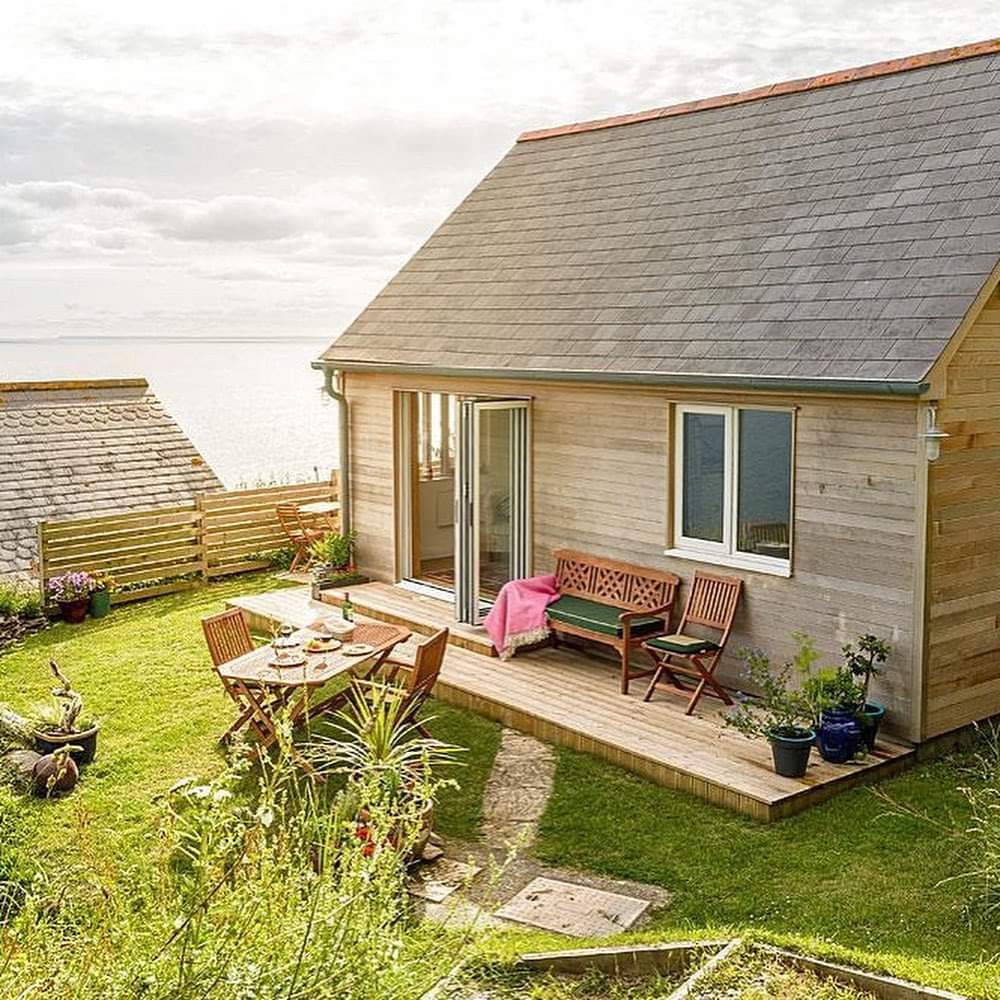
The hardest part of trying to plan a UK holiday is not a lack of options. It is that almost every place sounds good until you factor in rail changes, rain, parking, school-holiday prices, and the fact that a three-night break can disappear into travel if you choose badly. If you want to plan a UK holiday that feels restorative rather than rushed, start with travel friction first and scenery second.
A good UK break is rarely about seeing the most places. It is about choosing one region that fits your budget, weather tolerance, and energy level, then building days that actually breathe. That is how you end up with sea air in your hair at Bamburgh, a long pub lunch in Ambleside, or a city-and-castle weekend in Cardiff instead of four hours in traffic and a soggy sandwich at a service station.
The first decision that makes or breaks a UK holiday

Photo by Ross Papas on Unsplash
Before you compare beaches, castles, or cottages, decide what kind of tired you want to feel. There is a huge difference between pleasantly windswept after a coastal walk and quietly irritated after three trains, a missed connection, and a 40-minute taxi.
Use this simple filter before you book anything. It is the fastest way to plan a UK holiday that matches real life rather than fantasy-browser mode.
- For a 3-night break, keep total door-to-door travel under 4.5 hours each way.
- For a 4 to 5-night break, you can stretch to 6 hours each way if the base is exceptional.
- Pick one primary trip purpose only: coast, walking, food and culture, or family downtime.
- Make sure every full day has one anchor activity and one weather backup.
- If you are debating between two places, choose the one with the easier first and last day.
A good rule of thumb is this: short break equals one base, not a loop. If you spend your first morning checking out and your last afternoon repositioning, the trip is too ambitious.
Where to go in the UK if you want less travel friction
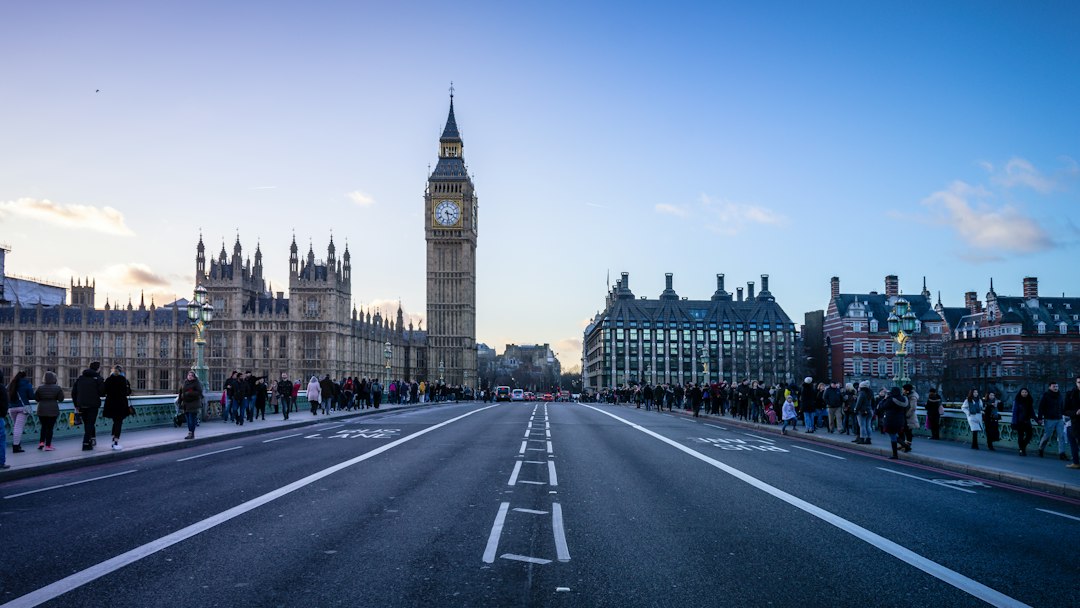
Photo by Chris Karidis on Unsplash
The best answer to where to go in the UK is often not the most famous place. It is the place that delivers the experience you want with the least logistical drag. These five options work because they are easy to understand, easy to pace, and forgiving if the weather shifts.
If you want a broader inspiration list afterwards, UK Staycation Destinations 2026: A No-Regret Holiday Plan is useful. But to plan a UK holiday from scratch, start with a short list like this.
| Base | Best for | Ideal stay | Need a car? | Typical double room per night | Why it works |
|---|---|---|---|---|---|
| Edinburgh | First-time UK city break, history, food, museums | 3 to 4 nights | No | £150 to £240 | Walkable core, strong wet-weather backup, easy airport and rail access |
| Ambleside | Walks, lakes, pub evenings, scenic reset | 3 to 4 nights | Helpful | £130 to £220 | You can do easy lakeside days or bigger hill walks without changing base |
| Bamburgh or Seahouses | Big beaches, castle views, quieter coast | 3 nights | Helpful | £110 to £200 | Feels dramatic and spacious, especially for couples and walkers |
| Cardiff | Car-free short break with culture and side trips | 2 to 3 nights | No | £110 to £180 | Compact centre, castle, bay area, good value compared with London and Edinburgh |
| Lyme Regis | Family coast, fossil hunting, Jurassic scenery | 3 to 4 nights | Yes | £120 to £210 | Strong mix of beach time, walks, seafood, and easy half-day outings |
A few quick fits help narrow it down fast. Choose Edinburgh if you want a polished first trip with plenty to do in bad weather. Choose Ambleside if you want to wake up to fell views and build your days around walking. Choose Bamburgh or Seahouses if your idea of a holiday is a huge horizon, cold sea air, and evenings that go quiet early. Choose Cardiff if you want a city break that feels easier on the wallet. Choose Lyme Regis if you want a classic English coast trip with enough structure for children and enough scenery for adults.
Best time to visit the UK without paying peak prices
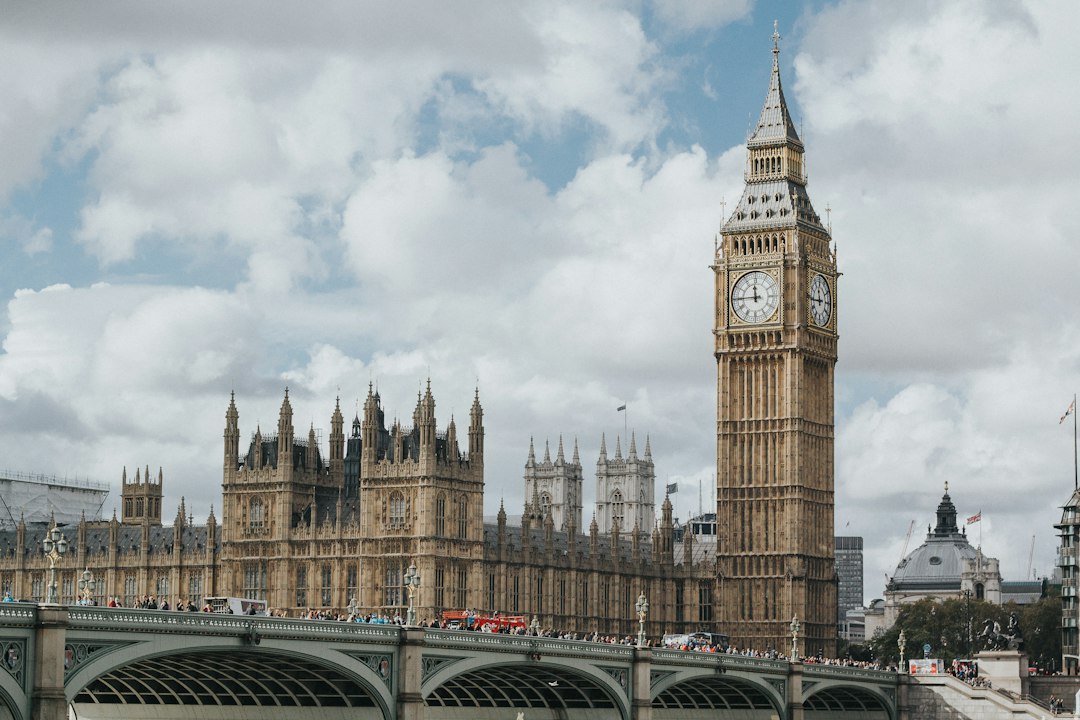
Photo by Marcin Nowak on Unsplash
The cheapest week is not always the smartest week. In the UK, the sweet spot is often shoulder season, when the light is still good, the paths are quieter, and room rates have not hit full-school-holiday levels.
For most travellers, the best windows are early May to late June and early September to mid-October. That is especially true if you want to plan a UK holiday around walking, coastlines, or scenic rail travel rather than guaranteed beach heat.
- Edinburgh is wonderful in May, June, and September. August can be brilliant for atmosphere but expensive and crowded because of major festivals.
- Ambleside shines from late April through June, when daylight is long and trails are busy but not yet packed like bank-holiday weekends.
- Northumberland feels freshest in May and June. Bring layers even then; coastal wind can make it feel several degrees colder than inland towns.
- Lyme Regis and the wider Dorset coast are often excellent in September, when sea days still work and summer rush eases.
- Cardiff is flexible all year, but rugby weekends and big events can push up central room rates.
Two planning hacks matter more than people admit. First, check school-holiday dates before you fall in love with a price. Second, check the Met Office not just for rain but for wind. A windy 16C coastal day can feel far colder than a calm 13C city day.
UK holiday itinerary rules: train trip or road trip?
Once you have a base, the next step is not building a packed schedule. It is choosing the right transport style. When people say they want to plan a UK holiday well, what they usually mean is they want the trip to feel smooth. That comes down to whether your destination rewards a train-first approach or a self-drive one.
Train-first trips
Edinburgh and Cardiff are easy wins without a car. In both places, parking adds cost and stress without giving you much in return. Keep your hotel within a 15 to 20-minute walk or short taxi ride of the main station, and build days around walking plus one local bus or train if needed. Check times directly with National Rail and, for Scotland, ScotRail.
For a 3-night rail break, use this formula:
- Arrive before 15:00 if possible.
- Keep arrival day light: one neighbourhood walk, one booked dinner.
- Plan only one major ticketed attraction per full day.
- Leave your departure day mostly open.
Car-first trips
Ambleside, Bamburgh, and Lyme Regis are easier with your own wheels, but short-break discipline matters. Cap arrival-day driving after check-in to 60 to 90 minutes max. In places like the Lake District, one valley can easily fill a full day. In Dorset, small coastal roads look short on paper and feel much longer in summer traffic.
When I sketch the first draft of a route, I like doing it in TravelDeck and then checking the final timings with official rail operators or local attraction sites. That is also where base-first articles like UK Bases for Day Trips in 2026: 8 Holidays That Flow become useful, because they help you resist the urge to sleep somewhere different every night.
Build every UK itinerary around one wet-weather pivot. In Ambleside that might be a long lunch and a lake cruise instead of a ridge walk. In Lyme Regis it could be the aquarium, cafés, and shops around the harbour instead of a cliff path. Planning a backup in advance is not pessimism in Britain; it is competence.
UK holiday budget: what 3 nights really cost
A lot of UK travel disappointment starts with bad budgeting. Rooms look affordable until you add parking, attraction tickets, fish and chips on the seafront, and a last-minute taxi because the rain has set in. To plan a UK holiday properly, budget by trip type rather than by destination name.
These ranges are realistic for 2026 outside bank holidays, based on two adults sharing a room.
| Trip style | Transport per person | Room share per person | Food and drink per person | Extras per person | 3-night total per person |
|---|---|---|---|---|---|
| Car-free city break in Cardiff or Edinburgh | £40 to £120 | £165 to £360 | £90 to £150 | £30 to £80 | £325 to £710 |
| Walking break in Ambleside | £35 to £90 | £195 to £330 | £90 to £145 | £20 to £60 | £340 to £625 |
| Coastal break in Bamburgh or Lyme Regis | £45 to £110 | £180 to £315 | £95 to £145 | £25 to £70 | £345 to £640 |
Three easy savings usually matter more than hunting the absolute cheapest room.
- Travel Sunday to Wednesday instead of Friday to Monday when you can.
- Book a cancellable room early in small, high-demand places such as Bamburgh, Ambleside, and Lyme Regis.
- Mix one sit-down meal a day with bakery breakfasts, pub lunches, or picnic supplies from local food shops.
If you are splitting costs with friends, settle the budget ceiling before anyone votes on destination. That single move prevents half the group planning for boutique hotels while the other half expects a cheap shared cottage. If that sounds familiar, How to Organize a Group Vacation in 2026 Without Fallout is worth reading before deposits start flying.
The booking checklist that turns ideas into a real trip
The difference between daydreaming and booking is often just 30 focused minutes. If you want to plan a UK holiday today, do these steps in order and stop browsing once you have your answer.
- Pick one trip purpose: coast, walking, city, or family downtime.
- Set your hard cap for total spend, not just the room rate.
- Choose two candidate bases only.
- Check travel time on official operator sites and reject the slower option if the gap is more than 90 minutes door to door.
- Check the weather pattern for your travel month on the Met Office.
- Open the destination's official tourism pages, such as VisitBritain, and shortlist just three things you genuinely want to do.
- Book accommodation first in limited-supply places, then transport, then one anchor activity.
- Save one half-day empty for weather, energy, or a spontaneous detour.
One extra trick works especially well in the UK: check whether your must-do sight needs advance tickets before you choose your dates. That matters for castles, steam railways, boat trips, and some heritage sites run by organisations like the National Trust. A sold-out activity can make a short trip feel oddly flat.
FAQ
Where should I go in the UK for a first holiday without a car?
Edinburgh and Cardiff are the easiest answers. Both have strong public transport, compact centres, plenty of indoor options if the weather turns, and enough food and sightseeing to fill 2 to 4 nights without needing a vehicle.
Is 2 nights enough for a UK holiday?
It can work for a simple city break, but it is usually too short for scenic areas unless you live close by. For coast or countryside, 3 nights is the real minimum because it gives you two full days on the ground.
Is it cheaper to drive or take the train?
It depends on group size and destination. For two people going to Cardiff or Edinburgh, rail can be competitive once you remove parking and fuel. For rural places like Ambleside or Lyme Regis, driving often wins on flexibility and sometimes on cost, especially if you are sharing expenses.
How far ahead should I book for summer 2026?
For August and bank-holiday weekends, book 4 to 6 months ahead if you want good choice in popular coastal or national-park areas. For shoulder season city breaks, 8 to 12 weeks is often enough unless major events are on.
What is the biggest planning mistake people make?
Trying to combine too much geography into too few nights. If you remember one thing, let it be this: in the UK, a smaller map almost always creates a better holiday. One good base, one clear trip purpose, and one backup plan for bad weather will beat a frantic multi-stop route every time.