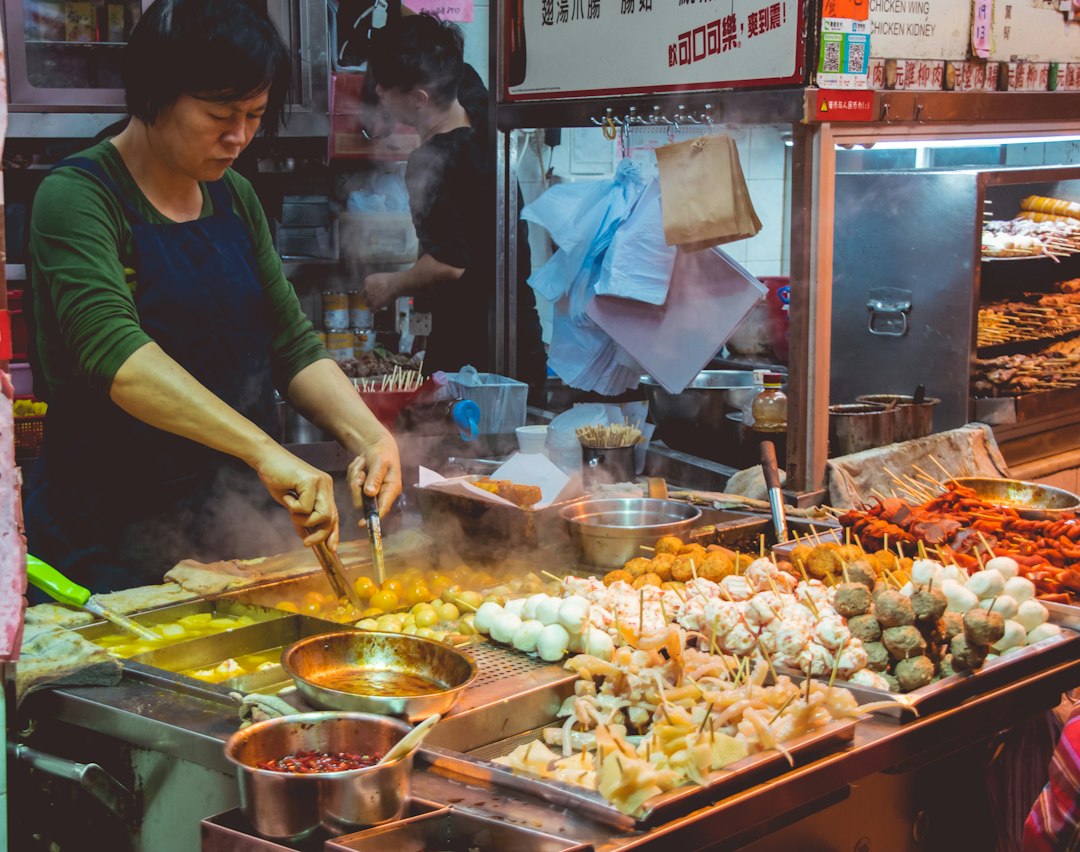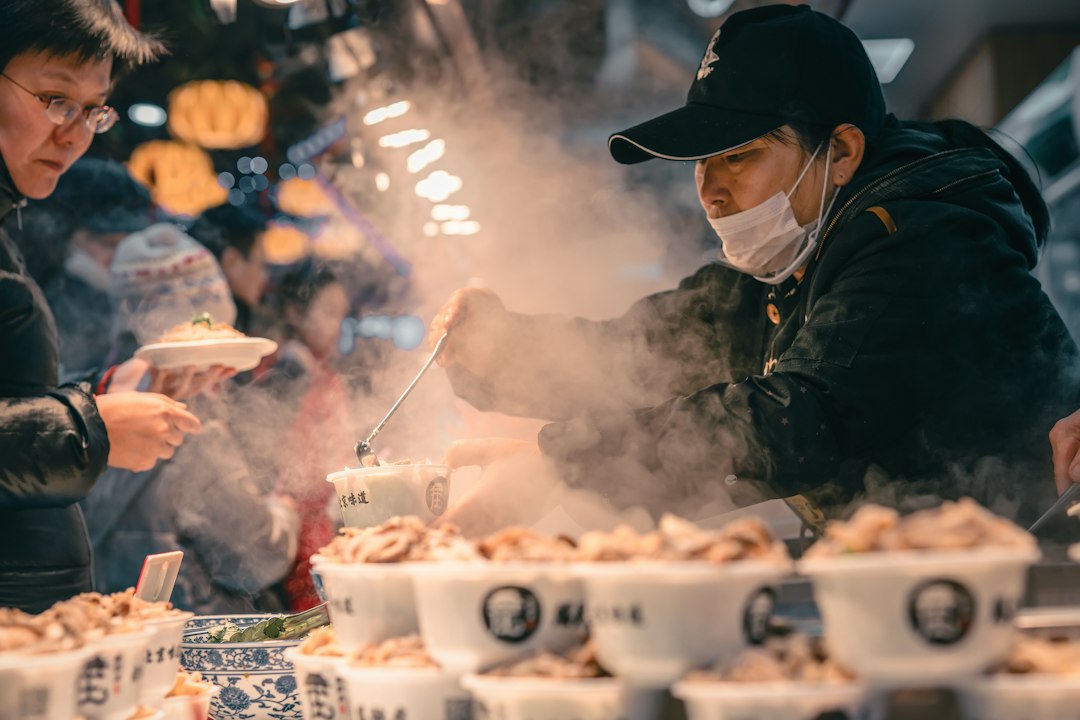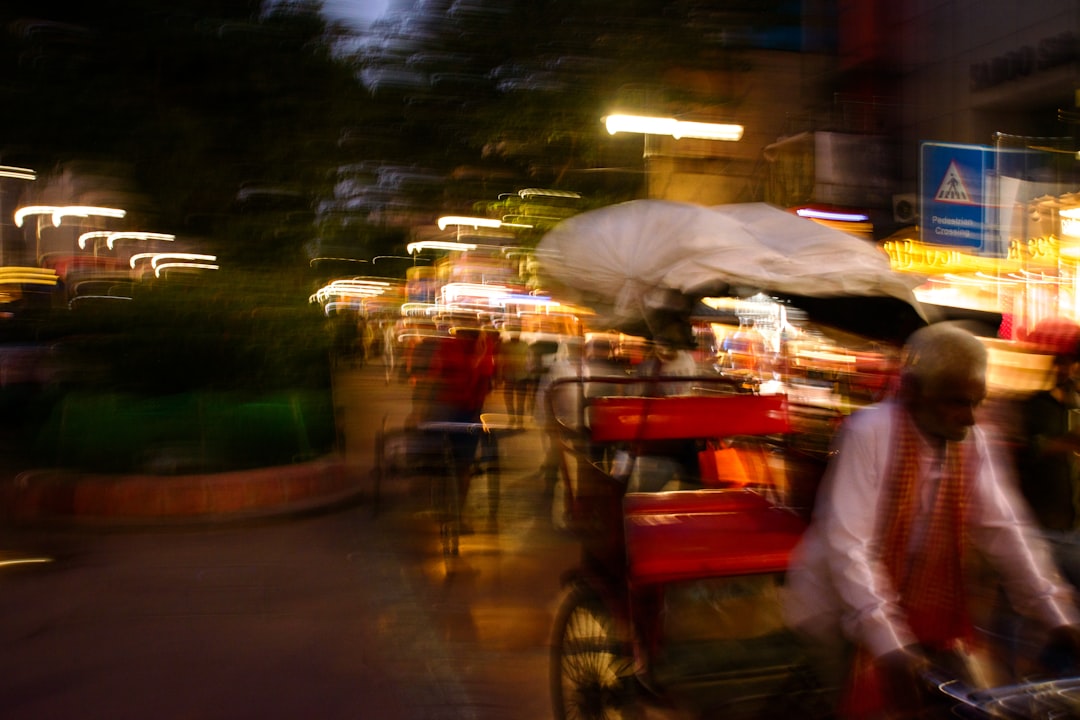
A great food tour can tell you more about a city in three hours than a museum can in a full day. That is why choosing among global food tour destinations is less about prestige and more about rhythm: when the grills fire up, which alleys smell of butter or charcoal at dawn, and where locals still queue for the dish that explains the whole place in one bite.
If you want a broader bucket list of classics, Best Food Cities Worldwide in 2026 for Every Craving is a useful companion. This guide takes a different route. It is built for travelers who care about walking routes, market timing, neighborhood character, and the kind of culinary travel experiences that happen between breakfast counters and late-night stalls rather than only behind linen tablecloths.
The best global food tour destinations reward curiosity on foot. A city becomes memorable when its food markets are woven into daily life, when a walking food tour can move naturally from sweet to salty to smoky to briny, and when local dishes still belong to actual neighborhoods rather than performance zones. When I map food-focused stops in TravelDeck, these are the places that keep earning extra nights because one meal always turns into another street, another snack, and another reason not to leave.
How to choose global food tour destinations that suit your appetite
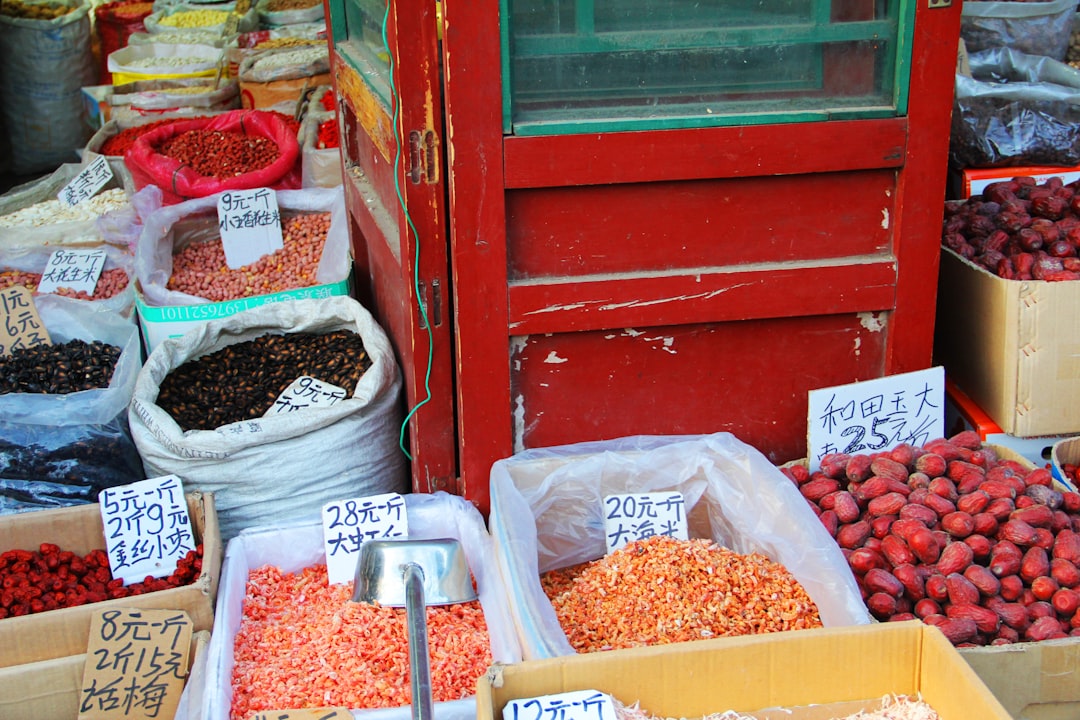
Photo by Jan Canty on Unsplash
The smartest food trips begin with a simple question: what kind of eating day makes you happiest? Some travelers want a market-heavy morning with fruit juice, tacos, anchovies, or spice tea before noon. Others want a city that comes alive after dark, where a street food guide matters more than a reservation. And some want depth over speed: a place where local dishes carry centuries of trade, migration, faith, or farming in every bowl.
That is why the strongest global food tour destinations are not always the ones with the most famous restaurants. They are the ones with edible geography. You can feel the harbor in the seafood, the old empire in the pastry case, the farmland in the olive oil, and the immigrant history in the noodle shop or stew pot. The city itself becomes the menu, and a good guide simply helps you read it.
A useful rule is to match the destination to your travel tempo. If you love conversation and context, pick cities where a walking food tour can stop often and tell stories between bites. If you crave spontaneity, choose places with strong food markets and dense street life. If you want a full sensory plunge, choose cities where noise, smoke, perfume, and music are part of the meal rather than a distraction from it.
Here is what separates average food trips from the best global food tour destinations:
- Dense, walkable eating neighborhoods rather than isolated restaurant districts
- Food markets that locals still use for daily shopping, not only sightseeing
- Local dishes with clear regional identity, not generic international menus
- Morning-to-night eating windows so your tour is not trapped in one time slot
- Guides who know stalls, bakers, grill masters, and family-run kitchens by name
- Affordable tasting portions that let you try six to ten things in a single outing
- Easy transport from the airport or rail station so you can start eating quickly
Global food tour destinations for market lovers
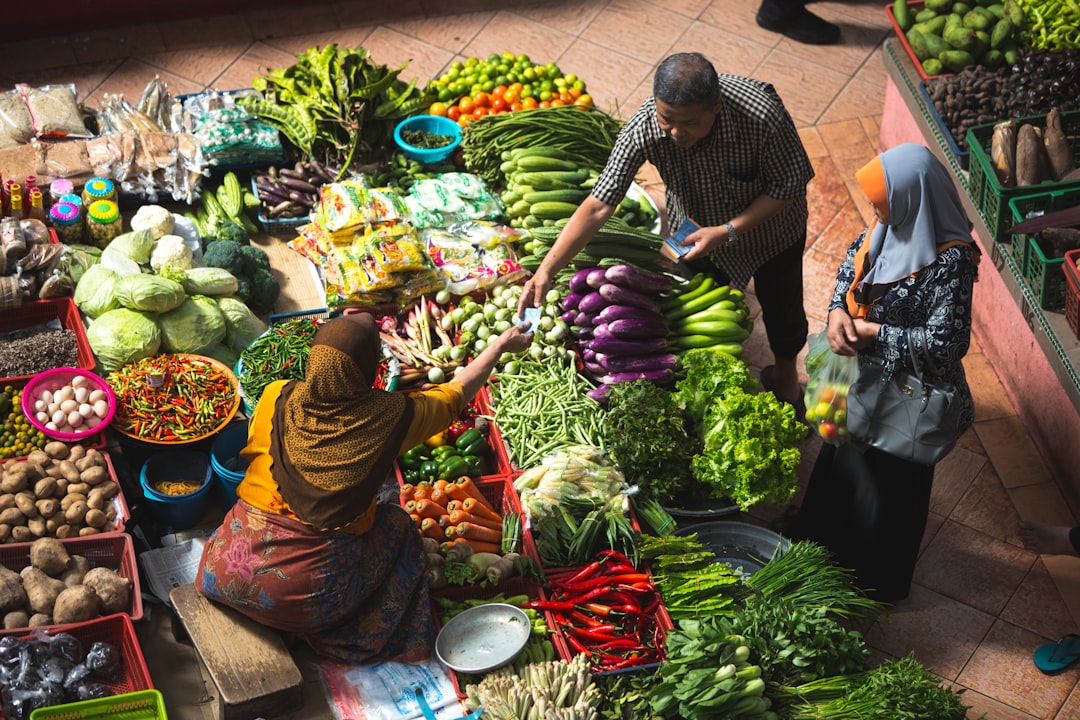
Photo by Alex Hudson on Unsplash
Some cities make the most sense before lunch. The shutters roll up, ice hits fish, herb bundles darken the pavement with dew, and the first coffee of the day lands beside a pastry, tamal, olive, or paper cone of fried chickpea batter. In these global food tour destinations, the market is not an attraction added to a route. It is the route.
For travelers who judge a place by its produce stalls, butcher counters, and breakfast snacks, these cities have the right energy. Their food markets are theatrical without feeling staged, and their local dishes reveal themselves one ingredient at a time.
Mexico City
Mexico City is one of the most dynamic global food tour destinations because it lets you trace a meal from raw ingredients to perfect street execution within a few blocks. In the morning, markets hum with limes, nopales, dried chiles, blue corn masa, and pyramids of tropical fruit. By afternoon, the city tilts toward taquerías, tortas, and smoke. By midnight, the al pastor spits are still glowing.
The best part is the range of neighborhoods that support different kinds of tours. Centro gives you pure sensory overload. Roma and Condesa offer modern mezcal bars and sharper coffee between old-school stops. Coyoacán slows the pace and adds sweets, churros, and family-style antojitos. Few places turn everyday eating into such vivid culinary travel experiences, and even a short walking food tour can cover layers of history, migration, and technique.
- Start at Mercado de San Juan, Ernesto Pugibet 21, for cheeses, charcuterie, exotic produce, and tasting-friendly stalls
- Eat tacos al pastor at El Vilsito, Avenida Universidad 248, where tacos usually run about 25 to 45 MXN each
- Add tlacoyos, tamales, or tortas ahogadas-style sandwiches in local markets; a strong market breakfast often costs 120 to 220 MXN per person
Palermo
Palermo feels like a city that argues, sings, and fries everything in public. Ballarò, Il Capo, and Vucciria are not polite market halls; they are living stages where vendors call out over swordfish, citrus, spleen sandwiches, olives, and pastry trays. Among global food tour destinations, Palermo stands out because the distance between aristocratic sweets and rough-edged street food is only a few lanes.
This is where you come when you want food with a loud accent. Arab, Norman, Spanish, and Sicilian histories all show up on the plate, and the market logic is gloriously democratic: panelle for pocket change, arancine that can pass for lunch, and cannoli that taste even better if you eat them standing up with powdered sugar on your shirt.
- Walk Ballarò Market for panelle, crocchè, and sfincione; expect 2 to 5 EUR for most street snacks
- Order pani ca meusa at Nni Franco U Vastiddaru, Corso Vittorio Emanuele 102, one of Palermo's canonical sandwiches
- Leave room for cannoli and cassata near Via Maqueda or Antica Focacceria San Francesco, where casual meals often land around 12 to 25 EUR
Istanbul
Istanbul is one of those global food tour destinations where a day of eating naturally follows the water. Breakfast drifts from simit and tea to menemen and kaymak. Then come ferry rides, spice shops, fish sandwiches, börek counters, and meyhanes where small plates stretch the evening into night. The city feeds you in layers, each district with its own tempo and appetite.
For a market-centered tour, the magic is contrast. Eminönü is noisy and immediate, with grills, ferries, and commerce all pushing together. Karaköy gives you sweets, coffee, and polished old institutions. Kadıköy, especially around the market streets, feels local and unhurried, ideal for guided tastings that move from pickles to kokoreç to baklava without losing the thread of daily life.
- Browse Kadıköy Çarşı for cheeses, olives, meze, and seasonal produce before sitting for a leisurely Turkish breakfast
- Grab balık ekmek around Eminönü or along the Galata Bridge area; simple street versions usually cost roughly 180 to 300 TRY
- Finish with baklava at Karaköy Güllüoğlu and a meyhane dinner where meze-heavy tables can run 700 to 1,400 TRY per person depending on fish and rakı
Best street food guide cities after dark
Aakriti Mahajan
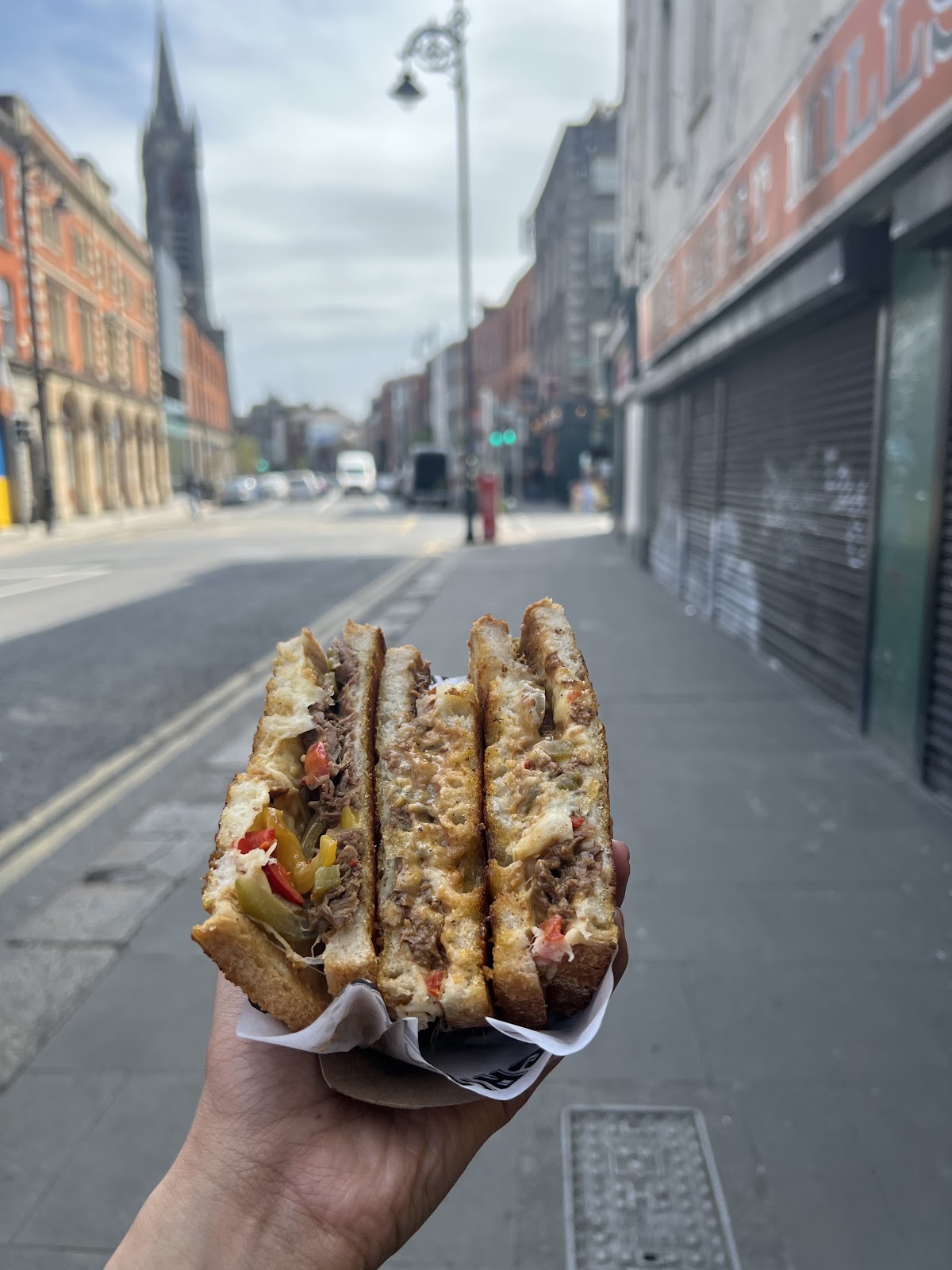
Some of the best global food tour destinations do their most persuasive work after sunset. Heat leaves the pavement, lanterns or neon come on, and the city starts eating outdoors. Smoke hangs lower, voices get louder, and suddenly dessert is not an ending but another stop halfway through the night.
These are the places where a street food guide earns their fee. Menus may be unwritten, stalls may move, and the smartest order is often a sequence rather than a single dish. If you loved the energy of Street Food City Breaks for 2026: 8 Places to Eat Deeply, this set goes wider and digs further into cities built for evening grazing.
Osaka
Osaka has long called itself Japan's kitchen, but the phrase only really clicks when you are there at night. Dotonbori glows like a carnival of steam, signage, and sizzling griddles. Takoyaki pans hiss, kushikatsu arrives one skewer at a time, and tiny bars tucked under railway tracks turn a quick snack into a five-stop crawl. Among global food tour destinations, Osaka might be the easiest city in the world to enjoy on pure appetite.
The smartest tours avoid treating the city as one long queue for famous signs. They use Namba and Ura-Namba for energy, Kuromon Market for ingredients and snackable seafood, and Shinsekai for a more old-school, slightly chaotic mood. Osaka rewards repeat bites: one dumpling here, one beer there, a crisp skewer, then a soft pancake folded with cabbage and pork.
- Try takoyaki in Namba or Dotonbori; a boat of six to eight usually costs 600 to 900 JPY
- Eat kushikatsu in Shinsekai, where skewers often run 150 to 250 JPY each and sauces are shared, never double-dipped
- Book at least one okonomiyaki stop in Umeda or Namba; expect 1,200 to 2,200 JPY for a solid version with seafood or pork
George Town, Penang
George Town may be the most generous city in Southeast Asia for travelers who want variety without friction. Chinese, Malay, Indian, Peranakan, and migrant influences all share the same humid air, often within a single hawker center. Among global food tour destinations, few places offer so much flavor at such low cost and such close range.
What makes Penang special is the confidence of its everyday dishes. Char kway teow is not trying to impress you; it is just superb when the wok is hot enough. Assam laksa tastes bright, fishy, sour, and herbal in a way that instantly places you near the sea and the spice route. A good walking food tour here is less about a strict schedule and more about pacing your appetite through alleys, coffee shops, and open-air stalls.
- Head to New Lane Hawker Centre after dark for oyster omelette, satay, and noodle dishes; most plates cost 8 to 18 MYR
- Find char kway teow on Kimberley Street or Lorong Selamat, where a well-made plate usually sits around 10 to 16 MYR
- Cool off with cendol at Penang Road Famous Teochew Chendul; dessert is often 5 to 8 MYR and worth the queue
Ho Chi Minh City
Ho Chi Minh City feeds you from the sidewalk up. Plastic stools, clipped herbs, baskets of greens, crushed ice, and motorbike blur are part of the meal. If your ideal city gives you strong coffee at dawn, bánh mì by midmorning, shellfish with beer after sunset, and a sweet soup before bed, this belongs high on your list of global food tour destinations.
District 1 is the obvious starting point, but the city becomes more interesting when guides lead you into District 3 for old apartment blocks and noodle shops, or District 4 for seafood and a rougher, more local feel. This is a street food guide city in the truest sense: addresses change, best stalls keep odd hours, and the difference between a good stop and a great one is often knowing which corner is busiest at 7:15 pm.
- Eat cơm tấm at Cơm Tấm Ba Ghiền, 84 Đặng Văn Ngữ, where hearty plates usually cost 70,000 to 110,000 VND
- Try bánh xèo at Bánh Xèo 46A, 46A Đinh Công Tráng, with portions around 90,000 to 140,000 VND
- End with snails and shellfish in District 4; ốc dishes often range from 60,000 to 150,000 VND depending on size and sauce
Culinary travel experiences rooted in heritage
The most memorable global food tour destinations do more than feed you well. They show how faith, empire, trade, colonization, agriculture, and migration end up in the pot. These are cities where guides can explain a whole social history through stock, spice, starch, and ritual.
They are also ideal for travelers who want more than grazing. In each of these cities, local dishes open into bigger stories: how seafood arrives before noon, why soups belong to morning rather than evening, why one neighborhood preserves a home-style specialty while another turns it into festival food.
Lima
Lima is sea air, acidity, and precision. Even before you sit down, the city feels tuned to appetite: market fruit stacked by color, ají peppers glowing under fluorescent lights, ceviche counters moving fast before the fish loses its edge. Among global food tour destinations, Lima is exceptional because it combines indigenous, Spanish, African, Chinese, and Japanese threads without flattening them into a trend.
The best tours do not stop at famous cevicherías. They move through Surquillo for produce and home cooking, into chifa territory for Chinese-Peruvian classics, and toward creole spots where stew, beans, and slow-cooked meats reveal a deeper daily rhythm. The culinary travel experiences here are strongest in the morning and early afternoon, when seafood and market life are freshest.
- Visit Mercado N.1 de Surquillo for produce, juices, potatoes, and tasting-friendly snack stalls
- Eat ceviche or tiradito for lunch, ideally before 2 pm; good casual plates often cost 30 to 65 PEN
- Try lomo saltado, causa, or chifa staples in Surquillo or Miraflores, where filling meals usually run 25 to 60 PEN
New Orleans
New Orleans is one of the few global food tour destinations where a dish can feel inseparable from a sound. Gumbo tastes richer after brass bands. Chargrilled oysters belong to humid evenings. A po'boy in your hand feels entirely natural when you are walking under iron balconies or crossing into the Bywater under a bright southern sky. The city is culinary memory with a backbeat.
What makes it tour-friendly is how closely cuisine and neighborhood identity still connect. The French Quarter gives you sweets and spectacle. Mid-City offers old-school poise and great bowls. Uptown and the Garden District carry restaurant history. The Bywater and Marigny loosen the collar and keep the drinks cold. A walking food tour works here because every block has atmosphere, but a guide is invaluable for separating tourist shorthand from the real thing.
- Order a roast beef or fried shrimp po'boy at Parkway Bakery and Tavern; most run 14 to 22 USD
- Try gumbo, jambalaya, or fried chicken at Dooky Chase's Restaurant or neighborhood creole spots, where mains often cost 18 to 35 USD
- Save room for beignets and café au lait at Café du Monde, around 5 to 8 USD for the classic order
Fès
Fès feels inward at first. You duck into shadowed lanes, hear metalwork echoing off stone, and catch sudden bursts of cumin, orange blossom, charcoal, and fresh bread. Then the medina opens, and you understand why it belongs among the most atmospheric global food tour destinations. This is a city of craft, patience, and highly specific culinary memory.
A good tour in Fès balances street energy with domestic tradition. You want market olives, msemen off the griddle, and sweets sold by weight, but you also want the slower, more layered food associated with Fassi cooking: delicate pastilla, savory-sweet contrasts, saffron perfumes, and dishes that still feel tied to family tables. Local dishes here are about refinement as much as abundance.
- Begin near Place Rcif or the medina produce lanes for olives, khlii, fresh bread, and morning sweets; quick bites can cost 5 to 20 MAD
- Look for msemen, harira, and brochettes in working neighborhoods rather than only on polished plazas; simple lunches often cost 35 to 70 MAD
- Reserve one longer meal for pastilla, tagine, or couscous in a riad restaurant such as Darori or The Ruined Garden, usually 120 to 280 MAD per person
Walking food tour cities for long lunches and bar crawls
Some places are built for lingering. You nibble, walk, stop for a vermouth or amber wine, talk, then repeat. These global food tour destinations are not about sheer volume; they are about cadence. Their best routes unfold over hours, not because distances are long but because the city keeps tempting you to stay one more round.
They are perfect if your dream trip involves smaller plates, strong neighborhood character, and the feeling that an entire day can pass between the first snack and the last glass without ever needing a taxi.
San Sebastián
San Sebastián can feel almost unfairly well designed for eating. The sea breeze freshens your appetite, the old town compresses bars into an easy crawl, and the standard of bread, anchovy, olive oil, and seasonal produce is so high that even a quick stop can feel memorable. Few global food tour destinations are better for travelers who like structure with freedom: your guide can suggest a route, but the city still invites detours.
The classic move is a pintxos crawl through Parte Vieja, but that only scratches the surface. Gros offers a slightly more local feel, and daytime market visits bring context to the tiny masterpieces later balanced on bar tops. This is the walking food tour city for people who like low-stakes abundance: one bite here, one there, and suddenly lunch has lasted four hours.
- Do a pintxos route through Parte Vieja, with stops like Ganbara, Borda Berri, La Cuchara de San Telmo, and Gandarias
- Budget about 3.50 to 7 EUR per pintxo and 2.50 to 4.50 EUR per small glass of txakoli or cider
- Finish with Basque cheesecake at La Viña or a seafood lunch along the harbor if you want a slower sit-down meal
Tbilisi
Tbilisi is one of the most underrated global food tour destinations for travelers who want generosity on the table and a sense of place in the glass. The city sits at the intersection of Europe, Asia, and the Caucasus, and it eats like a crossroads: dumplings, grilled meats, herb-heavy salads, cheese breads, walnut sauces, and natural wines poured with very little ceremony.
The city also has strong contrast in a small area. You can browse Dezerter Bazaar for churchkhela and pickles, move into old courtyards for khinkali, then finish in a wine bar in Sololaki or around Egnate Ninoshvili Street. A walking food tour works beautifully because every district offers a different tempo, from market bustle to long, toasting dinners that can easily become the highlight of the trip.
- Visit Dezerter Bazaar for spices, produce, cheeses, and preserved snacks before lunch
- Order khinkali by the dozen at neighborhood favorites; they usually cost 1 to 1.8 GEL each depending on filling
- Add adjaruli khachapuri, badrijani nigvzit, and amber wine in Sololaki or Vera; satisfying dinners often run 35 to 80 GEL per person
How to get there
One reason these cities shine as global food tour destinations is that they are logistically forgiving. You do not want to spend your first day of a food trip trapped in a transfer maze while the lunch market closes. The routes below focus on fast, practical arrivals that get you from plane, train, bus, or ferry to your first bite with minimal drama.
For multi-city trips, think in regional clusters. Pair Palermo with other southern Italian stops. Combine Osaka with Kyoto or Tokyo by rail. Link George Town with Kuala Lumpur, or San Sebastián with Bilbao. If you are heading to Asia or crossing multiple time zones before a tasting-heavy itinerary, Long-Haul Flight Comfort 2026: The Hour-by-Hour Plan is worth reading before you book the earliest market tour of your life.
| City | Main airport or rail hub | Fastest route to the food districts | Typical time and cost | Handy alternative |
|---|---|---|---|---|
| Mexico City | Benito Juárez International Airport, MEX | Metrobús Line 4 or authorized taxi to Centro, Roma, or Condesa | 30 to 60 min, about 30 MXN by bus or 250 to 350 MXN by taxi | From Puebla, ADO bus takes about 2 to 2.5 hours, roughly 260 to 380 MXN |
| Palermo | Falcone Borsellino Airport, PMO | Trinacria Express train to Palermo Centrale | 45 to 60 min, about 6.80 EUR | Taxi 35 to 50 min, usually 45 to 55 EUR; overnight ferries also arrive from Naples |
| Istanbul | Istanbul Airport, IST, or Sabiha Gökçen, SAW | Metro plus tram for central districts, or Havaist and Havabus coaches | 50 to 90 min, roughly 40 to 300 TRY depending on mode and distance | Fast ferries connect European and Asian sides once you are in town |
| Osaka | Kansai International Airport, KIX | Nankai Rapi:t to Namba | 38 to 45 min, about 1,450 JPY | Shinkansen from Tokyo to Shin-Osaka takes about 2.5 hours, usually around 14,700 JPY |
| George Town | Penang International Airport, PEN | Grab or taxi to George Town | 25 to 40 min, about 25 to 40 MYR | ETS train from Kuala Lumpur to Butterworth plus ferry takes roughly 4.5 to 5.5 hours total |
| Ho Chi Minh City | Tân Sơn Nhất International Airport, SGN | Taxi or ride-hail to District 1 or 3 | 25 to 50 min, about 180,000 to 250,000 VND | Public buses are cheaper, usually under 30,000 VND, but slower with luggage |
| Lima | Jorge Chávez International Airport, LIM | Taxi or app-based ride to Miraflores, Barranco, or Surquillo | 45 to 75 min, about 60 to 90 PEN | Long-distance buses connect coastal cities, but flying saves time |
| New Orleans | Louis Armstrong New Orleans International Airport, MSY | Taxi or ride-hail to French Quarter, CBD, or Marigny | 25 to 35 min, about 36 to 50 USD | Drive from Baton Rouge in about 1.5 hours or arrive by Amtrak from Chicago or Memphis connections |
| Fès | Fès-Saïss Airport, FEZ | Petit taxi or arranged transfer to the medina gates | 20 to 30 min, about 120 to 180 MAD | Train from Casablanca takes about 4.5 to 5 hours, often 150 to 250 MAD |
| San Sebastián | San Sebastián Airport, EAS | E21 bus to the center | 25 to 35 min, about 5.50 EUR | Bus from Bilbao Airport takes about 1 hour 15 minutes and usually costs 9 to 12 EUR |
| Tbilisi | Tbilisi International Airport, TBS | Bus 337 or taxi to Old Town, Vera, or Sololaki | 35 to 45 min, 1 GEL by bus or 30 to 50 GEL by taxi | Train from Batumi takes about 5 hours, usually 35 to 75 GEL |
Useful official links for transport and planning:
- Mexico City airport: https://www.aicm.com.mx/
- Palermo airport: https://www.gesap.it/
- Istanbul airport: https://www.istairport.com/en
- Osaka tourism: https://osaka-info.jp/en/
- Penang tourism: https://mypenang.gov.my/
- Lima airport: https://www.lima-airport.com/
- New Orleans tourism: https://www.neworleans.com/
- Tbilisi tourism: https://tbilisi.travel/
Things to do
The best food trips need breathing room between bites. A city reveals its appetite through ferries, river walks, music venues, bookstores, produce halls, and neighborhood detours just as much as through menus. Build pauses into your schedule and your palate stays sharp.
These activities work especially well in global food tour destinations because they connect directly to what you are eating. They are not generic sightseeing fillers. They help you understand the ingredients, geography, and social life behind the plate.
Here are eight food-smart things to do between meals:
- Mexico City, Centro Histórico and La Merced — Walk the streets around Mercado de la Merced and then drift toward Plaza de la Constitución to understand how trade routes and downtown scale shape the city's eating habits.
- Palermo, Ballarò to Quattro Canti — Follow the market lanes into the historic crossroads at Quattro Canti, then duck into baroque churches and side streets before a cannolo stop.
- Istanbul, Kadıköy ferry and spice route — Ride the ferry between Eminönü and Kadıköy at sunset, then walk back through the market streets for tea, pickles, and meze.
- Osaka, Hozenji Yokocho and Dotonbori canal — Do the bright chaos first, then slip into the stone lane of Hozenji Yokocho for a quieter, lantern-lit contrast.
- George Town, Armenian Street and Clan Jetties — See the street art and timber waterfront settlements, then return inland for hawker snacks and kopi.
- Ho Chi Minh City, Nguyễn Thiện Thuật apartments — Explore the old apartment blocks and alley cafés of District 3 for a more residential slice of urban food culture.
- New Orleans, Frenchmen Street — Pair your dinner crawl with live music in the Marigny; nowhere else fuses rhythm and appetite quite so naturally.
- San Sebastián, La Bretxa Market and the seafront — Visit the market, then walk the bay before starting a pintxos afternoon in Parte Vieja.
Where to stay
In the best global food tour destinations, where you sleep determines how much you eat. Stay too far from the action and you will skip the dawn pastry run or the late-night skewer stop. Stay in the wrong neighborhood and every tasting becomes a commute. For food-focused trips, centrality usually beats square footage.
The hotels below are not the only good options, but they place you near strong eating districts and work well for travelers who want to step outside and start tasting immediately.
| Budget tier | Hotel | Best area for eating | Typical 2026 price | Why it works |
|---|---|---|---|---|
| Budget | Casa Pepe Hostel Boutique, Mexico City | Centro Histórico | Dorms from about 25 to 45 USD, privates from 70 USD | Easy access to markets, taquerías, and historic walking routes |
| Budget | Chulia Heritage Hotel, George Town | UNESCO core zone | About 35 to 60 USD | Puts you within walking distance of Chulia Street, coffee shops, and hawker lanes |
| Budget | Fabrika Hostel and Suites, Tbilisi | Marjanishvili area | Dorms from about 15 to 30 USD, privates from 45 USD | Social base near wine bars, bakeries, and Dezerter Bazaar |
| Mid-range | Hotel Gracery Osaka Namba | Namba | About 110 to 170 USD | Excellent for Dotonbori, Kuromon Market, and late-night returns |
| Mid-range | Hotel Sultania Boutique Class, Istanbul | Sirkeci | About 140 to 220 USD | Walkable to ferries, spice shops, and classic Ottoman-era eating streets |
| Mid-range | Casa Andina Premium Miraflores, Lima | Miraflores | About 140 to 210 USD | Good base for Miraflores, Surquillo, and easy airport transfers |
| Luxury | Hotel Maria Cristina, San Sebastián | Near Parte Vieja and river | About 420 to 700 EUR | Grand address with quick access to the old town's bar crawl |
| Luxury | Four Seasons Hotel New Orleans | Canal Street edge of French Quarter and CBD | About 420 to 800 USD | Strong location for classic restaurants and a comfortable return after music-filled nights |
| Luxury | Raffles Istanbul | Beşiktaş | About 450 to 750 USD | Perfect if you want luxury plus quick access to both modern dining and Bosphorus views |
Where to eat
Choosing restaurants in global food tour destinations is less about chasing a single famous table and more about balancing formats. One market breakfast, one iconic institution, one humble counter, one street snack cluster, and one sit-down meal is usually the sweet spot for a two-day food trip. That rhythm lets local dishes feel grounded rather than overproduced.
The best rule is to keep one meal unbooked every day. It gives your guide, or your own nose, room to improvise. Maybe the squid looks better than expected in Palermo, maybe the oyster stall in Penang is extra lively, maybe a bakery in Tbilisi has just pulled fresh khachapuri from the oven. Flexibility is how great food cities reveal themselves.
A practical eating shortlist for these global food tour destinations:
- Mexico City — Los Cocuyos for suadero and cabeza tacos in Centro; El Vilsito for al pastor; Mercado de Coyoacán for tostadas and antojitos
- Palermo — Nni Franco U Vastiddaru for pani ca meusa; Ballarò stalls for panelle and arancine; Antica Focacceria San Francesco for a classic Sicilian lunch
- Istanbul — Namlı Gurme in Karaköy for breakfast abundance; Karaköy Güllüoğlu for baklava; Kanaat Lokantası in Üsküdar for old-school Turkish home-style dishes
- Osaka — Wanaka or Aizuya for takoyaki; Daruma in Shinsekai for kushikatsu; Ajinoya for okonomiyaki near Namba
- George Town — Sister Curry Mee for breakfast heat; Tek Sen for wok-cooked classics; New Lane Hawker Centre for a loose, satisfying dinner crawl
- Ho Chi Minh City — Cơm Tấm Ba Ghiền for broken rice; Bánh Xèo 46A for crispy pancakes; Ốc Đào for shellfish and beer-heavy evenings
- Lima — Mercado N.1 de Surquillo for market snacks; El Chinito for sandwiches; Isolina or a Miraflores cevichería for a deeper creole or seafood meal
- New Orleans — Parkway Bakery and Tavern for po'boys; Dooky Chase's Restaurant for creole classics; Café du Monde for a sugary reset
- Fès — Street grills and bread ovens near Place Rcif; Darori for polished Moroccan cooking; The Ruined Garden for a gentler medina lunch setting
- San Sebastián — Ganbara, Borda Berri, and La Cuchara de San Telmo for pintxos; La Viña for cheesecake; harbor restaurants for grilled fish
- Tbilisi — Mapshalia for Mingrelian flavors; Salobie Bia for beans and comfort dishes; Shavi Lomi for contemporary Georgian cooking
Signature local dishes worth building your route around:
- Mexico City — tacos al pastor, tlacoyos, tortas, esquites
- Palermo — arancine, panelle, sfincione, cannoli
- Istanbul — simit, balık ekmek, meze, baklava
- Osaka — takoyaki, kushikatsu, okonomiyaki
- George Town — char kway teow, assam laksa, cendol
- Ho Chi Minh City — cơm tấm, bánh xèo, ốc, bánh mì
- Lima — ceviche, lomo saltado, causa, anticuchos
- New Orleans — gumbo, po'boys, chargrilled oysters, beignets
- Fès — pastilla, harira, msemen, tagine
- San Sebastián — pintxos, txangurro, Basque cheesecake
- Tbilisi — khinkali, khachapuri, badrijani nigvzit, mtsvadi
Practical tips
Even the best global food tour destinations can disappoint if you arrive at the wrong hour, book too much, or ignore the local eating clock. Seafood cities often peak at lunch. Market cities need early starts. Bar-crawl cities do their best work late. The smartest food travelers plan around appetite, not only attractions.
Pack for comfort rather than style theater. Shoes matter more than jackets on most walking routes. Bring tissues, hand sanitizer, a portable battery, and enough room in your day bag for market snacks. In places with strong temperature swings, such as San Sebastián in spring or Tbilisi in autumn, layers are far more useful than heavy single pieces.
Best months and quick planning notes:
| City | Best months | Typical weather feel | Daily food-focused budget |
|---|---|---|---|
| Mexico City | February to May, October to November | Mild days, cool mornings, low rain outside summer | 45 to 110 USD |
| Palermo | April to June, September to October | Warm, bright, best for market walking | 55 to 140 USD |
| Istanbul | April to June, September to November | Pleasant for ferries and long neighborhood walks | 60 to 160 USD |
| Osaka | March to May, October to November | Comfortable, less oppressive than midsummer | 70 to 170 USD |
| George Town | December to February, June to August | Hot and humid year-round, carry water always | 35 to 95 USD |
| Ho Chi Minh City | December to March | Drier, easier for long evening walks | 35 to 100 USD |
| Lima | May to October for cooler dry days; seafood is year-round | Often gray but pleasant for eating | 50 to 130 USD |
| New Orleans | February to April, October to November | Warm, lively, sometimes humid | 80 to 190 USD |
| Fès | March to May, September to November | Best for medina wandering without intense heat | 35 to 100 USD |
| San Sebastián | May to July, September to October | Fresh and breezy, occasional rain | 90 to 220 USD |
| Tbilisi | May to June, September to October | Sunny with cool evenings | 40 to 110 USD |
More practical advice for a smoother food trip:
- Currency — Carry some cash even in card-friendly cities. Food markets and older stalls may still prefer cash in Mexico City, Palermo, Fès, and Tbilisi.
- Connectivity — eSIM coverage is widely available in most of these cities. Local SIMs remain cheap in Vietnam, Malaysia, Georgia, and Morocco.
- Customs — In Japan, do not walk and eat everywhere unless it is clearly acceptable. In Georgia, toasting at dinner can be formal and meaningful. In Morocco, dress modestly in medina areas.
- Safety — Crowded food districts attract pickpockets. Keep phones zipped away in Palermo, central Istanbul, and busy night markets. Use official taxis or reputable ride-hailing apps after dark.
- Timing — Ceviche in Lima is best earlier in the day. Pintxos in San Sebastián reward late afternoon and evening. Markets in Mexico City and Palermo are strongest in the morning.
- Packing — Bring a light rain layer for San Sebastián and Osaka in shoulder season, a refillable water bottle for Penang and Ho Chi Minh City, and breathable clothes for New Orleans humidity.
- Reservations — Book one or two anchor meals only. Leave space for discoveries. Overbooking is the fastest way to ruin a street food guide itinerary.
FAQ
Food-focused travelers usually ask the same few questions before they commit, and the answers can make or break the trip. The right city depends less on trendiness than on how you like to eat, how much walking you enjoy, and whether you prefer food markets, bars, or sit-down regional cooking.
Below are the questions that come up most often when comparing global food tour destinations.
Which city is best for a first food tour abroad?
Mexico City is arguably the easiest first pick if you want instant reward. It has strong guides, affordable tastings, dense neighborhoods, and unmistakable local dishes. San Sebastián is also excellent if you prefer a calmer, more polished walking food tour with clear neighborhoods and low-stress logistics.
Which city is best for street food on a small budget?
George Town and Ho Chi Minh City give extraordinary value. In both cities, you can build a varied evening from several dishes for the cost of one casual meal in Western Europe or the United States. They are ideal if your idea of the perfect trip is a flexible street food guide rather than a fixed restaurant schedule.
Which destinations are strongest for food markets?
Mexico City, Palermo, Istanbul, and Lima stand out for market lovers. Their food markets are central to daily life, not just visitor entertainment, and they give helpful context for everything you eat later. If markets are your main priority, plan early starts and avoid Mondays where closures can be more common.
Are guided tours worth it in cities that seem easy to explore alone?
Usually yes, especially in global food tour destinations where the best stalls have irregular hours, changing menus, or little signage in English. A guide saves time, interprets customs, and helps you order more strategically. Even confident solo eaters tend to taste more widely with local help.
How many days do you need in a food city?
Three full days is the sweet spot for most travelers. One day lets you get oriented, one day allows a deeper walking food tour or cooking class, and one day gives you time to revisit your favorite neighborhood. Four to five days is ideal in larger cities such as Mexico City, Istanbul, or Osaka.
What is the best season for culinary travel experiences?
Shoulder seasons usually win. Spring and autumn offer the most comfortable walking weather in many of these destinations, while winter works well in places such as New Orleans and parts of Southeast Asia. The best culinary travel experiences happen when you can move easily between neighborhoods without rushing back to the hotel for weather recovery.
The cities that stay with you are rarely the ones with the flashiest reservation. They are the ones where breakfast leads to a market, the market leads to a guide's favorite stall, and the stall leads to a neighborhood you never planned to love. That is the real promise of the best global food tour destinations: not just eating well, but understanding a place one bite, one street, and one conversation at a time.